Sign Up
School Account Sign Up

Lesson ID: 11433
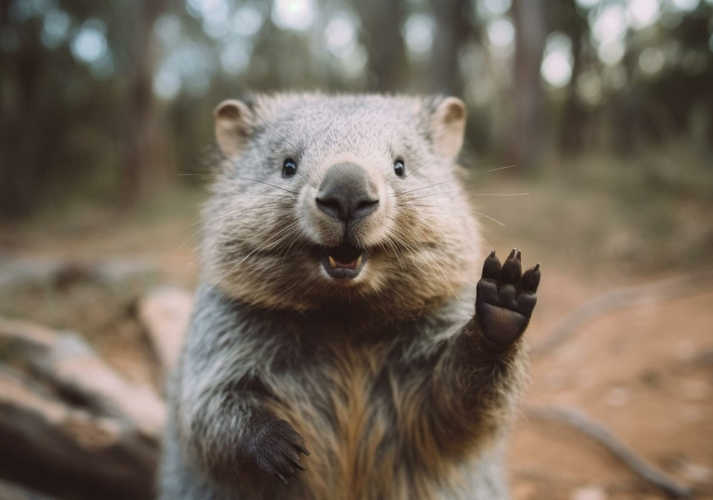
Meet the wombat—a square-shaped, tunnel-digging marsupial with a pouch that faces backward and a bottom built like a shield!



Built Like a Brick, Fast Like a Flashlight
Meet the wombat—an animal with a square nose, a cube-shaped behind, and legs so short they almost vanish under its round belly.
It might look like a furry footstool, but don’t be fooled! Wombats are powerful diggers, fast runners, and expert burrow-builders.
These small but mighty marsupials are full of surprises, and it's time to dig into their world.

What Is a Wombat?
Wombats are marsupials, which means they are mammals that carry and raise their babies in pouches. There are three types of wombats.
Common wombat
Southern hairy-nosed wombat
Northern hairy-nosed wombat (one of the most endangered mammals on the planet)
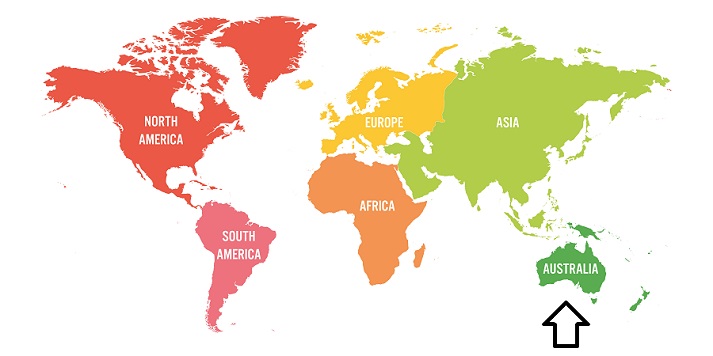
All wombats are native to Australia and nearby islands, where they live in grasslands and eucalyptus forests.
They are nocturnal, which means they are most active at night and sleep during the day.
Wombat Bodies: Short, Strong, and Square
Wombats are built low to the ground with chubby legs, square heads, and very strong jaws.

They have sharp claws for digging and rodent-like teeth that never stop growing. Their bones and muscles are extra tough—especially their rear ends, which are hard and flat like shields.
Wombats use their tough bottoms to block the entrances of their burrows and keep predators out.
Their fur color helps them blend into their surroundings, and their square-like build makes them look more like walking bricks than bouncy animals—but they can actually run up to 25 miles per hour for short bursts!
Wombat Homes and Diet
Wombats live in underground tunnels called burrows. These burrows are often long and twisting, with several entrances and chambers.
Some wombats live alone, while others may share parts of their tunnel systems.

Wombats are herbivores, which means they eat only plants. Their diet includes the following.
Grasses
Roots and tubers
Bark and shoots
Tree leaves
They get most of the water they need from the plants they eat, so they don’t have to drink often.
Joeys and Pouches
Wombat babies are called joeys, and they’re born about the size of a jellybean.
At birth, the joey crawls into its mother’s backward-facing pouch, where it stays warm and safe. The pouch faces backward so dirt doesn’t fall in while the mother is digging.
The joey...
lives in the pouch for about 6 to 10 months.
peeks out after about 6 months.
stays close to its mother until it’s about 12 to 15 months old.
Wombats usually have one baby every two years.

Conservation and Protection
While the common wombat is doing well, the northern hairy-nosed wombat is critically endangered. Fewer than 100 remain in the wild.
Conservation programs in Australia work to protect their habitats and increase their population through careful breeding, habitat restoration, and education.

Now that you’ve tunneled into the life of the wombat, it’s time to peek out of the burrow and see what you remember.
Head to the Got It? section for a review and a closer look at these amazing marsupials in action!

Supplies
Additional Resources




 FAVORITE
 Like
Like