Sign Up
School Account Sign Up

Lesson ID: 11288
Grab your passport and take a trip around the world to explore amazing grasslands, from chilly steppes to sunbaked savannas!




Welcome to the Global Grassland Tour!
Imagine traveling the world without leaving your seat! You hike through golden prairies, trek across sun-baked savannas, and spy zebras, kangaroos, and owls—all in one wild adventure.
That’s what this lesson is all about: exploring the wide, windy, grassy places that stretch across the earth’s surface.
Grasslands may look empty at first glance, but they’re bursting with life—and each one has its own story to tell.

What Is a Grassland?
Grasslands are areas of land where grasses are the main plants.
You won’t find thick forests or tall mountains here. Instead, you’ll see open space, scattered trees or shrubs, and sky that seems to go on forever.
There are two main types.
Temperate Grasslands – These grasslands have warm summers, cold winters, and rich soil. They grow in places like:
The Prairies of North America
The Pampas of South America
The Steppe of Eurasia
The Veldt of South Africa
Tropical Grasslands (Savannas) – These have warm weather all year, with rainy and dry seasons. They grow in:
Africa (home to famous savannas)
Parts of India, Australia, and South America
A Tour of World Grasslands
Take a quick tour of some famous grasslands and what makes them special!
The North American Prairie
Type: Temperate
Plants: Big bluestem, goldenrod, sunflowers
Animals: Bison, prairie dogs, badgers, hawks
Fun Fact: Prairie dog towns can stretch for miles and support tons of life!
The African Savanna
Type: Tropical
Plants: Tall grasses, baobab trees, acacia
Animals: Lions, elephants, zebras, giraffes
Fun Fact: Some African animals migrate hundreds of miles each year to find food and water.
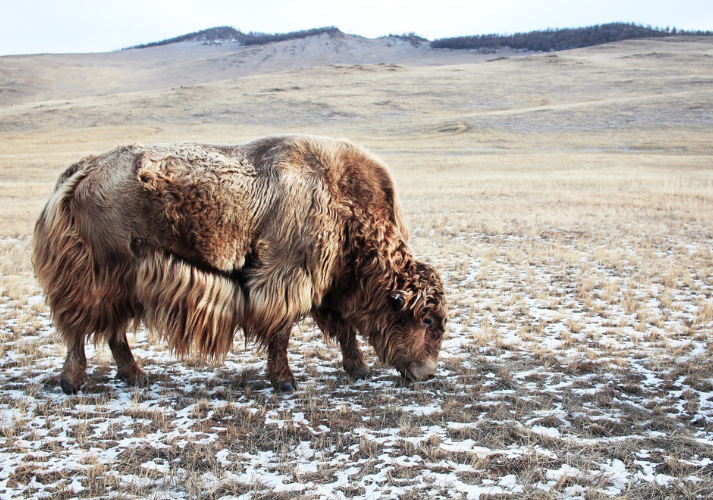
The Eurasian Steppe
Type: Temperate
Plants: Feather grass, sagebrush
Animals: Wild horses, foxes, eagles
Fun Fact: The steppe is known for its chilly winters and strong, dry winds.
The South American Pampas
Type: Temperate
Plants: Pampas grass, thistles
Animals: Armadillos, maned wolves, rheas (large flightless birds!)
Fun Fact: Pampas soil is so rich that it's used to grow tons of crops.
The Australian Savanna
Type: Tropical
Plants: Eucalyptus trees, spinifex grass
Animals: Kangaroos, dingoes, emus
Fun Fact: Fires are part of the natural cycle here and help new plants grow.
What Makes Each One Unique?
While all grasslands are open and grassy, they each have the following.
Different climates (hot and dry, cool and windy, rainy and sunny)
Different plants and animals that are adapted to live there
Different names based on where they are in the world
Grasslands cover about 25% of the earth’s land, and they are super important.
They help feed people and animals.
They store carbon and fight climate change.
They give homes to thousands of species.
Now that you’ve trekked across the planet’s prairies and plains, it’s time to show what you’ve learned!
Jump into a review and test your travel smarts in the Got It? section!

Supplies
Additional Resources


 FAVORITE
 Like
Like