Sign Up
School Account Sign Up

Lesson ID: 11272
Travel the world through forests! Explore how temperate forests grow and change on different continents.




The World’s Leafy Neighborhoods
They all have forests where leaves fall in autumn, snow lands in winter, flowers bloom in spring, and animals hustle in summer. These are temperate deciduous forests, and believe it or not, they can be found all around the globe!
Grab your explorer’s boots—because you’re about to take a trip through the most colorful, season-changing forests the world has to offer!
What Is a Temperate Deciduous Forest?
A temperate deciduous forest is a type of forest found in areas with four seasons—spring, summer, fall, and winter.
The word deciduous means the trees lose their leaves each year, usually in the fall. These forests are found in the temperate zone of the earth, where the climate is not too hot, not too cold, and has plenty of rain.
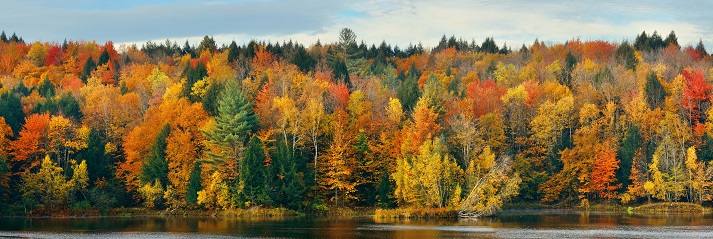
Trees in these forests (like oaks, maples, and beeches) are experts at adapting to seasonal changes. And they don’t live alone—each forest is filled with plants, animals, and people who depend on them.
Where Are These Forests Found?
Although this biome may look a little different in each country, temperate deciduous forests are found in five major regions.
North America (U.S. and Canada)
You’ll find them across the eastern United States and southern Canada, from New England to the Great Lakes.
Common trees: oak, hickory, maple, birch
Wildlife: black bears, raccoons, squirrels, woodpeckers

Europe (Central and Western Europe)
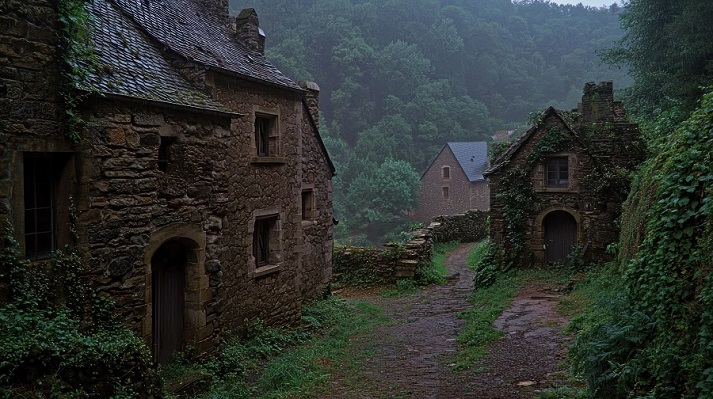
Stretching across France, Germany, Poland, and beyond, these forests are full of ancient woodlands and castle-side groves.
Common trees: beech, ash, elm, chestnut
Wildlife: red deer, wild boar, foxes, badgers
Asia (Eastern China, Korea, Japan)
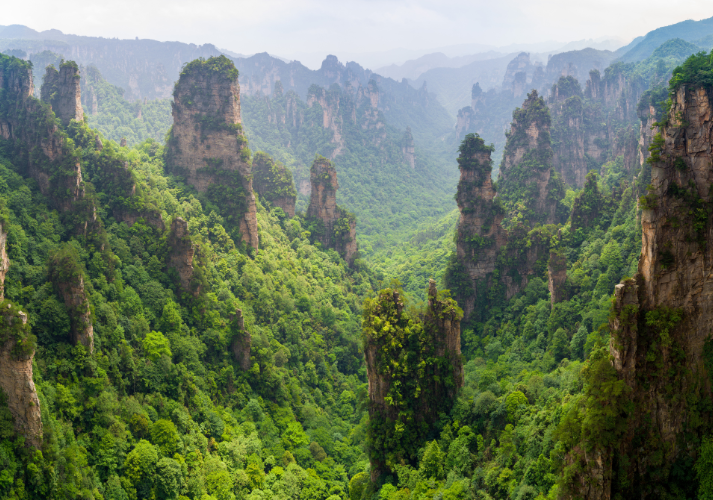
These forests grow in eastern Asia, including parts of China and Japan.
Common trees: ginkgo, cherry blossom, maple
Wildlife: giant salamanders, monkeys, Asiatic black bears
South America (Chile and Argentina)
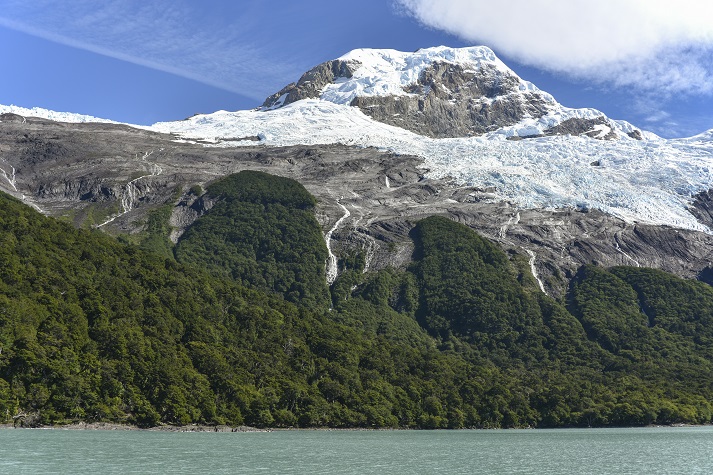
Found mostly in the southern tip of South America, these forests are known as the Valdivian forests.
Common trees: Southern beech, evergreen laurels
Wildlife: pumas, deer, owls, marsupials
Oceania (New Zealand)
While rare, some areas of New Zealand have temperate forests with deciduous traits.
Common trees: beech (Nothofagus), ferns
Wildlife: birds like the kea and tui, and insects found nowhere else
What Makes Each Region’s Forest Unique?
Even though they all have deciduous trees and four seasons, each forest is shaped by its climate, animals, people, and geography.
Here are some examples.
In Asia, cherry blossoms fill forests with pink in spring.
In South America, the forest grows along steep mountain slopes.
In Europe, forests are often near cities or farmlands, and some have been protected for centuries.
In North America, autumn leaf colors attract tourists from around the world!
How Are They Alike?
No matter where they are, all temperate deciduous forests share certain traits.
Four seasons that affect plant and animal behavior
Trees that lose their leaves
Animals that migrate, hibernate, or adapt
Rich soil and plenty of rainfall
Human impact—both helpful and harmful
A Living Biome, Shared Across the Globe
These forests connect countries, cultures, and creatures. A fox in France and a raccoon in Ohio may never meet, but they both live in leafy homes that change with the seasons.
Temperate deciduous forests are reminders that even in faraway places, nature follows familiar rhythms.
Ready to Explore?
You’ve just taken a world tour of some of the most beautiful forests on the planet—and learned how they change, grow, and survive through the seasons.
Now, test your explorer skills and see what you remember in the Got It? section!

Supplies
Additional Resources




 FAVORITE
 Like
Like