Sign Up
School Account Sign Up

Lesson ID: 11190
Discover how desert plants survive extreme heat and dryness! Learn about their amazing adaptations, from waxy leaves to water-storing stems, and see how these green survivors keep deserts alive.




A World Without Water? Think Again.
Imagine standing in the blazing sun, surrounded by endless sand and rock. The air is hot, the ground is dry, and there hasn’t been rain in months.
You might think nothing could survive here—but look closer. A prickly cactus, a tough little bush, even a scraggly tree might surprise you by thriving where almost everything else would shrivel up.
Desert plants are the ultimate survivors. They have evolved incredible ways to store water, avoid the heat, and make the most of every drop. From waxy coatings to underground roots, desert plants are proof that life finds a way—even when the odds are stacked against it.
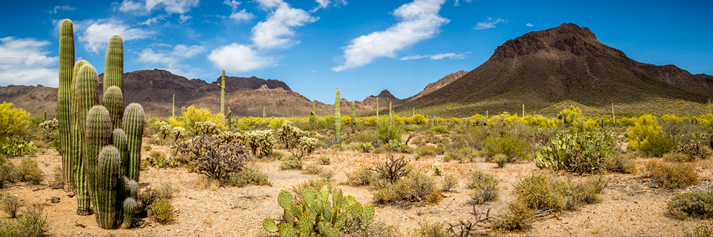
What Makes Desert Plants So Special?
Deserts may be harsh, but they’re not lifeless. The plants that live there have unique adaptations—special features that help them survive in extreme heat, dry soil, and strong winds.
Here are some of the most common strategies desert plants use.
Water Storage: Many desert plants, like cacti, store water in their thick stems or leaves.
Small or No Leaves: Tiny leaves or spines reduce the amount of water lost through evaporation.
Waxy Coatings: Many have shiny, wax-like surfaces that trap moisture inside.
Deep or Wide Roots: Some reach deep underground to find water, while others spread out to catch rain quickly when it falls.
Timing: Many bloom right after rainfall and go dormant (a kind of plant “nap”) when it’s too dry.
These clever adaptations mean that even in places where rain is rare, green life still pushes through the cracks.
Meet the Desert’s Toughest Plants
Take a look at some incredible plants found in the Sonoran Desert of Arizona—one of the most biologically rich deserts in the world.
Hedgehog Cactus – The Little Spiny Survivor
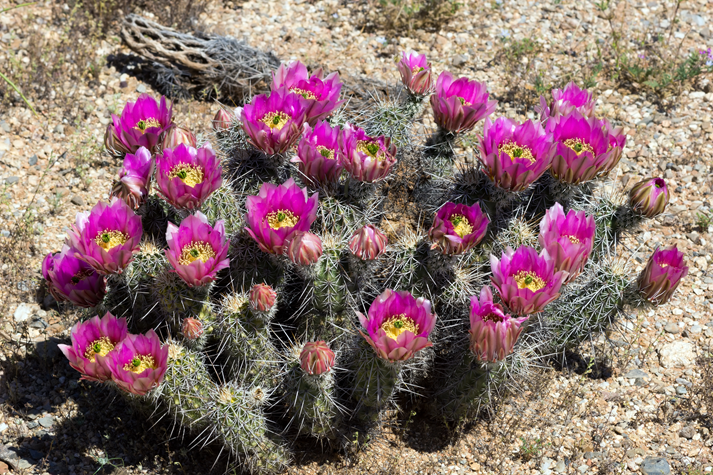
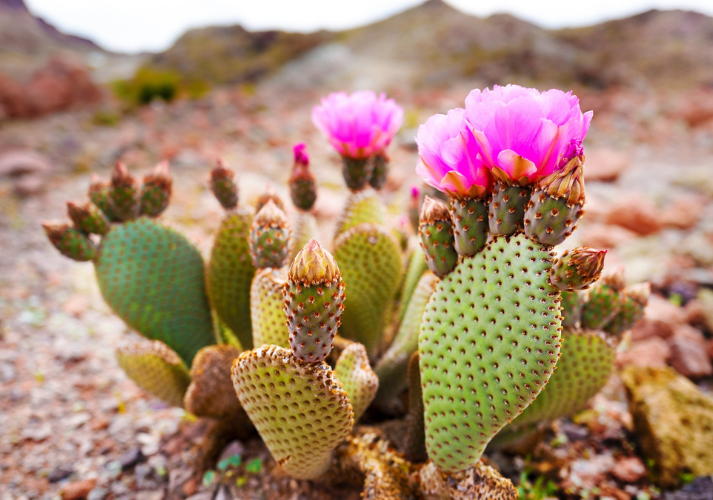
The Hedgehog cactus, also called the strawberry cactus, is small but mighty. Its bright pink cup-shaped flowers open in the morning and close at night.
The fruit it produces tastes a bit like strawberries and is eaten by birds, rodents, and even people. Its thick skin and spines help it keep precious water safe from the burning sun—and from thirsty animals looking for a snack.
Creosote Bush – The Desert’s Fragrance
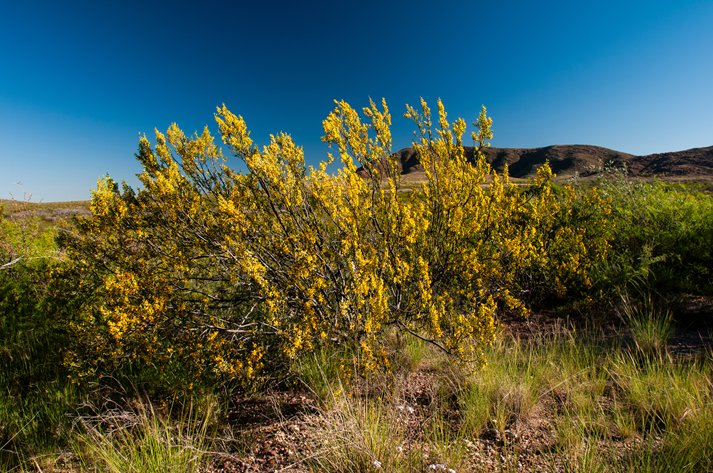
If you’ve ever smelled the desert after rain, you’ve met the Creosote bush. This tough shrub covers vast stretches of the desert and can live for hundreds of years!
Its tiny, waxy leaves are coated in resin that prevents water loss and gives it that famous “rain smell.” Because it uses so much groundwater, few other plants can grow too close to it.
Small animals use it as a shady hideout during the heat of the day.
Barrel Cactus – The Living Compass
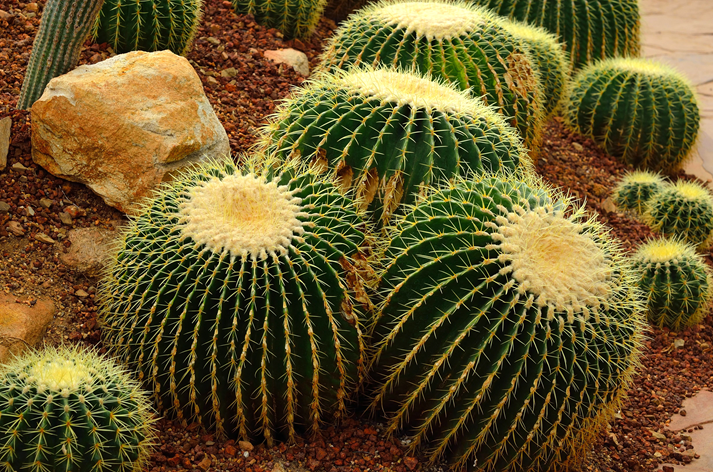
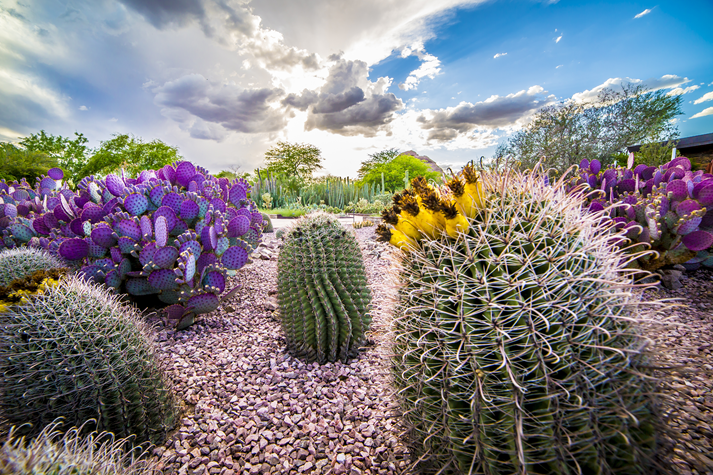
Round and ribbed, the Barrel cactus looks like a giant green barrel covered in spines. It’s also known as the compass cactus because it grows slightly tilted toward the south. This odd lean helps it avoid the harshest sunlight.
Barrel cacti can live more than 100 years, storing gallons of water inside their thick stems. Animals such as deer, javelinas, and birds enjoy its fruit and seeds.
Ocotillo – The Living Fence
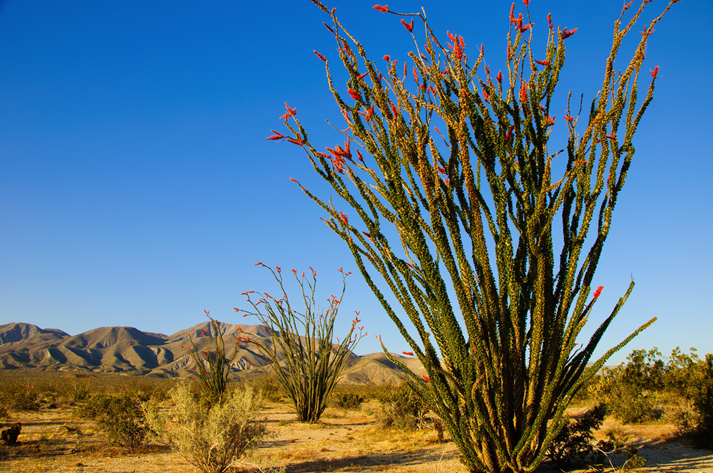
The Ocotillo looks like a bunch of tall, thorny sticks, but don’t be fooled—it’s not a cactus!
After rainfall, it quickly sprouts small green leaves and bright red flowers. These blooms attract hummingbirds and bees.
People have even used Ocotillo stems to build living fences—when the stems are planted in the ground, they can take root and grow!
Saguaro Cactus – The Giant of the Desert
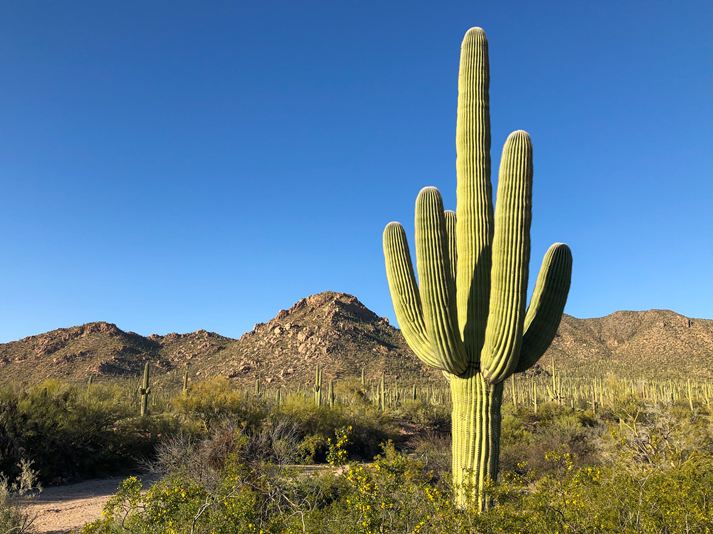
The Saguaro is the most famous cactus in the American Southwest. It can grow up to 70 feet tall and live for more than 150 years!
Young saguaros often begin life under a “nurse tree,” such as the Palo Verde, which provides shade and protection. As it grows, the cactus develops ribs that expand to store more water during the rainy season.
Its white blossoms are Arizona’s state flower, and its towering arms are home to birds like the Gila woodpecker and the elf owl.
Palo Verde Tree – The Green Giant
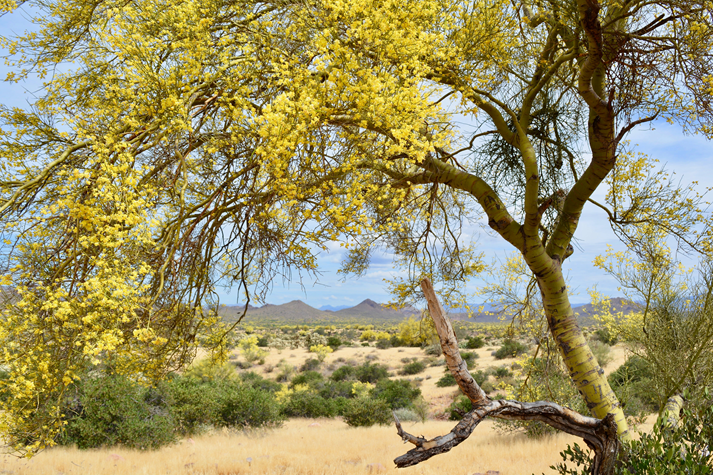
The Palo Verde, meaning “green stick” in Spanish, is Arizona’s state tree. Its bark is green because it performs photosynthesis—the process plants use to make food—even when it loses its leaves.
There are two main types: the Foothill Palo Verde and the Blue Palo Verde. Both provide much-needed shade to smaller plants and animals, and they often act as “nurse trees” for young saguaros.
Prickly Pear Cactus – The Edible Survivor
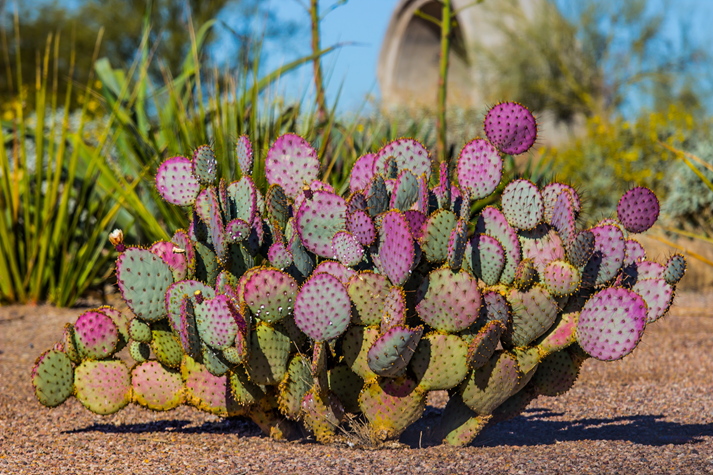
The Prickly Pear is a desert favorite. Its flat, paddle-shaped pads are actually stems that store water. The pads and fruits are edible and often used in candy, jellies, and even ice cream!
Its bright flowers attract bees and butterflies, and the plant’s thick skin helps it keep water during long dry spells.
Jojoba – Nature’s Oil Plant
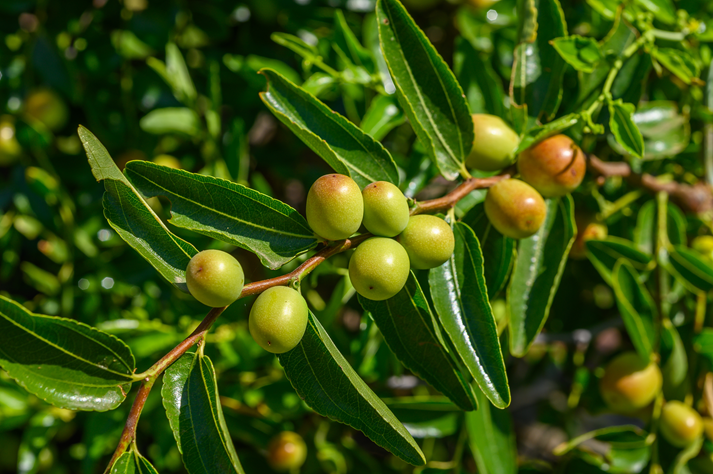
The Jojoba plant is a shrub that produces small nuts filled with a liquid wax known as jojoba oil. This oil is used in skin care, cooking, and even as a fuel!
Animals like rabbits, deer, and birds also eat its seeds and leaves. Jojoba is tough enough to survive years of drought, thanks to its deep roots that tap underground water.
Cholla Cactus – The “Jumping” Wonder
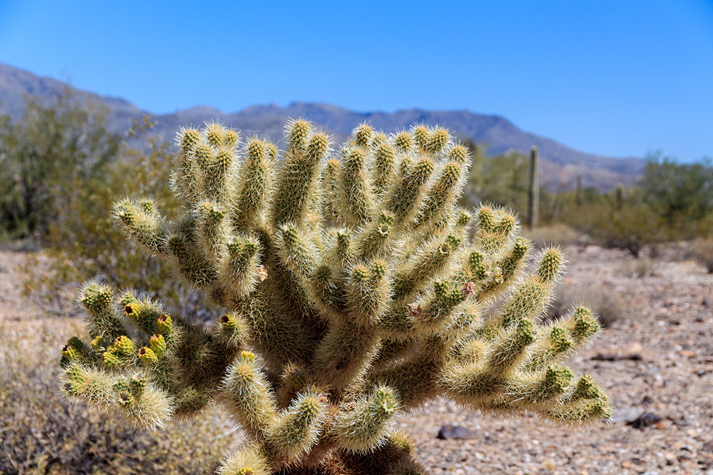
The Cholla cactus, also called the chain-fruit cholla, grows long chains of spiny fruit that can appear to “jump” onto you when brushed. Its spines detach easily, which helps the plant spread as the pieces take root elsewhere.
Despite its prickly reputation, chollas provide shelter for birds and small animals and produce flowers that bloom in shades of yellow and pink.
Working Together: The Desert Ecosystem
Desert plants are not just survivors—they’re engineers of the ecosystem. They provide food, shade, and shelter for animals, prevent soil erosion, and even help trap moisture.
Many work together: the Palo Verde protects baby saguaros, while the creosote bush shades the soil to keep it cooler.
Even in the harshest heat, the desert is full of cooperation and life—proof that balance and resilience exist everywhere on the earth.
Now that you’ve explored the amazing adaptations of desert plants, it’s time to test what you’ve learned.
In the Got It? section, you’ll identify plant survival strategies, explore how each one helps the desert ecosystem, and see which of these incredible plants you’d most want in your survival toolkit!

Supplies
Additional Resources


 FAVORITE
 Like
Like