Sign Up
School Account Sign Up

Lesson ID: 11157
Polish your personal narrative by fixing spelling, punctuation, and capitalization errors to make your story shine like a pro.




Shine It ‘Til It Sparkles
You’ve written, revised, and poured your heart into your story—now it’s time for the final polish!
Editing is like adding the last brushstrokes to a painting or tuning a guitar before the big performance. It’s the moment when your story stops being a rough draft and starts looking finished.
Even the best writers in the world make mistakes. But what makes them professionals is that they catch them before sharing their work.
Editing helps your story look clean, sound clear, and feel ready to share with confidence.

What Is Editing?
Editing is the step where you fix mistakes in your writing—like spelling, punctuation, capitalization, and grammar.
You’re not changing your story’s ideas anymore (that’s what revising was for). Instead, you’re making your writing easier to read and more enjoyable for your audience.
Think of editing as giving your writing a professional touch. You’re checking:
Spelling: Are your words spelled correctly?
Punctuation: Are your sentences properly finished and easy to follow?
Capitalization: Did you use capital letters in the right places?
These small details show that you take your work seriously—and they help your reader stay focused on your story instead of getting distracted by mistakes.
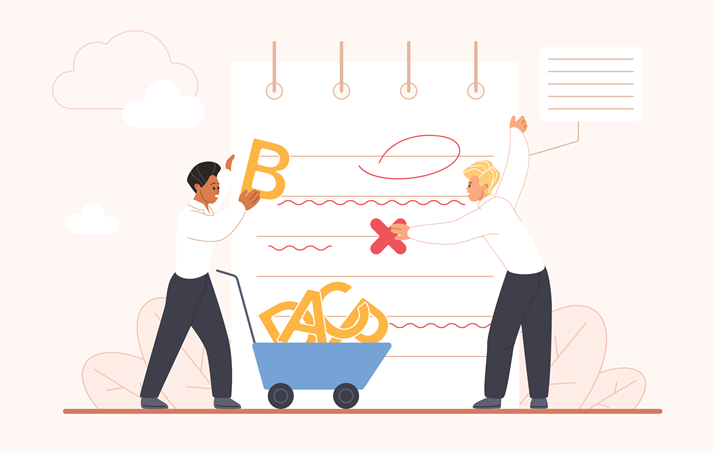
Step 1: Spot and Fix Spelling Slip-Ups
When you edit for spelling, you look for words that don’t look quite right and fix them using what you already know about word patterns and sounds.
Here’s how.
Check sight words. These are words you know by memory, like the, said, was, or because.
Stretch it out. Sound out tricky words to catch missing letters or word parts.
Use what you know. Think about patterns—like -ight in light or oo in school.
Example
Original: I was so exited to see my dog.
Edited: I was so excited to see my dog.
It’s a small fix that makes your writing look much more polished.
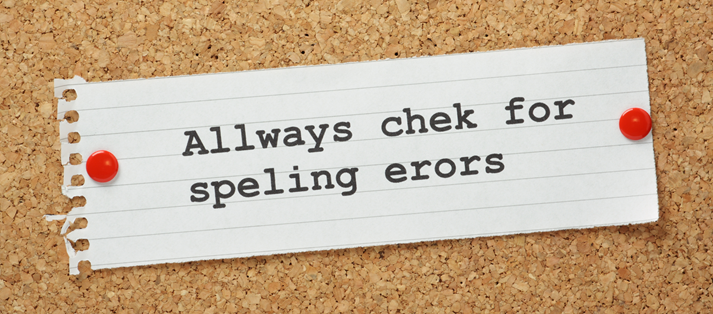
Step 2: Perfect Your Punctuation
Punctuation is what keeps your sentences clear. Without it, your story can feel like one big breathless run-on.
When you check punctuation, ask:
Does every sentence end with the right mark—period, question mark, or exclamation point?
Are there commas where readers need a pause?
Did I use quotation marks correctly around dialogue?
Example
Original: I couldn’t wait to see my dog I ran inside as fast as I could.
Edited: I couldn’t wait to see my dog! I ran inside as fast as I could.
That exclamation point shows your excitement and helps the reader feel it too.

Step 3: Clean Up Capitalization
Capitals tell readers what’s special or where new thoughts begin. When editing for capitalization, check that you:
Capitalize the first word of every sentence.
Capitalize the word “I” every time.
Capitalize proper nouns—names of people, specific places, or things.
Keep all other letters lowercase unless they start a sentence or are part of a name.
Example
Original: my sister and i went to new york city.
Edited: My sister and I went to New York City.
Capitals make your writing look professional and respectful of grammar rules.

Step 4: Read It Like an Editor
Once you’ve checked spelling, punctuation, and capitalization, it’s time to do one last thing—read your story aloud.
Because your ears catch what your eyes miss. If a sentence sounds strange, too long, or confusing, that’s a clue that something needs adjusting.
Try this editing trick used by real writers.
Read backward! Start from the last sentence and work your way up. It helps you focus on individual words instead of getting lost in the story.
When you finish, your story should look polished, sound natural, and be ready for readers to enjoy.

Editing vs. Revising: What’s the Difference?
If you’re wondering, “Didn’t I already fix my story?”—you’re right, but revising and editing are two different steps.
Revising is about improving ideas—adding details, removing extras, and replacing weak parts.
Editing is about improving mechanics—spelling, punctuation, capitalization, and grammar.
Revising makes your writing more powerful. Editing makes it more professional. Together, they create writing that’s both clear and compelling.
Quick Recap: The Editing Checklist
| x | Check for spelling mistakes. |
| x | Fix punctuation marks. |
| x | Use correct capitalization. |
| x | Read your story out loud. |
| x | Make final changes neatly on your paper or typed document. |
Now your story is clean, complete, and ready for the next big step—publishing!

You’ve learned how editing transforms your story from rough to refined—catching mistakes, cleaning up sentences, and making every word count.
In the Got It? section, you’ll practice your editing skills by fixing common writing errors and polishing short passages until they shine.

Supplies
Additional Resources








 FAVORITE
 Like
Like