Sign Up
School Account Sign Up

Lesson ID: 11057
Step into the past! Explore how historical fiction uses setting, clues, and imagination to make history feel real.




Maybe the sky turned green before a tornado. Maybe a character walked through an empty street with boarded-up windows. Maybe a candle flickered in a dark stone hallway, and you knew immediately that nobody was about to have a relaxing evening with snacks.
That is the power of setting.
In historical fiction, setting does more than tell you where characters are standing. It drops you into another time and place. It shows what people wore, ate, feared, believed, built, bought, carried, and hoped for.
It can make a dusty road, crowded ship, noisy factory, battlefield, farmhouse, castle, or city street feel real enough to step into.
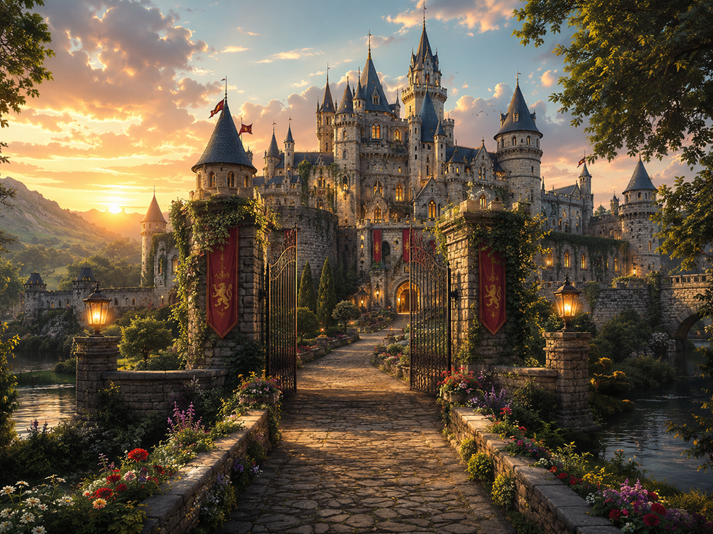
Historical fiction is not a time machine, but good historical fiction gets pretty close.
As you read this lesson, you will learn how writers use real history and imagined characters to create stories that feel believable, meaningful, and alive.
Historical fiction is a type of fiction set in a real time and place from the past.
That means historical fiction has two important parts.
First, it includes history. The setting, events, conflicts, customs, technology, laws, clothing, food, transportation, or social beliefs are based on a real historical period.
Second, it includes fiction. The main characters, conversations, and smaller events may be invented by the author.
Think of historical fiction as a bridge between facts and imagination. The author uses research as the foundation, then builds a story on top of it.
For example, a historical fiction story might be set during the American Revolution, the Great Depression, World War II, medieval Europe, ancient Egypt, the Civil Rights Movement, or another real historical period.
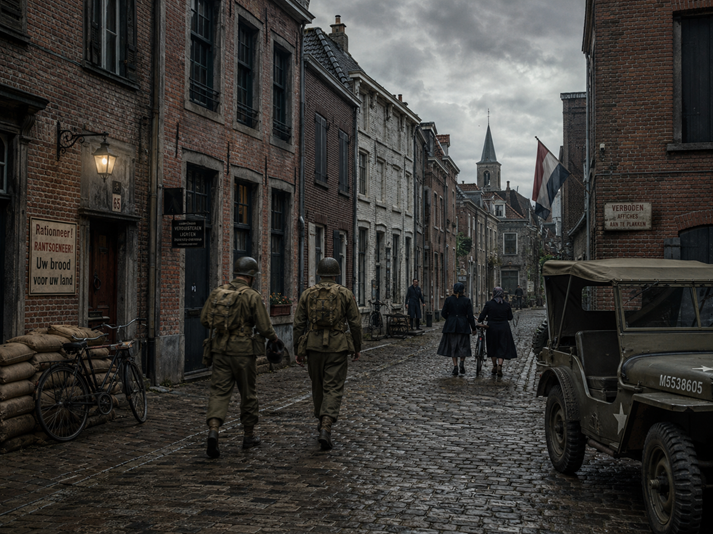
The story may include real events or famous people, but it usually follows invented characters who experience that time period in a personal way.
That personal view is what makes historical fiction powerful. A textbook might explain that a war, disaster, movement, or economic crisis happened.
Historical fiction can help you imagine what it may have felt like to live through it.
To understand historical fiction, pay close attention to the setting.
Setting includes the time, place, and social context of a story.
The time tells when the story happens. This could be a specific year, such as 1935, or a broader period, such as the Middle Ages. Time matters because people in different periods had different tools, rules, challenges, and opportunities.
A character living before electricity, cars, or cell phones cannot solve problems the same way you might solve them today.
The place tells where the story happens. This could be a country, city, village, farm, battlefield, home, school, ship, or street. Place matters because geography, weather, buildings, transportation, and local resources can shape what characters do.
A character living in a crowded city faces different problems than a character living in a mountain town, coastal village, or desert settlement.
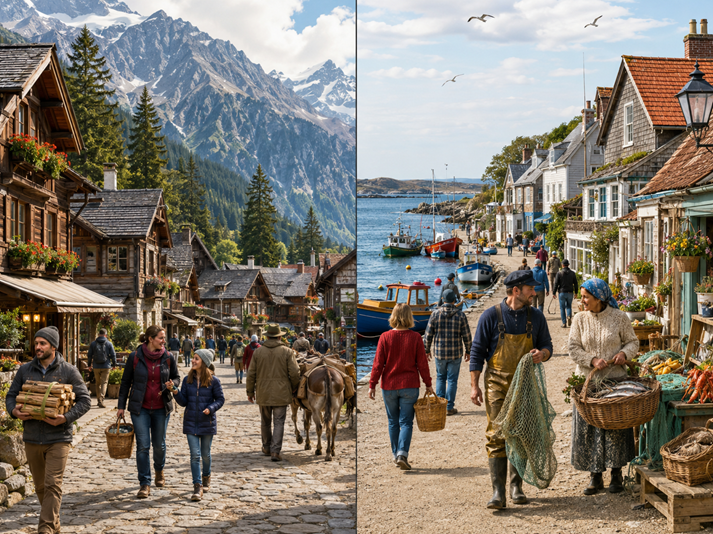
The social context tells what life was considered normal in that time and place. This includes customs, beliefs, class divisions, family expectations, jobs, education, laws, and social rules.
Social context can be tricky because people in the past often believed or accepted things that may seem unfair, strange, or surprising today. Reading historical fiction requires noticing those differences without assuming that every character had the same choices or knowledge people have now.
Strong historical fiction uses details to make the setting believable. These details may include what characters smell, hear, touch, taste, and see.
A writer might describe candle smoke, muddy roads, scratchy wool, crowded markets, clanging factory machines, ration cards, hand-sewn clothing, or the sound of horses on stone streets.
These details should not feel like random decorations tossed into the story like historical confetti. They should help you understand the characters, conflict, mood, or theme.
A detail about worn-out shoes might show poverty.
A detail about a locked gate might show danger or control.
A detail about a crowded train station might show fear, migration, or change.
A detail about a rule that limits what a character can do might reveal the social context of the time.
Historical fiction also depends on accuracy. Authors may invent characters and dialogue, but the world around those characters should fit the historical period.
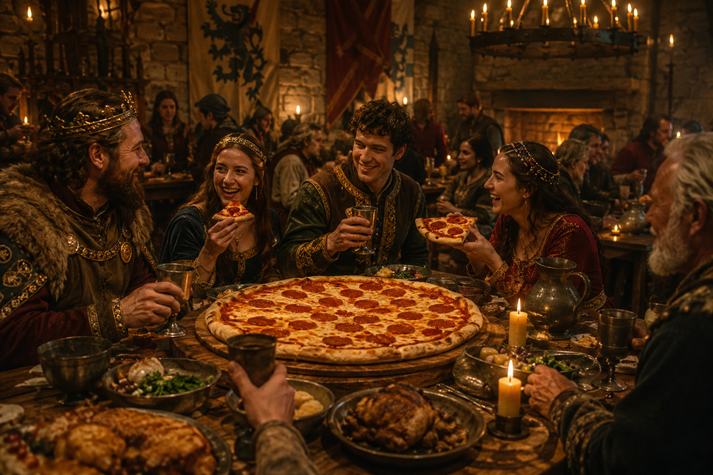
If a story is set in 1215, a character should not check a wristwatch, text a friend, or order pizza delivery. Nice try, medieval pepperoni fan.
As you read historical fiction, ask yourself these questions.
Historical fiction does not replace learning historical facts. Instead, it adds another layer.
It helps you imagine the human side of history: the fear, hope, confusion, courage, loss, humor, and ordinary daily life that people experienced in extraordinary times.
When you read historical fiction, you are not just asking, “What happened?”
You are also asking, “What might it have felt like to be there?”
Historical fiction works best when the past feels real and the characters feel human. As you read, notice how authors use details about time, place, and social context to pull you into the story.
Next, you will step into a historical setting yourself in the Got It? section.

Supplies


 FAVORITE
 Like
Like