Sign Up
School Account Sign Up

Lesson ID: 10846
Climate's changing—but why? Dig into the evidence, ask big questions, and discover what's really going on with our planet.




You’ve probably heard people talking about climate change—at school, in the news, or maybe even at home. Some say it’s the biggest challenge our planet has ever faced. Others argue it’s been exaggerated.
Climate change affects everything from weather patterns to wildlife to the price of your favorite snacks. But it’s also full of debate, data, and tough questions.
This lesson is your chance to dig into the science, explore different views, and decide what you think.
What Is Climate Change, Really?
Let’s start with the basics. The word climate describes long-term weather patterns in a certain area. That includes things like temperature, wind, rainfall, and more—not just over a few days, but across many years.
When scientists talk about global climate change, they mean changes to those long-term patterns all over the planet.
One type of climate change is global warming, which refers specifically to rising average temperatures on the earth.
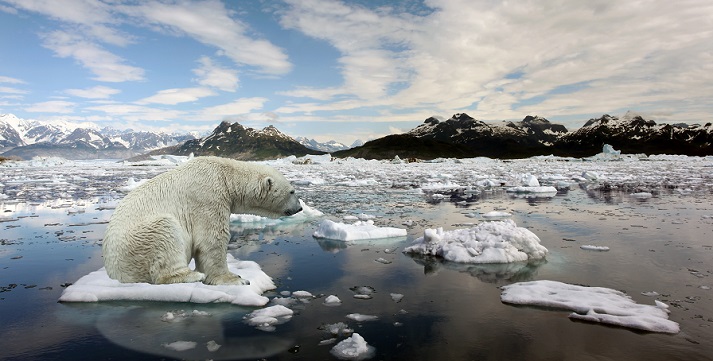
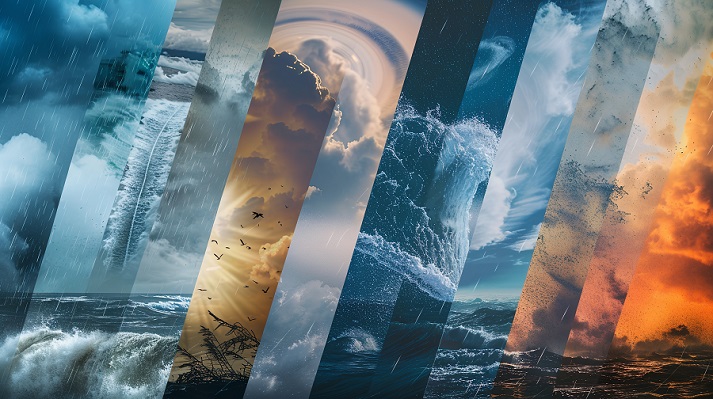
But climate change isn’t just about getting warmer. It can also mean more extreme weather, shifting rain patterns, and changes in sea level and ecosystems.
Let’s zoom in.
The Greenhouse Effect
Think of the earth like a greenhouse. Certain gases in our atmosphere—like carbon dioxide, methane, and water vapor—trap heat from the sun and keep the planet warm.
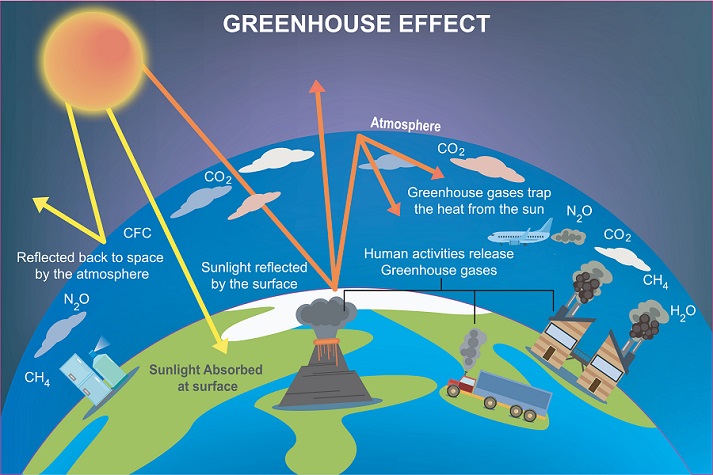
This natural process is called the greenhouse effect, and without it, the earth would be way too cold for life as we know it.
Scientists must ask themselves two questions.
What’s Causing the Changes?
This is where things get interesting—and where opinions start to split.
Many scientists say that the recent rise in the earth’s temperature is mainly caused by human activity. That includes burning fossil fuels (like coal, oil, and gas), cutting down forests, and using large amounts of energy in transportation and industry.
These actions release more greenhouse gases into the atmosphere, which traps more heat.
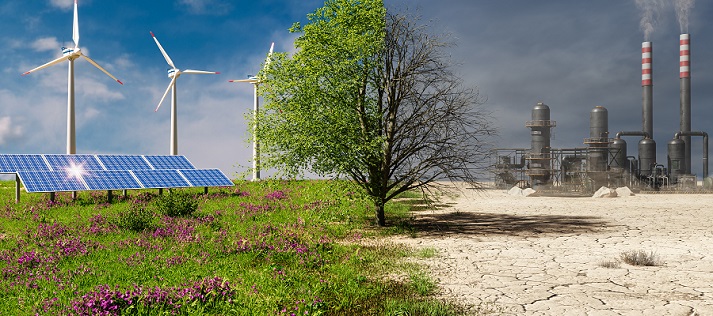
Other people believe these changes might just be part of a natural cycle.
The earth’s climate has always shifted over time. There have been ice ages and warm periods before, long before people were around to influence the planet. They argue that current warming trends could be part of that ongoing pattern.
Both sides agree on one thing: the earth’s climate is changing. The disagreement is about what’s causing it—and what we should do next.
Taking a Closer Look
To understand both viewpoints better, look at two different summaries of the issue.
Viewpoint 1: Human Activity Is the Main Cause
Scientists with organizations like NASA and the U.S. Environmental Protection Agency (EPA) have published the following data.
The earth’s average temperature has risen by about 1.8°F (1°C) over the past 100 years.
Most of the warming has happened in the last 40 years.
They believe greenhouse gas emissions from burning fossil fuels are the main reason.
They suggest reducing emissions, switching to renewable energy, and improving energy efficiency to help slow the trend.
A large number of climate scientists and global climate models support this view. These models are like super-powered calculators that help scientists test ideas about how the earth might change under different conditions.
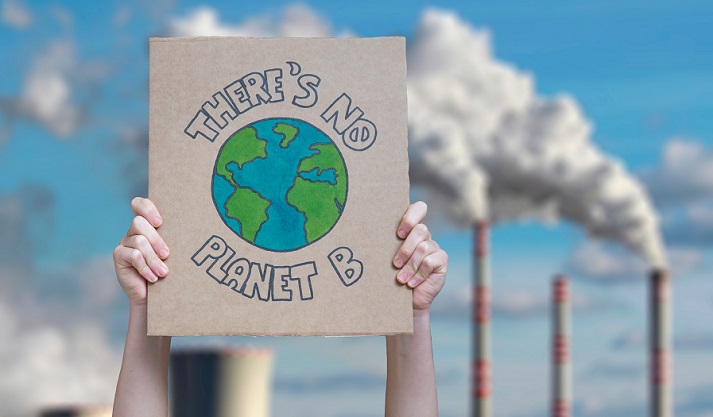
Viewpoint 2: Natural Cycles Might Be the Cause
Other people point to the earth’s long history of climate ups and downs. They ask these questions:
Could solar activity or volcanic eruptions affect the climate more than we realize?
Are the current climate models too limited to predict the future accurately?
Is some data misrepresented or misunderstood due to political influence or media bias?
One example often discussed is Climategate, a controversy in which leaked emails between scientists raised concerns about how climate data was being shared and interpreted.
Some people say this shook their trust in the process. Others say the emails were taken out of context and don’t change the overall science.
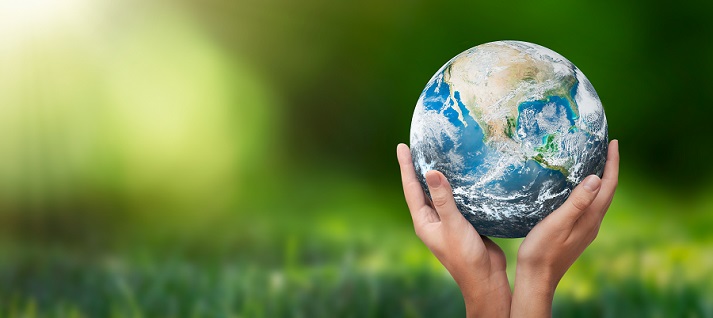
So… What Do You Think?
This isn’t about choosing sides. It’s about learning how science works, asking questions, looking at evidence, and understanding that science is a process, not a final answer.
You’ll hear many voices on this issue, so your best tool is curiosity.
Get ready to test what you’ve learned in the Got It? section!

Supplies




 FAVORITE
 Like
Like