Sign Up
School Account Sign Up

Lesson ID: 10725
Explore how culture shapes your daily life and the world around you through fun activities and creative projects.




Think about your daily life. Maybe you greet people with a handshake or a wave.
Maybe your family eats dinner at a certain time. Maybe you celebrate holidays, listen to certain music, or wear certain styles of clothing.
None of those choices is random. They are part of your culture.

What Is Culture, Really?
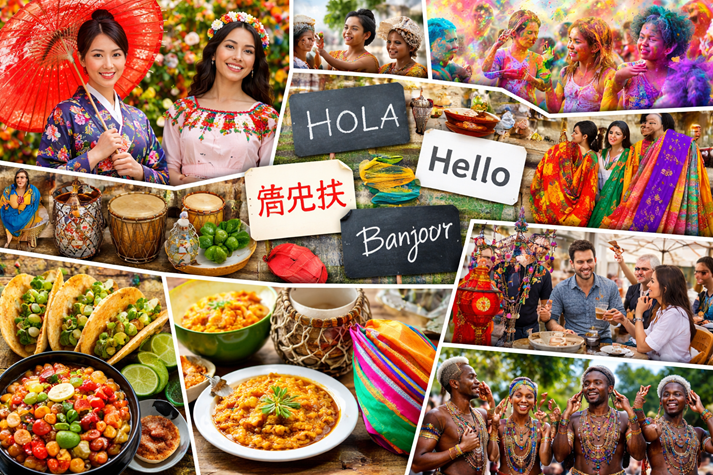
Culture is the way a group of people lives. It includes what people believe, how they behave, what they value, and how they express themselves.
Culture shows up in:
Culture is learned, not inherited. You are not born knowing how to celebrate holidays or greet people—you learn those things from your family, community, and environment.
Culture is also shared. When people in a group follow similar patterns of behavior, those patterns become part of their culture.
And here’s the important part: culture is always changing. New technology, ideas, and experiences can shape how people live over time.
How Culture Shapes Everyday Life
Culture influences decisions you might not even notice.
For example:
In some places, teens hang out in malls. In others, they spend more time outdoors in town centers.
Some cultures eat dinner early in the evening. Others eat much later at night.
Some people value independence, while others focus more on family and community.
Even something as simple as “free time” can look different across cultures.
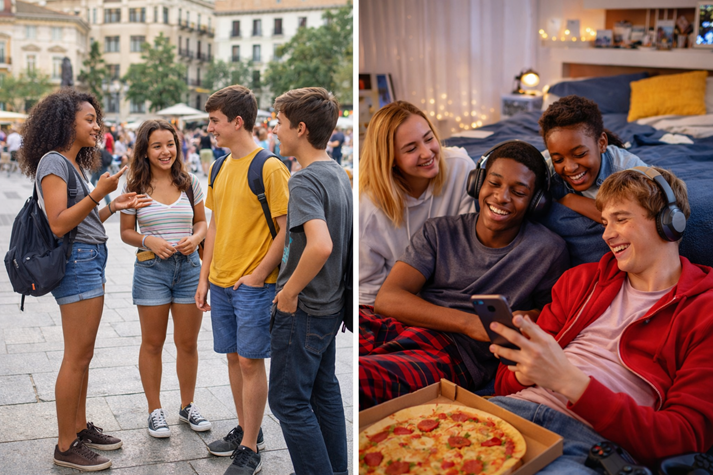
In Spain, for example, many teenagers spend time outside walking, talking, and socializing in public spaces. Daily schedules are often more relaxed, and social life happens in parks, plazas, and city centers.
In other places, teens might spend more time at home, online, or in structured activities like sports teams or clubs.
Culture Around the World
No two cultures are exactly the same—but many share common ideas.
Here are a few real-world examples.
Teen Life in Different Countries
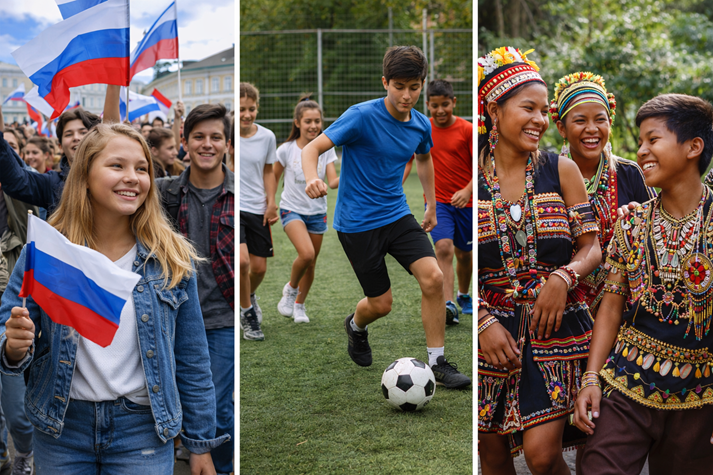
In Russia, some teenagers enjoy global trends like music, fashion, and technology. At the same time, many also feel a strong sense of national pride and connection to their country’s history. This shows how culture can mix global influences with local identity.
In Spain, teens often enjoy outdoor activities, festivals, sports, and social gatherings. Being outside and connecting with others plays a big role in daily life.
In many communities around the world, including Indigenous groups in places like the Philippines, culture is deeply connected to traditions, clothing, and shared values.
Young people often take pride in their heritage, learning traditional skills, wearing cultural clothing, and participating in community events.
These examples show something important: people may have similar interests, but their culture shapes how those interests are expressed.
Key Ideas You Need to Know
Culture includes beliefs, behaviors, and traditions shared by a group of people.
Cultural traits are the specific actions or habits people regularly practice, like eating certain foods or celebrating certain holidays.
Cultural regions are areas where people share similar cultural traits. A single country can have multiple cultural regions, and some cultural regions cross country borders.
Cultural diversity means that many different cultures exist in the same place. This diversity adds variety and new ideas to communities.
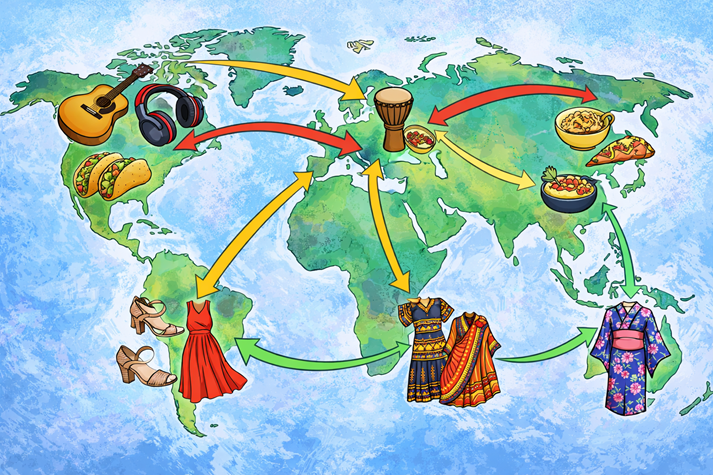
Cultural diffusion is the spread of ideas and traits from one culture to another. This happens through travel, technology, media, and trade.
Think about how music, food, or fashion trends spread across the world—that’s cultural diffusion in action.
Why Culture Matters
Understanding culture helps you:
It also helps you understand yourself better. Your habits, preferences, and beliefs are shaped by your culture—even if you’ve never thought about it before.
And here’s the twist: your culture is not the “default.” It’s just one of many ways people live.
That realization is the first step to thinking like a global citizen.
Ready to Try It Out?
Now that you understand what culture is and how it shapes people’s lives, it’s time to put that knowledge into action.
Up next, you will explore examples, compare cultures, and see how well you can recognize cultural traits in the real world.

Supplies


 FAVORITE
 Like
Like