Sign Up
School Account Sign Up




Step Into the Middle Ages!
Close your eyes and imagine this.
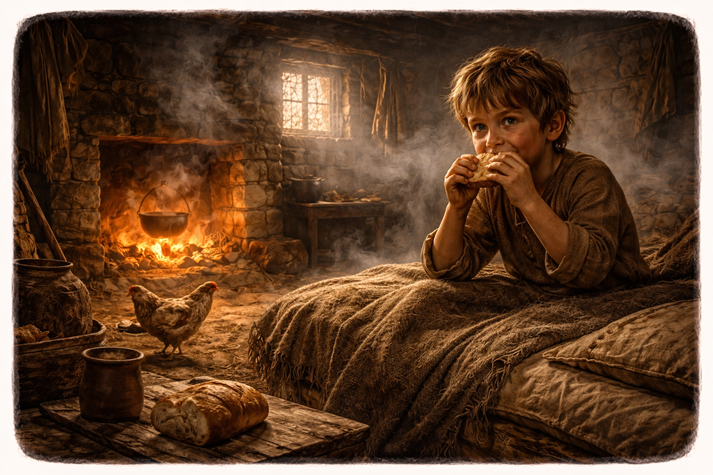
You wake up in a small, dark house. A fire crackles, but smoke fills the room. A chicken might be walking nearby. You eat bread for breakfast. No fork. No spoon. Just your hands.
Welcome to the Middle Ages!
What Were the Middle Ages?
The Middle Ages happened a long time ago, after the Roman Empire fell apart.
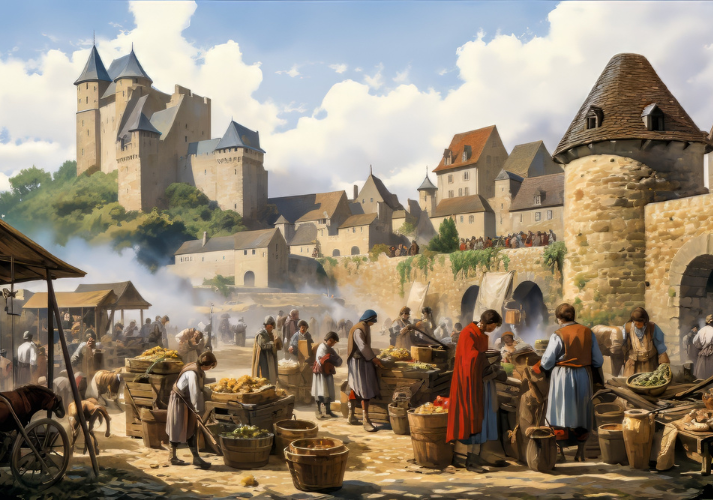
Big empires broke into smaller lands. Kings ruled these lands. Castles, knights, and kingdoms became part of everyday life.
This time lasted about 1,000 years, from around 500 to 1500.
People lived very different lives depending on who they were.
Two Main Groups of People
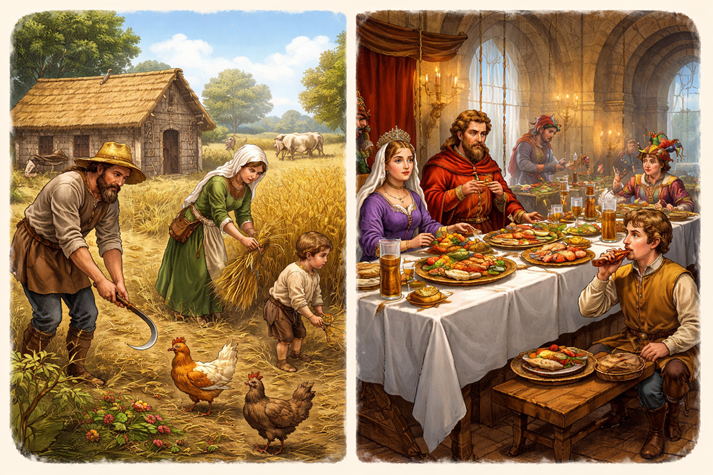
Most people were peasants.
Peasants were farmers. They worked hard every day growing food. They lived in small homes and had simple lives.
A small group was nobles.
Nobles were rich. They lived in castles or large homes. They had more food, nicer clothes, and more choices.
What Did People Eat?
Food depended on how much money you had.
Peasants ate:
Nobles ate:
Most people did not drink plain water because it could make them sick. They often drank watered-down beer or wine instead.
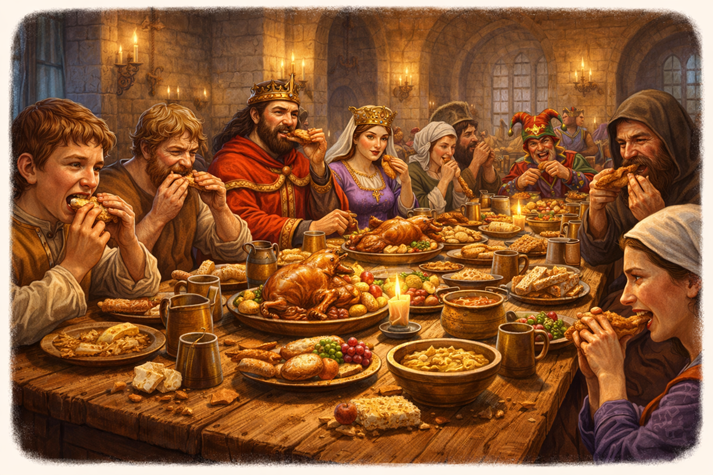
There were no forks yet. People ate with their hands or knives. Meals could get messy.
What Was Daily Life Like?
Life was busy and often hard.
In the countryside:
In towns:
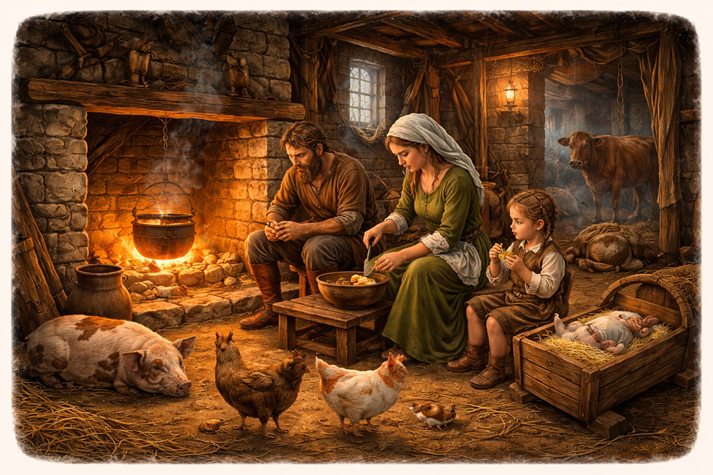
Homes were small. Many people slept in the same room. There was no electricity, no running water, and very little comfort.
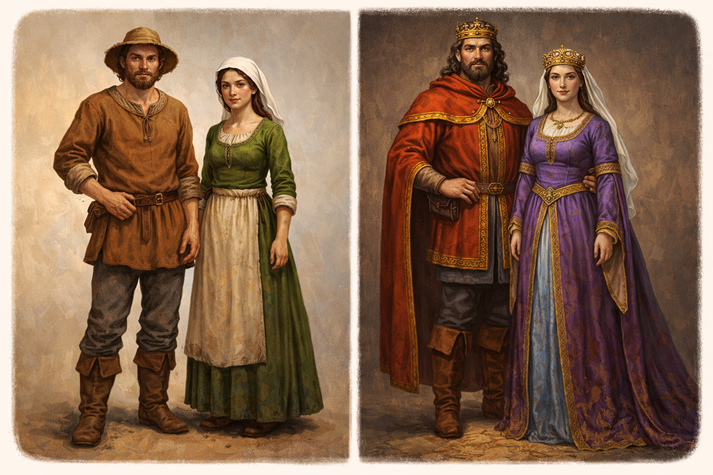
What Did People Wear?
Clothes also showed who you were.
Peasants wore:
Nobles wore:
There were even laws about who could wear certain clothes!
What About School?
Most children did not go to school.
Learning looked very different from school today.
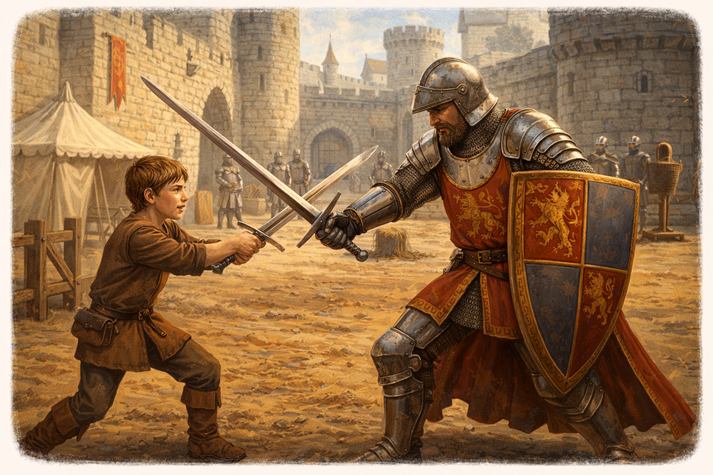
Knights and Training
Some boys trained to become knights.
Not all children became knights, but it was an important role in this time.
One More Thing to Know
Life in the Middle Ages was not always easy.
But this time also shaped the world in many important ways.
Ready to Try It Yourself?
Now you know what life was like in the Middle Ages. You learned about food, homes, clothing, and daily life.
Next, it is time to practice what you learned and see how much you remember!

Supplies


 FAVORITE
 Like
Like