Sign Up
School Account Sign Up

Lesson ID: 10461
From stone carvings to smartphones, discover how humans learned to record voices, ideas, and memories—and why your story matters too.




Your Voice in History
Imagine a world where nothing is recorded. No videos of the moon landing. No speeches from Martin Luther King Jr. No diary from Anne Frank.
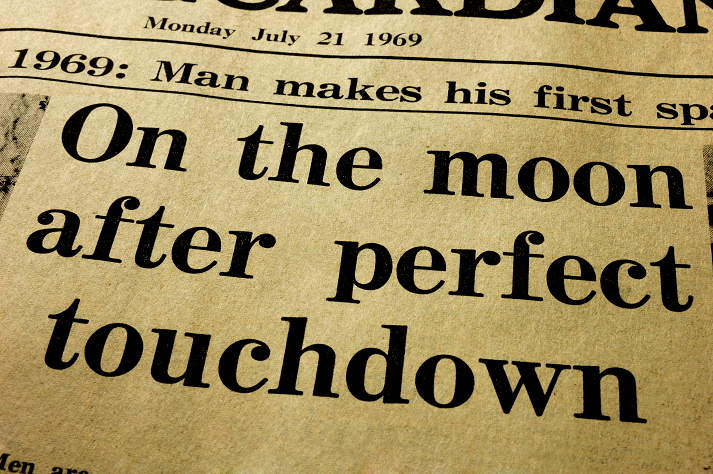
Without records, history becomes a puzzle with missing pieces. Every story, every idea, every memory that wasn’t written down or recorded is like smoke—gone the moment it appears.
That’s why humans have always looked for ways to capture life, from scratching symbols into cave walls to using powerful apps on our phones today.
Recording is more than remembering; it’s preserving human experience for the future.
From Stone to Sound
Thousands of years ago, people carved stories into stone, clay, and bone. Think of hieroglyphs in Egypt or cuneiform tablets in Mesopotamia—early “hard drives” that could last for thousands of years.
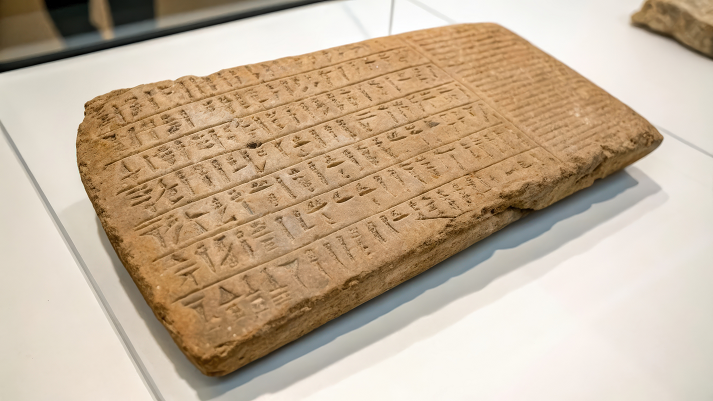
These records told of kings, wars, trade, and even jokes. But they weren’t personal. The voices of ordinary people were left out.
As time passed, materials changed. Papyrus, parchment, and paper made it easier to write, and suddenly letters, books, and journals carried the ideas of poets, scientists, and families across centuries.
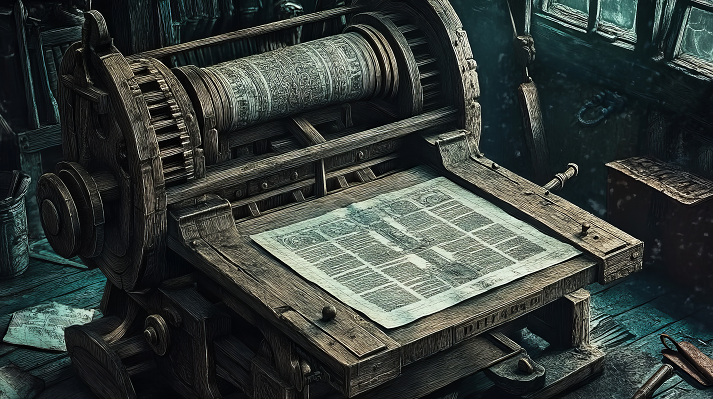
Printing presses sped things up, spreading words to more people than ever before.
The Rise of Sound and Film
In the 19th century, a revolutionary invention emerged: the phonograph. For the first time, human voices could be captured and played back.
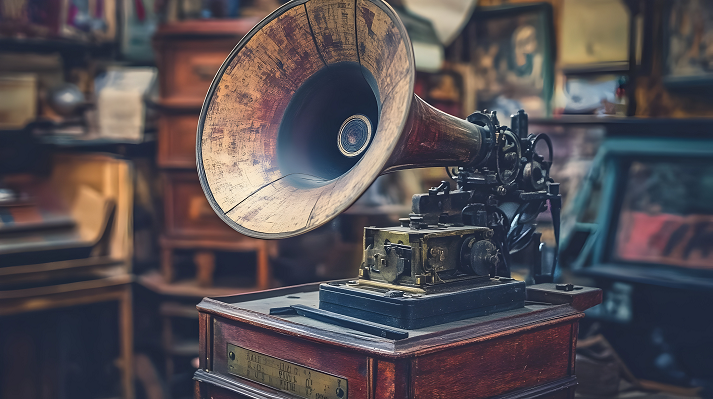
Imagine hearing someone laugh in 1888—the same way they did that day!
Soon after came photography and motion pictures, freezing not just words but faces, gestures, and entire events.
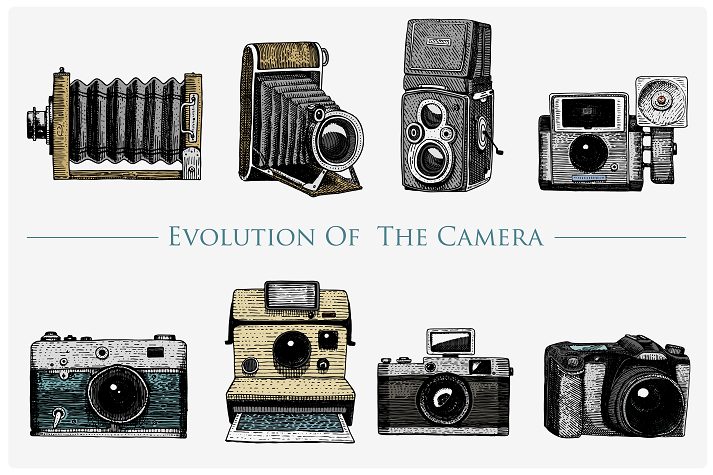
Fast-forward to the 20th century: radio, television, and video cameras made it possible to experience world events almost as they happened.
Crowds gathered around radios during World War II. Families watched the Beatles live on TV. The moon landing in 1969 wasn’t just written about—it was seen and heard by millions.

Everyone’s Story Matters
Here’s the exciting part: recording history is no longer limited to famous leaders, scientists, or athletes.
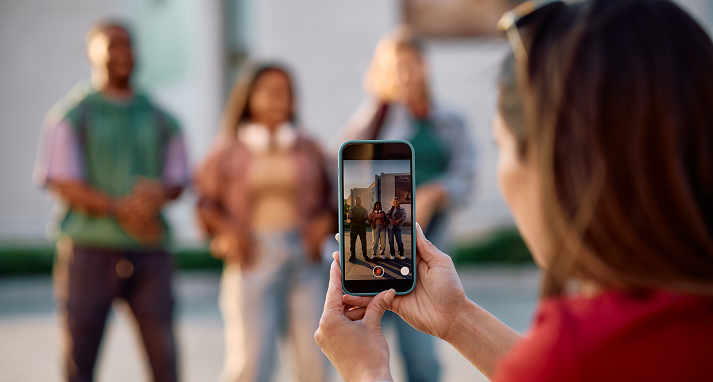
Technology puts the power of recording in everyone’s hands. Smartphones and apps allow anyone to document a story, an idea, or a memory.

StoryCorps, for example, created a movement to record everyday conversations. A child interviewing a grandparent, a couple sharing memories, or a worker describing their life—all of these voices are preserved in the Library of Congress.
This means the “uncelebrated” finally get celebrated. The people who built train stations, raised families, or simply lived ordinary but meaningful lives can have their voices heard forever.
Recording = Remembering + Sharing
When you record, you’re not just saving facts. You’re capturing emotions, perspectives, and humanity itself.
Listening to someone’s story can make you feel connected to them—even across decades or centuries. In this way, recording history is also about empathy: honoring the people who came before and leaving a gift for those who come after.

Moving Forward
Recording history has changed dramatically—from carvings in stone to the swipe of a smartphone screen—but the purpose has always been the same: to make sure voices are not lost.
You have the same power today that kings and scribes once guarded closely. Your stories and the stories around you matter, and recording them makes history richer and more complete.

Next, head to the Got It? section to practice what you’ve learned and see how well you can recognize the ways recording has evolved.

Supplies


 FAVORITE
 Like
Like