Sign Up
School Account Sign Up

Lesson ID: 10406
Step into ancient Rome through mosaics, inventions, and primary sources, then bring history to life with creative projects.




Imagine You’re in Ancient Rome…
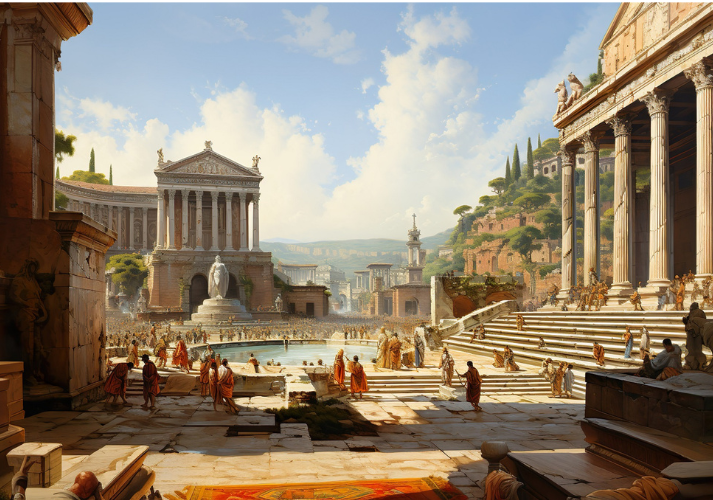
Picture this: streets buzzing with merchants selling olives and bread, soldiers marching with shiny armor, children running across stone-paved roads, and buildings taller and grander than anything you’ve ever seen.
Welcome to Rome—the empire that grew from a tiny village on the Tiber River into one of the greatest powers the world has ever known!
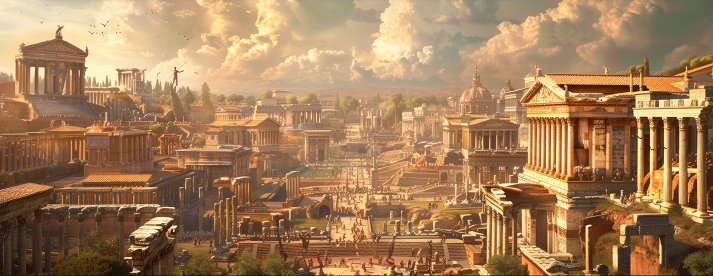
From Village to Empire
At first, Rome was only a small settlement on seven hills. But victory after victory turned it into the mighty Roman Empire.
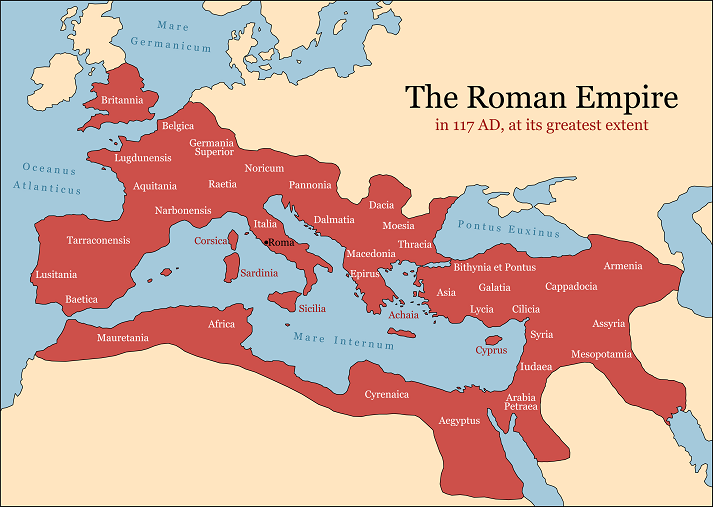
The Romans spread across Europe, North Africa, and Asia, ruling lands far from home. They brought new gods, a new language (Latin), and new laws.
Their generals were celebrated as heroes, remembered for their bravery and clever strategies. Rome became known as the capital of the world, and its legacy still shapes your life today.
Roman Brains and Building Power
Romans weren’t just tough fighters—they were amazing problem solvers. They invented and perfected things we still use.
Concrete and Arches – which let them build giant structures like the Colosseum and aqueducts.
Roads – strong, straight, and designed to last; some are still around today.
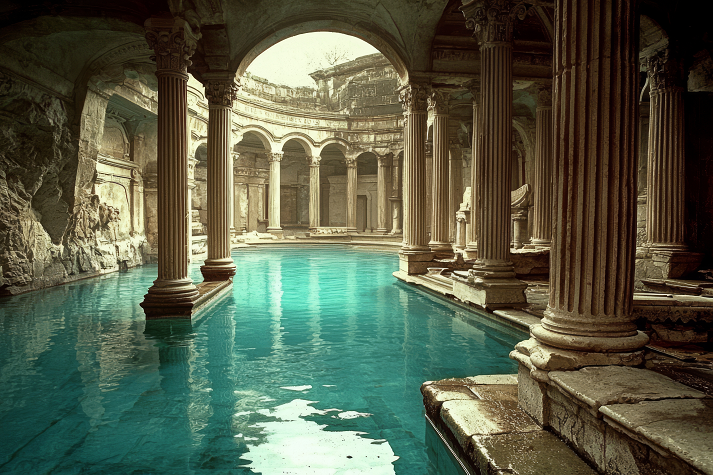
Public Baths and Aqueducts – clean water and plumbing systems that improved daily life.
Each of these innovations made Rome stronger and connected people across its empire.
Roman Voices in Stone
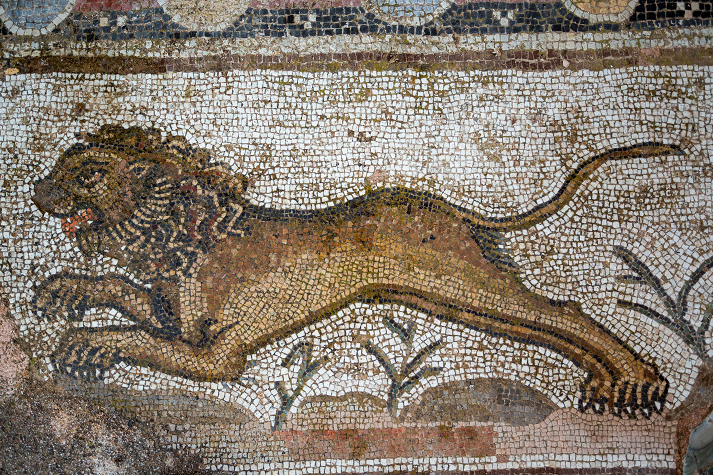
The Romans also loved art that told stories. One of their favorite styles was mosaics—pictures made from thousands of tiny stones or tiles called tesserae.
Mosaics decorated floors, walls, and even ceilings. They showed scenes of animals, battles, gods, and everyday life.
Because they were waterproof and long-lasting, mosaics give us incredible clues about Roman life.
Some even had funny messages, like a mosaic in Pompeii that read, “Beware of the Dog!”
Why Primary Sources Matter
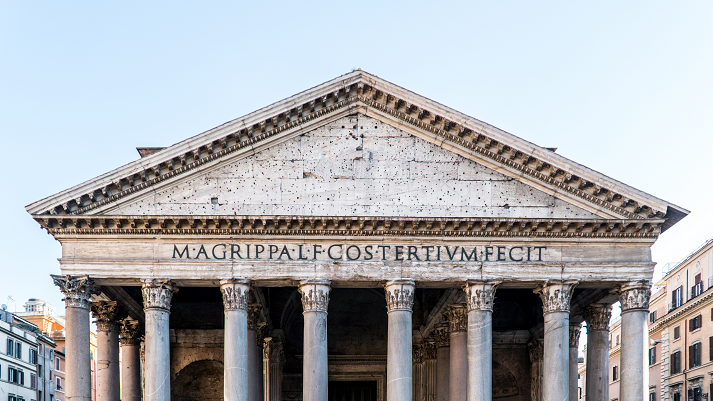
A primary source is a piece of evidence from the past, created by people who lived during that time. Roman mosaics, buildings like the Colosseum, and writings carved into stone are all primary sources.
They don’t just tell us what happened—they show us how Romans saw their world. That’s like a time machine built out of art, language, and inventions.
You and Rome
Believe it or not, Rome still touches your daily life. Every time you cross a bridge, follow road signs, use running water, or look at a courthouse, you’re experiencing Roman ideas.
Even words you speak come from Latin—the language of Rome.
Now that you’ve stepped into the world of Rome through its art and innovations, it’s your turn to explore.
In the Got It? section, you’ll get to practice identifying Roman ideas and uncover how they connect to your own life today.

Supplies


 FAVORITE
 Like
Like