Sign Up
School Account Sign Up

Lesson ID: 10401
Discover how snowflakes form and why they have six sides. Then create paper snowflakes, draw hexagons, and explore nature’s amazing winter patterns.




A Snowflake Surprise
Snow falls from the sky in winter. It looks soft and simple. But each tiny snowflake is a small piece of nature’s art.
Look closely at snow one day. Tiny shapes fall from the clouds. Each one has patterns and lines that look like a design. Scientists study snowflakes and find something amazing: almost every snowflake has a special shape, and no two are exactly the same.

Snow is a type of precipitation. Precipitation means water that falls from clouds. Rain, snow, sleet, and hail are all kinds of precipitation. Different weather conditions make different kinds of precipitation.
Some places on Earth get lots of snow. Mountains and cold regions often have snowy winters. Other places stay warm all year and never see snow at all.
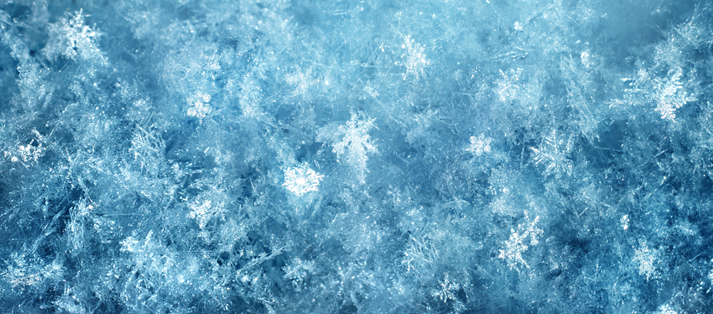
How Snowflakes Begin
A snowflake starts high in the sky inside a cloud.
Clouds hold tiny drops of water. When the air becomes very cold, the water freezes. The frozen water forms tiny ice crystals. These crystals begin to stick together.
When more frozen water joins the crystal, it grows larger and larger. The growing crystal becomes a snowflake.
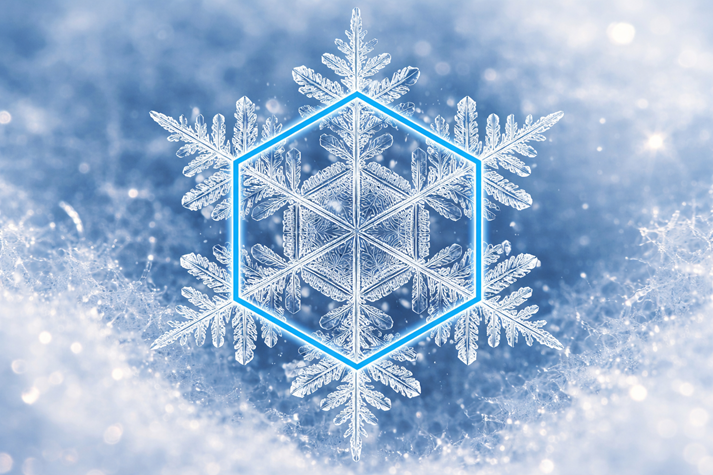
Most snowflakes start with a special shape called a hexagon.
A hexagon is a shape with six sides.
The Shape of Snow
Snow crystals grow in six directions because of how water freezes. That is why snowflakes often have six points or six sides.
As the snowflake falls through the cloud, it keeps growing. Temperature, wind, and the amount of water in the air all affect how it grows.
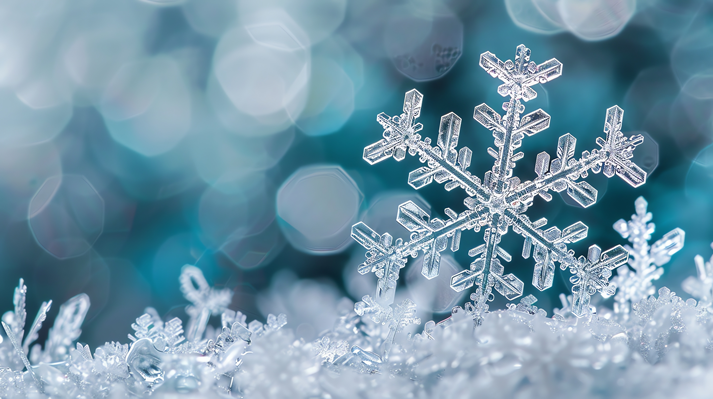
Some snowflakes grow thin branches that spread out like tiny trees. These branching snowflakes are called dendrites. Many people think these look like the classic snowflake shape seen in pictures.
Scientists have discovered more than 30 types of snow crystal shapes. Even though they all start with six sides, the final designs can look very different.
That is one reason snowflakes are so special. As they fall through the sky, their paths and weather conditions change. Because of this, it is extremely unlikely that two snowflakes grow in exactly the same way.
Snowflakes and Honeycombs
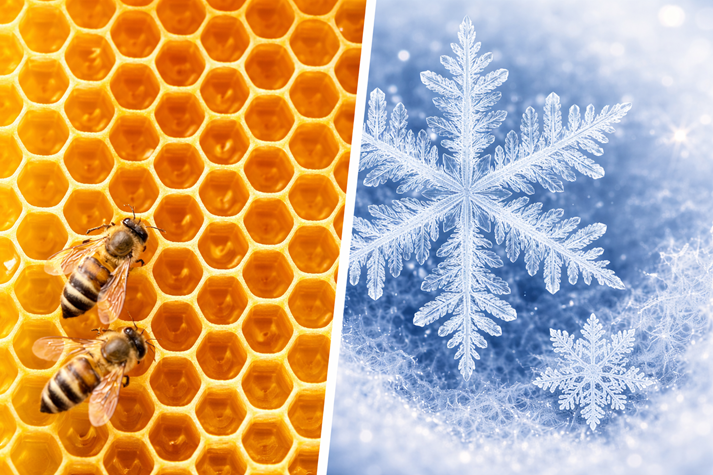
A honeycomb from a beehive has a shape that may look familiar. Each cell in a honeycomb is also a hexagon.
Both honeycombs and snowflakes use the hexagon shape. This six-sided shape appears often in nature because it fits together neatly and forms strong patterns.
Nature loves patterns, and snowflakes are one of its most beautiful examples.
You now know how snowflakes form, why they have six sides, and why every snowflake can look a little different. Next, it is time to explore these ideas and practice what you learned.

Supplies



 FAVORITE
 Like
Like