Sign Up
School Account Sign Up

Lesson ID: 10389
Turn your real-life memories into an exciting story using details, small moments, and your own voice!




Your story matters more than you think
Picture this: You walk into a room, and someone says, “Tell me about a time you will never forget.”

Every person has stories worth telling. Your life is full of moments that are funny, exciting, surprising, or even a little scary. Those moments can become a powerful personal narrative.
What Exactly Is a Personal Narrative?
A personal narrative is a true story about something that really happened to you. You are the main character, and you tell the story using your own voice.
Here is what makes a strong personal narrative.
You write in the first person. That means you use words like I, me, and my.
The story is true. It really happened in your life.
The people and events are real.
You include details that help the reader see, hear, and feel what happened.
The events happen in order, like a timeline.
Your story has a beginning, middle, and end.
You can include dialogue that shows what people said, using quotation marks.
That sounds like a lot, but here is the secret: you already know how to do this. You tell stories all the time.
Think about this example.
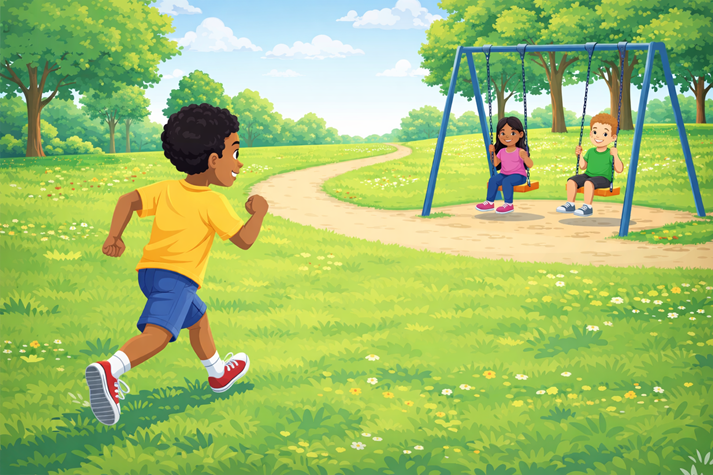
Instead of saying: “I went to the park.”
A personal narrative might say: “I ran across the bright green grass and felt the wind push against my face as I raced my friend to the swings.”
Same moment. Way more interesting.
Zoom in on Small Moments
A strong personal narrative does not try to tell everything. It zooms in on one small moment.
For example:
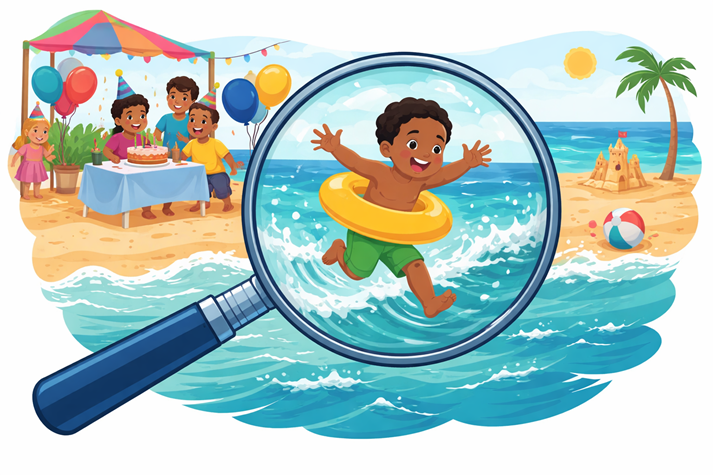
When you focus on a small moment, you can add more details. That helps your reader feel like they are right there with you.
Use Your Senses
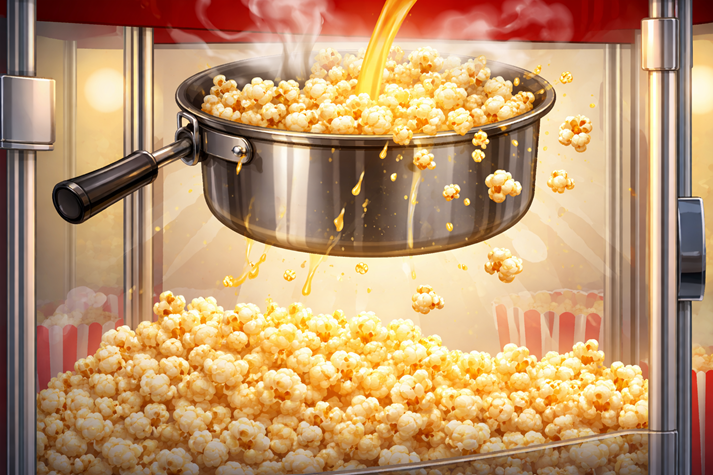
Great writers make readers feel like they are inside the story. You can do that by using your five senses.
Example: “The popcorn smelled buttery, and I could hear it popping while I waited for the movie to start.”
Now the reader can imagine it!
Your Ideas Are Already Inside You
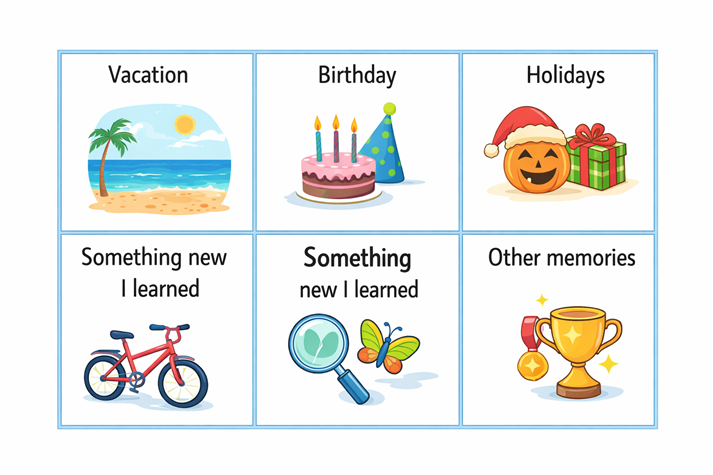
If you are not sure what to write about, think about your own memories. You might choose:
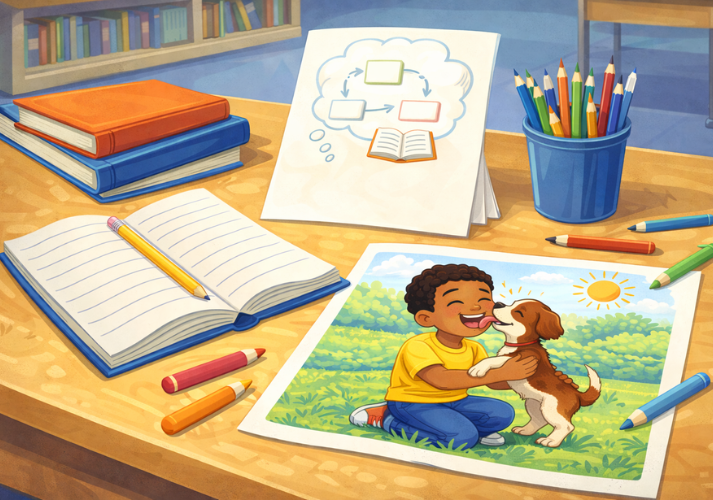
These ideas come straight from your life. If you need help getting started, use the My Memories Graphic Organizer found under Downloadable Resources in the right-hand sidebar.
From Idea to Story
Once you pick a memory, you will shape it into a story with three parts.
That simple structure helps your story make sense and keeps your reader interested.
You are about to turn your own memory into a story someone else can enjoy. That is a big deal.
Now that you know what a personal narrative is and how it works, it is time to start practicing and building your own story step by step.

Supplies
Additional Resources


 FAVORITE
 Like
Like