Sign Up
School Account Sign Up

Lesson ID: 10206
Use your reading crystal ball to predict what happens next in stories. Spot clues, test your guesses, and become a story detective!




Peek Into the Future of a Story
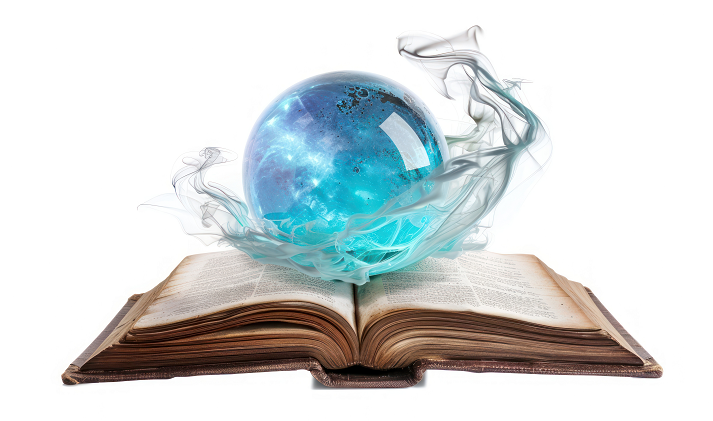
Imagine holding one in your hands. The glass begins to glow… and inside you see the characters from your story.
That’s the power of prediction. Good readers use their own “reading crystal ball” to guess what might happen in a story.
The cool part? You don’t need magic. You just need to pay attention to clues.
What Does It Mean to Predict?
Predicting is making a smart guess about the future based on what you know right now.
Scientists do it when they test plants—if a seed has water and sunlight, you can predict it will grow tall. Writers do it when they give you hints in a story.
And you can do it too!
In fact, readers are like detectives. Every detail is a clue.
The title: Does it hint at what’s coming?
The pictures: Do they show what might happen next?
The text itself: Are there words that suggest danger, excitement, or a big decision?
Clues in Action
Think of a football game. A player is running toward the end zone. You pause the picture.
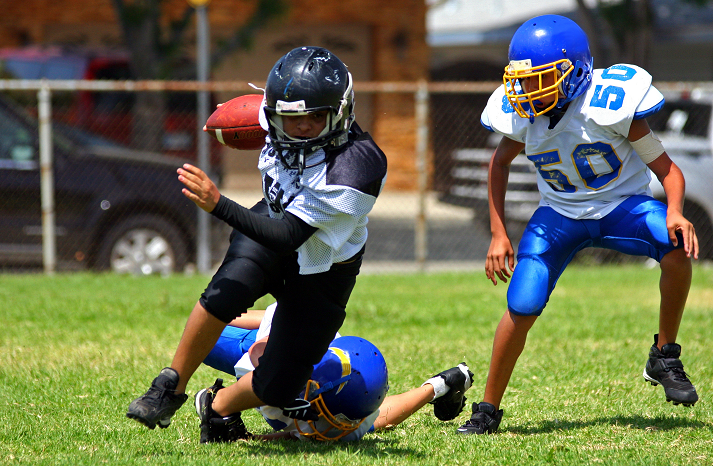
You don’t know for sure, but you can predict by using the clues: the player’s speed, the defenders’ positions, even the look on their face.
Just like that, stories are filled with paused moments. When you stop and think, you sharpen your prediction skills.
Practice From Everyday Life
You already make predictions every day without realizing it.
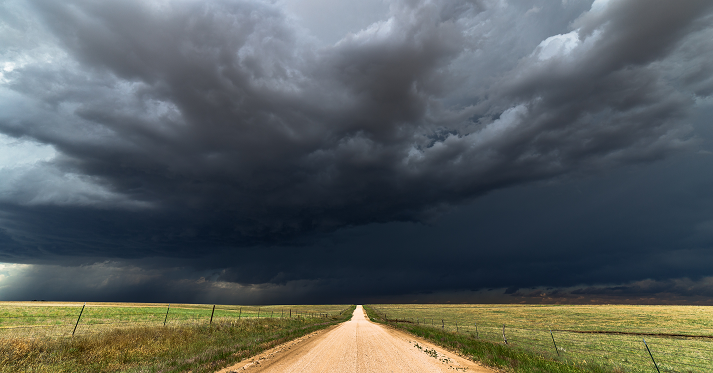
You see dark clouds and predict rain.
You hear your dog scratching at the door and predict they want to go outside.
You plant a seed with no sunlight and predict it probably won’t grow.
Stories work the same way—clues lead you toward what might happen next.
Prediction Power Tools
Here are three steps to strengthen your story crystal ball.
Pause and Think – Don’t race through the story. Stop and wonder, “What might happen?”
Use Clues – Look at words, titles, and illustrations. They’re your evidence.
Check Yourself – After reading, ask: Was my prediction right? If not, what new clues did I miss?
Remember, being wrong doesn’t mean you failed. It means the story surprised you—and that’s part of the fun.
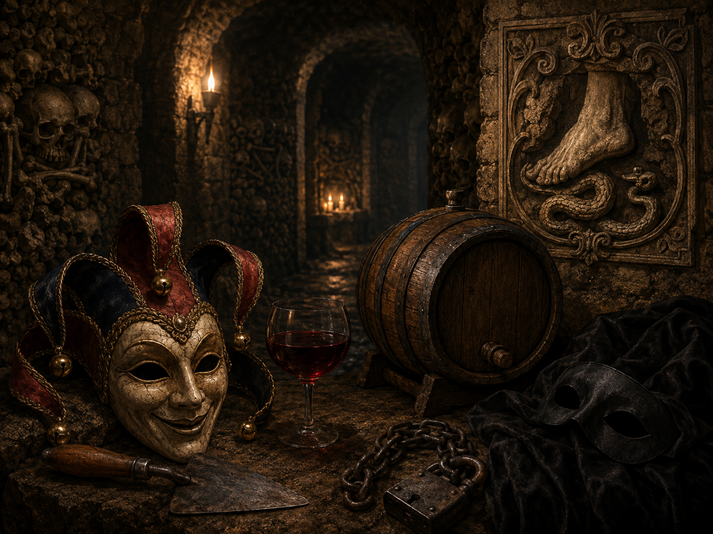
Riddle Me This
Sometimes predictions hide inside riddles. Try this example.
If you guessed the wind, you used clues to make an inference. Reading predictions work the same way—you build answers one clue at a time.

Wrapping Up the Crystal Ball
No one can predict the future with 100% accuracy—but in stories, you can become a fortune teller of sorts. By stopping, spotting clues, and making smart guesses, you’ll understand the story better and enjoy it more.
Now that you’ve unlocked your prediction powers, it’s time to put them to the test.
Get ready for the Got It? section, where you’ll practice making predictions and see how accurate your reading crystal ball really is!

Supplies





 FAVORITE
 Like
Like