Sign Up
School Account Sign Up

Lesson ID: 10061
Meet the characters! Learn how protagonists, antagonists, dynamic, static, round, and flat characters shape a story.




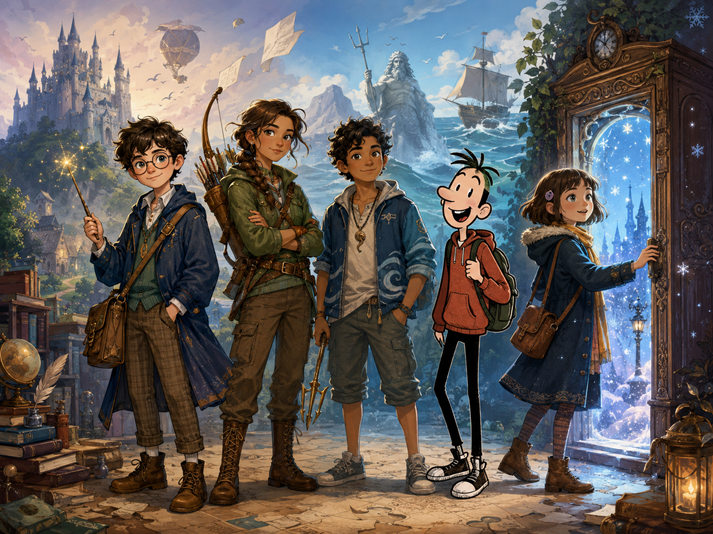
Harry Potter. Katniss Everdeen. Percy Jackson. Greg Heffley. Lucy Pevensie.
They are all characters from fiction books.
Characters are the people, animals, creatures, or beings who take part in a story. They make choices, face problems, cause trouble, solve trouble, and sometimes make you want to yell, “Please do not open that mysterious door!”
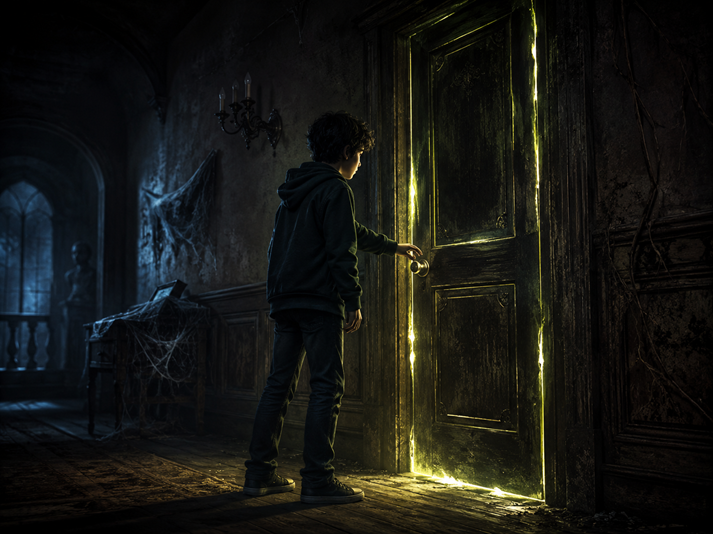
A good story needs more than events. It needs characters who make those events matter.
Think about a book, short story, or movie you know well.
Those questions help you analyze character types.
What Is a Character?
A character is anyone or anything that acts in a story or is affected by the action.
A character might be a person, an animal, a robot, a magical creature, a talking tree, or anything else the author brings to life. If the character makes choices, faces conflict, or affects the plot, that character matters.
Some characters are central to the story. Others appear for only a few scenes. Some grow and change. Others stay exactly the same from beginning to end, like a literary statue with better dialogue.
As you read fiction, look for what each character does for the story.
Protagonist
The protagonist is the central character in a story.
This is usually the character the story follows most closely. The protagonist faces the main conflict and must deal with the biggest problem.
The protagonist is often the “main character,” but that does not always mean the character is perfect, heroic, or even likable all the time. A protagonist can make mistakes, act selfishly, or struggle to do the right thing.
To find the protagonist, ask yourself:
Example:
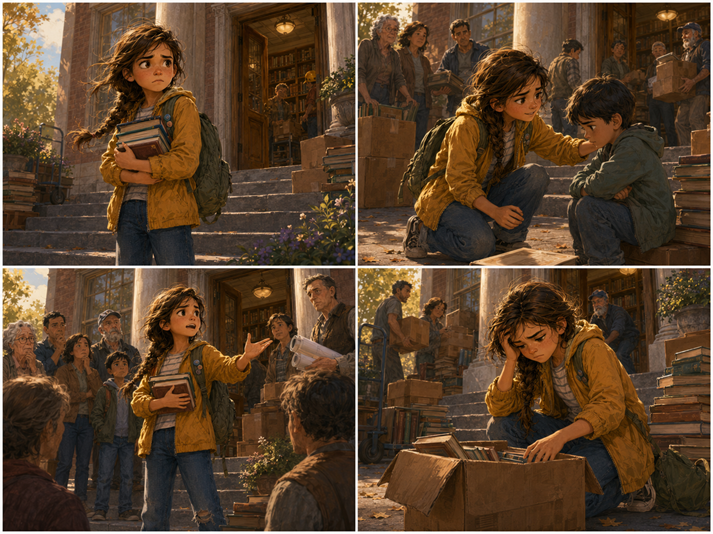
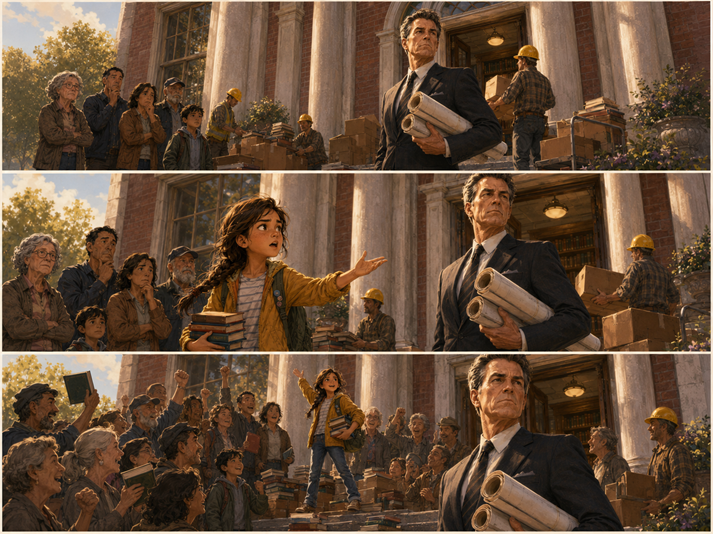
In a story about a girl trying to save her town library, the girl is probably the protagonist because the main conflict centers on her goal.
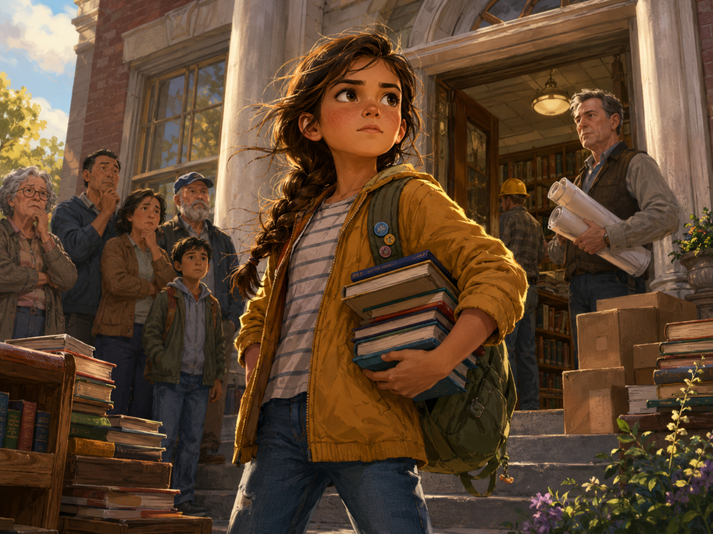
Antagonist
The antagonist is the character, force, idea, or situation that works against the protagonist.
Sometimes the antagonist is a villain. Sometimes it is a rival, a storm, a rule, a fear, a misunderstanding, or a society with unfair expectations.
The antagonist creates obstacles. Without obstacles, the protagonist would solve the problem in about three pages, and the book would be awkwardly short.
To find the antagonist, ask yourself:
Example:
If the girl trying to save the library must fight against a developer who wants to tear it down, that developer is an antagonist.

Dynamic Character
A dynamic character changes in an important way during the story.
The change is usually internal. That means the character’s thoughts, beliefs, values, confidence, fears, or understanding of the world may change.
A dynamic character may learn a lesson, see another person differently, become braver, become more honest, or even change for the worse.
Dynamic does not mean “exciting.” A character can run from dragons, climb mountains, and escape exploding castles but still not change much inside.
To spot a dynamic character, ask:
Example:
A character who begins a story afraid to speak up but ends by defending a friend has probably changed. That character is dynamic.
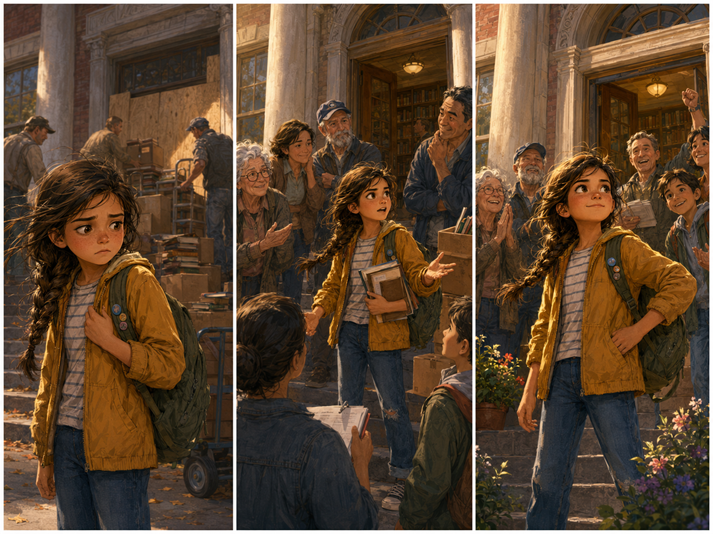
Static Character
A static character stays mostly the same throughout the story.
A static character may experience events, danger, success, or failure, but those events do not strongly change the character’s personality, beliefs, or outlook.
Static characters are not “bad” characters. They can be funny, helpful, wise, annoying, mysterious, or important. Authors often use static characters to support the protagonist, create contrast, or keep part of the story steady.
To spot a static character, ask:
Example:
A loyal friend who supports the protagonist from beginning to end but does not personally change much is probably static.
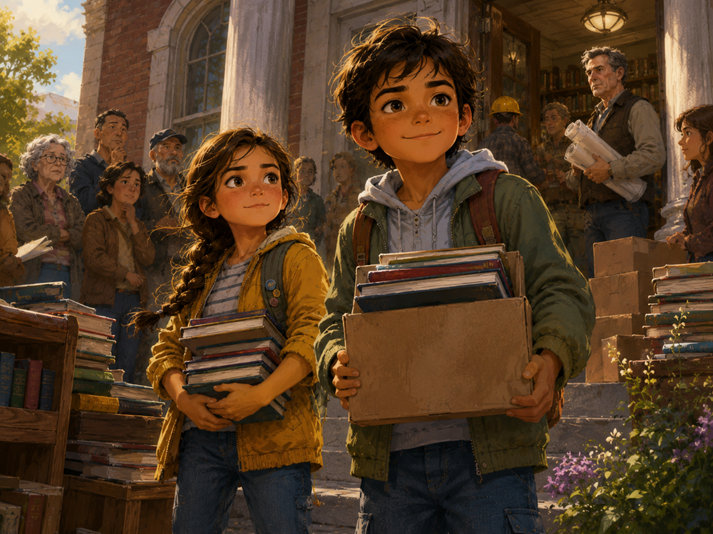
Round Character
A round character feels complex and realistic.
Round characters have more than one trait. They may have strengths and weaknesses. They may make good choices and bad choices. They may feel brave in one scene and afraid in another. They may want two things that conflict with each other.
Round characters often feel like real people because real people are not just one thing. Nobody is only “nice,” “mean,” “smart,” or “messy.” Although, some backpacks are trying very hard to prove otherwise.
To spot a round character, ask:
Example:
A character who is clever, jealous, loyal, impatient, funny, and afraid of failing is round because the character has many sides.
Flat Character
A flat character is simple and has only one or two main traits.
Flat characters are usually easy to describe quickly. They may be “the bully,” “the loyal sidekick,” “the strict teacher,” or “the cheerful neighbor.” They do not usually have much backstory, inner conflict, or emotional complexity.
Flat characters can still be useful. They can move the plot forward, add humor, create conflict, or help the reader understand a main character.
To spot a flat character, ask:
Example:
A character who appears only to brag, cause trouble, and leave may be flat if the story does not show any other side of that character.
Do These Character Types Overlap?
Yes! Character types can overlap.
A protagonist can be dynamic and round.
An antagonist can be static and flat.
A minor character can be round.
A protagonist can even be static if the story is built that way.
The most important thing is not just naming the character type. The most important thing is proving it with evidence from the story.
For example, do not just say:
This character is dynamic.
Say:
This character is dynamic because at the beginning of the story, she refuses to trust anyone. After working with her team and seeing others help her, she learns to accept support. By the end, she asks for help instead of trying to solve everything alone.
That second answer gives evidence. Evidence is the difference between character analysis and literary fortune-telling.
Character Types Quick Guide
Protagonist: the central character who faces the main conflict
Antagonist: the character, force, idea, or situation that works against the protagonist
Dynamic character: a character who changes in an important way
Static character: a character who stays mostly the same
Round character: a complex character with several traits, feelings, or motivations
Flat character: a simple character with only one or two main traits
Try It With a Familiar Story
Think about a story you know well. It can be a novel, a short story, a movie, or a show.
Choose one main character.
Ask yourself these questions.
Now, try filling in these sentence frames.
The protagonist is _____ because _____.
The antagonist is _____ because _____.
_____ is dynamic because _____.
_____ is static because _____.
_____ is round because _____.
_____ is flat because _____.
A familiar choice that works well is The Lion, the Witch and the Wardrobe.

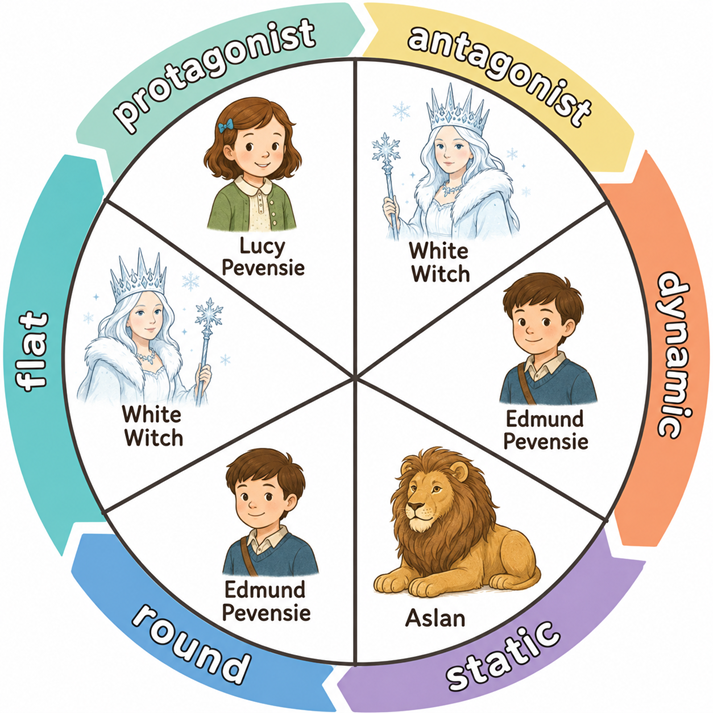
Use the Character Analysis Circle Chart
Open the Character Analysis Circle Chart found under the Downloadable Resources in the right-hand sidebar.
In each section of the chart, write a short definition in your own words.
Use these simple definitions to help you.
Protagonist: the central character who faces the main conflict
Antagonist: the person, force, idea, or situation that opposes the protagonist
Dynamic: a character who changes in an important way
Static: a character who stays mostly the same
Round: a character with many traits, feelings, or motivations
Flat: a character with only one or two main traits
Next, choose a novel or story you are reading now or have read recently.
Add character names to the sections where they fit best.
Remember, one character may fit more than one section.
For example, a main character might be both protagonist and dynamic. A rival might be both antagonist and static.
Use the Bubble Map
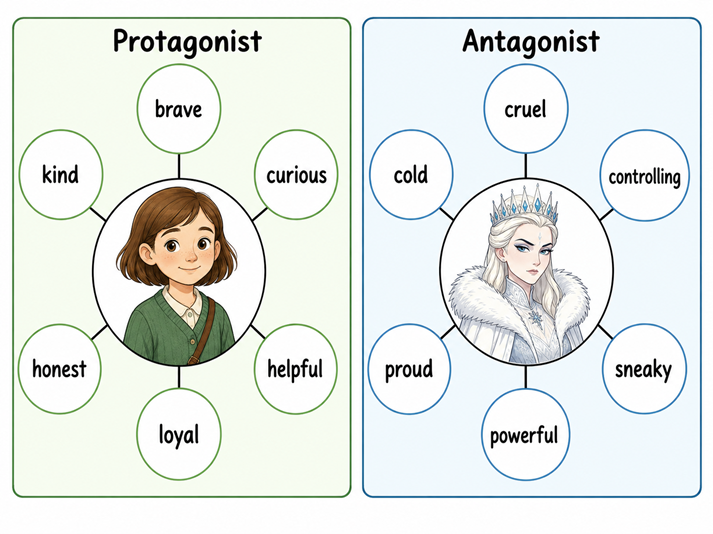
Now that you understand the character types, take a closer look at two important characters.
Open or print two copies of the Graphic Organizer - Bubble Map (Downloadable Resources).
Use one bubble map for the protagonist.
Use one bubble map for the antagonist or another important character.
Write the character’s name in the large center circle.
In the outside circles, write adjectives that describe the character.
Good character adjectives include words such as:
After you complete both bubble maps, compare them.
Ask yourself:
Character Clues to Watch For
Authors reveal characters in many ways. As you read, look for clues in:
Strong readers do not just notice what happens. They notice why characters act the way they do.
That is how you move from reading the story to understanding the story.
Nice work in the Get It! section. You now know how to identify major character types and explain what each character adds to a story.
Continue to the Got It? section to practice analyzing characters with evidence.

Supplies
Suggested Reading




 FAVORITE
 Like
Like