Sign Up
School Account Sign Up

Lesson ID: 13151
Study Wounded Knee with care, sort facts from fear, and create a respectful project that helps history speak clearly.




A Dance, a Rumor, and a Tragedy
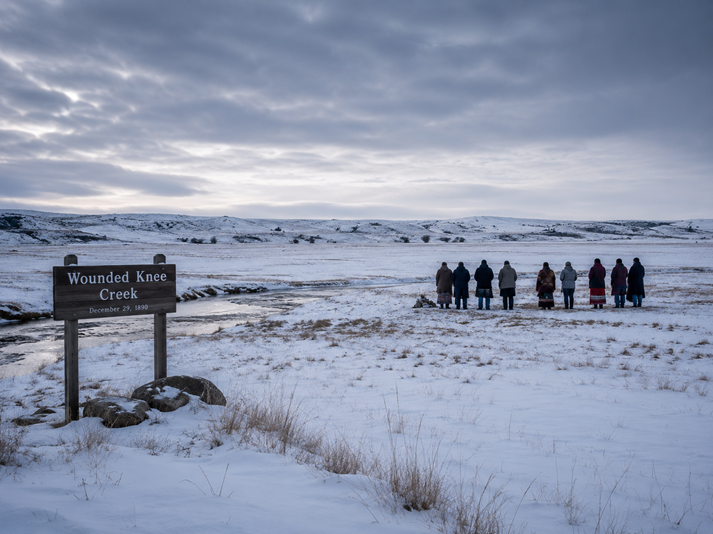
Imagine hearing a song and seeing a circle of people dancing. To some people, the dance looks peaceful. To others, it looks frightening. Then rumors spread. Leaders panic. Soldiers arrive. A single gun fires.
That chain of fear and confusion helped lead to one of the most painful events in United States history: the Wounded Knee Massacre.
On December 29, 1890, U.S. Army soldiers killed between 150 and 300 Lakota men, women, and children near Wounded Knee Creek on the Pine Ridge Reservation in South Dakota.
About 50 more Lakota people were wounded. Some soldiers were also killed or wounded, many likely by gunfire from their own side during the chaos.
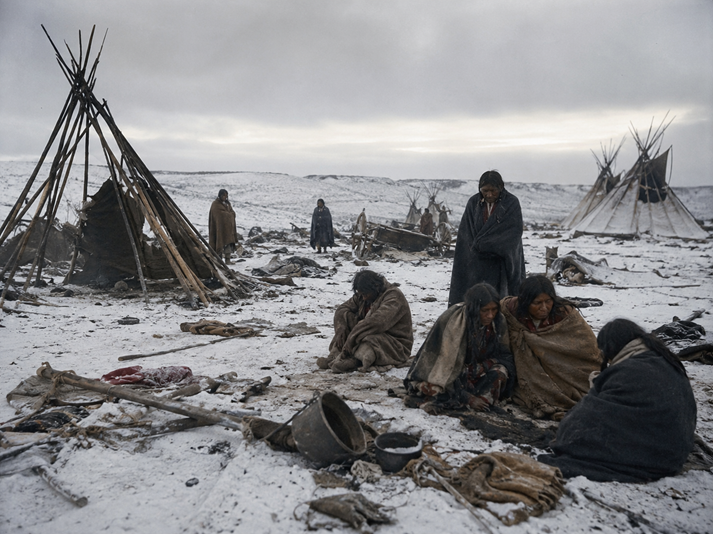
For many years, this event was called the Battle of Wounded Knee. Today, many historians, Native nations, and public institutions identify it as a massacre because many of the people killed were unarmed or trying to flee.
That word matters. A battle suggests two organized armed groups fighting each other. A massacre describes the killing of people who cannot fully defend themselves.
Wounded Knee was not a fair fight. It was the result of fear, broken promises, hunger, confusion, and force.
Before you can understand what happened that day, you need to understand the long buildup of pressure leading up to it.
The Long Road to Wounded Knee
The Wounded Knee Massacre did not begin with one argument or one mistake. It grew from decades of conflict between the U.S. government and Native nations across the Great Plains.
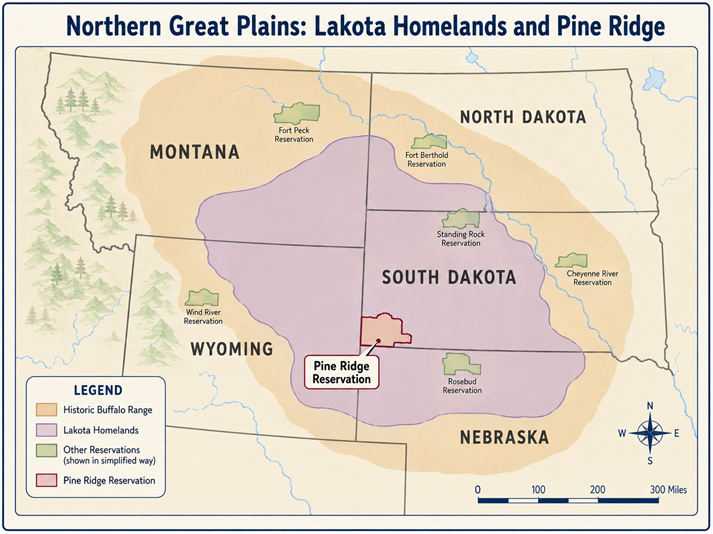
The Lakota, Dakota, and Nakota peoples are often grouped under the name Sioux, though many people prefer the specific names of their nations. The Lakota lived across parts of the Great Plains, where buffalo herds provided food, clothing, shelter, tools, and trade.
The buffalo were not just animals in the background. They were central to daily life, culture, and survival.
During the 1800s, the United States expanded westward. Settlers, railroads, miners, and the military moved into lands where Native nations already lived.
The U.S. government made treaties with Native nations, but those treaties were often broken, changed, or ignored. Native nations lost land. Buffalo herds were destroyed. Families were forced onto reservations, where food supplies were often poor, late, or reduced.
Life on many reservations was extremely difficult. People faced hunger, disease, poverty, and pressure to give up parts of their cultures.
Children were sometimes sent to boarding schools designed to separate them from their languages, families, and traditions. Adults faced rules from government agents who controlled food rations, movement, farming supplies, and daily life.
By 1890, many Lakota people on the Pine Ridge and nearby reservations were living under intense stress. Crops had failed. Promised supplies were cut. Food was short.
Families had lost land, freedom, and many parts of their traditional way of life.
When people lose so much, they often look for hope. For many Native people in 1890, that hope came through a religious movement known as the Ghost Dance.
The Ghost Dance: Hope Misunderstood
The Ghost Dance began with Wovoka, a Northern Paiute spiritual leader from Nevada. Wovoka taught that Native people should live peacefully, work honestly, and perform a special dance.
Many followers believed the dance could help restore a better world. Some believed it would bring back loved ones who had died, return the buffalo, and renew Native lands and ways of life.
The message spread from nation to nation. As it traveled, people understood it in different ways. That happens with any message that moves across languages, cultures, and painful circumstances.
For some Lakota people, the Ghost Dance became a powerful sign of hope during a time of hunger and loss.
Some followers wore special shirts during the dance. A few believed these shirts could protect them from bullets.
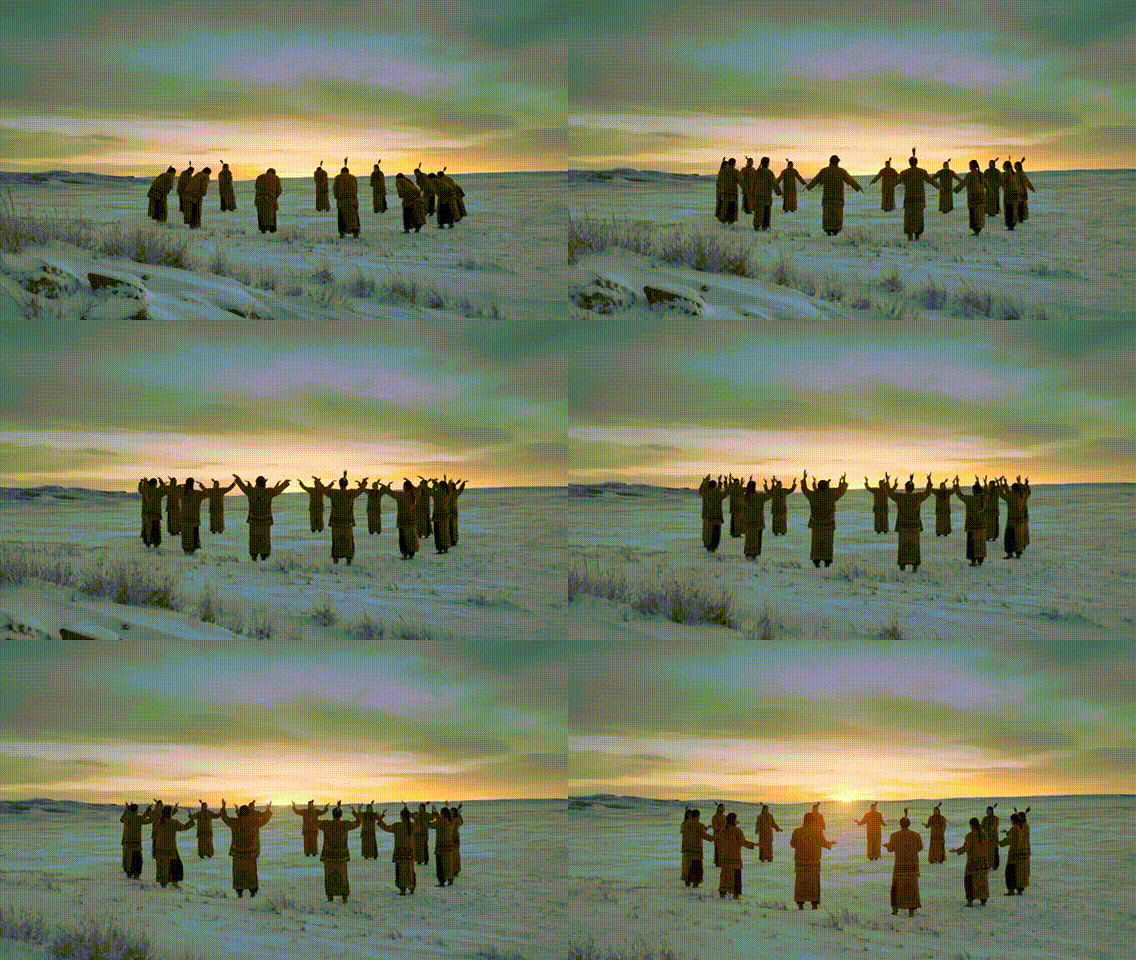
Not every Ghost Dance participant believed the same things, and not every Native leader supported the movement in the same way.
To many U.S. officials, settlers, and newspaper writers, the Ghost Dance looked threatening. They did not understand its spiritual meaning. They feared it might lead to war.
Some newspapers made the fear worse by describing the movement in dramatic or misleading ways. Government agents reported that the dancers were dangerous. Military leaders prepared for violence.
Here is the big problem: one group saw a religious movement and a sign of hope. Another group saw a warning sign of rebellion.
That misunderstanding mattered. Fear is a terrible historian. It jumps to conclusions, skips the facts, and usually makes everything worse.
Sitting Bull, Spotted Elk, and Rising Fear
As fear grew, U.S. officials focused on several Native leaders. One was Sitting Bull, a respected Hunkpapa Lakota leader.
Sitting Bull had been connected to Native resistance in the past, including the defeat of Custer’s forces at the Battle of Little Bighorn in 1876.
By 1890, officials worried that he might support the Ghost Dance movement, even though his role was more complicated than rumors suggested.
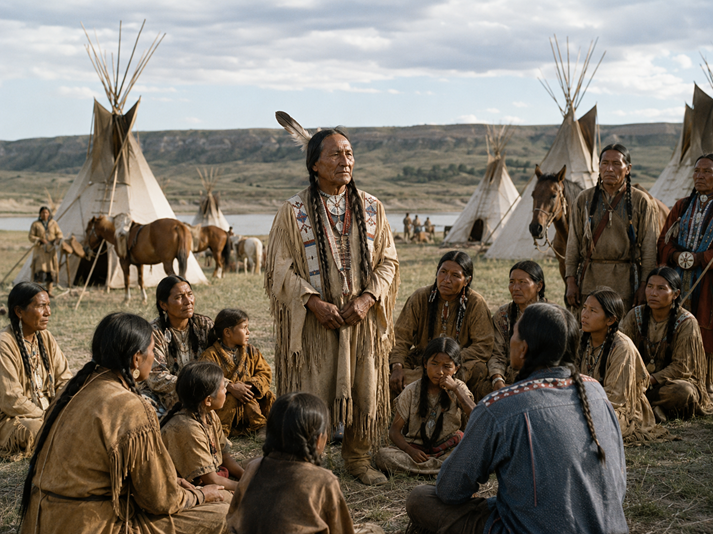
In December 1890, Native police were sent to arrest Sitting Bull at Standing Rock. The arrest turned violent, and Sitting Bull was killed.
His death frightened many Lakota people. If a famous leader could be killed during an arrest, other leaders had reason to wonder who might be next.
Another important leader was Spotted Elk, also known as Big Foot. He was a Miniconjou Lakota leader known by many as a peaceful person who often tried to reduce conflict.
After Sitting Bull’s death, Spotted Elk and his people traveled toward Pine Ridge, where they hoped to find safety with Red Cloud, an Oglala Lakota leader.
Spotted Elk was sick with pneumonia during the journey. His group included many women, children, and elders. They were not marching as an army. They were trying to survive.
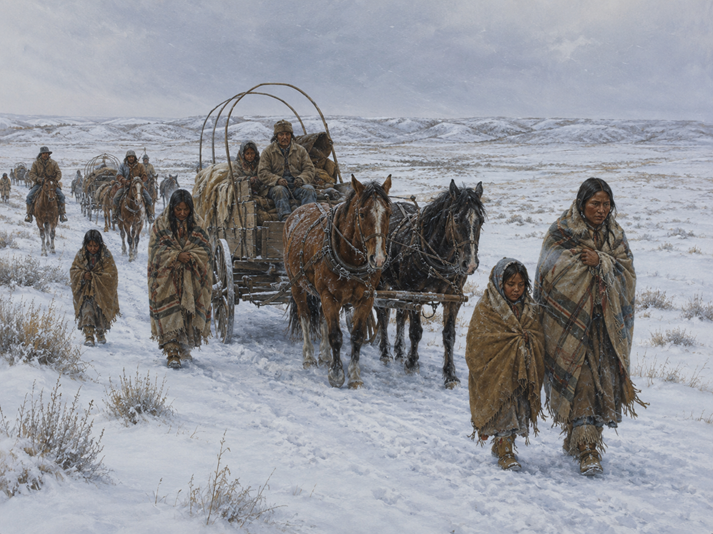
U.S. soldiers intercepted Spotted Elk’s band and escorted them to camp near Wounded Knee Creek. Spotted Elk raised a white flag, a sign of peace or truce. Soldiers surrounded the camp. They placed Hotchkiss guns, a type of rapid-fire artillery, on a nearby hill.
The situation was already dangerous. People were cold, afraid, hungry, and exhausted. Soldiers expected trouble. Lakota families feared violence. One spark could set off disaster.
The Day Everything Broke
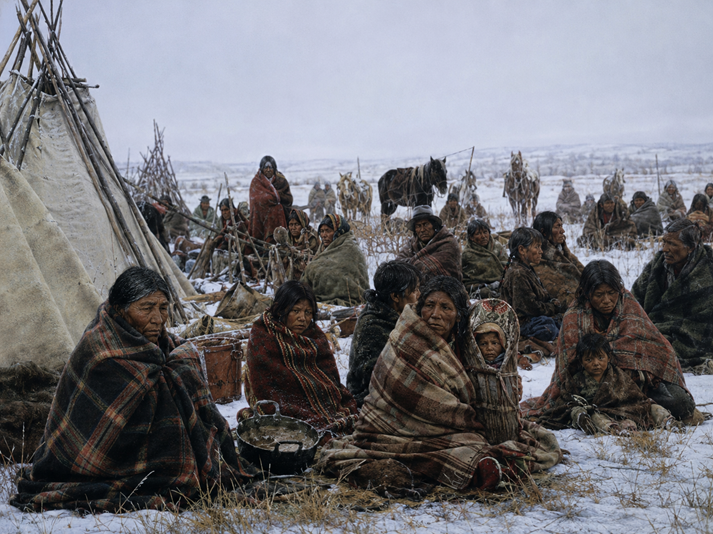
On the morning of December 29, 1890, soldiers ordered Lakota men to give up their weapons. Many did. Soldiers searched the camp for more weapons.
During the search, soldiers confronted a Lakota man often identified as Black Coyote. Some accounts say he was deaf or did not understand the order. Some say he did not want to give up a rifle he had paid for. During the struggle, a gun fired.
No one needed a battle plan after that. Panic took over.
Soldiers opened fire. Lakota men, women, and children ran for safety. The Hotchkiss guns fired into and beyond the camp.
Many people were killed where they stood or as they fled. Some soldiers were killed or wounded, too, likely because bullets flew wildly in the confusion.
By the end, Spotted Elk and many of his people lay dead in the snow.
The exact number of Lakota people killed remains uncertain because reports differed, bodies were scattered, and families were devastated. Historians often estimate that between 150 and 300 Lakota people died. About 25 soldiers died.
The difference in who had weapons, who controlled the camp, and who was killed helps explain why this event is remembered as a massacre rather than a battle.
Why Words Matter
For years, many newspapers and official reports described Wounded Knee in ways that praised the soldiers and blamed the Lakota. Some soldiers even received Medals of Honor.
Many Native people and historians have since challenged those awards and the old language used to describe the event.
Calling Wounded Knee a massacre does not mean ignoring every detail or pretending history is simple. It means looking honestly at the evidence.
The Lakota group included families, not just fighters. They had been surrounded. Many had given up weapons. Many victims were women, children, and elders. Many were shot while fleeing.
History becomes more accurate when people ask better questions.
Instead of asking only, “Who fired first?” ask these questions, too.
Those questions help you move beyond memorizing dates. They help you think like a historian.
Wounded Knee After 1890
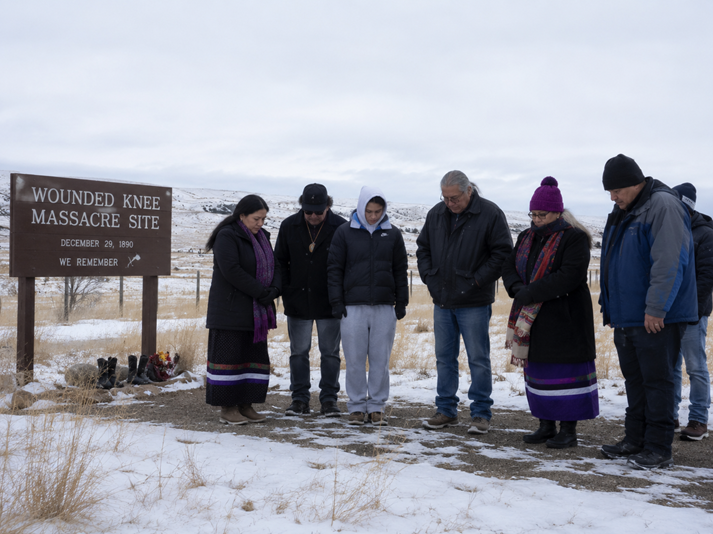
Wounded Knee still matters today. For many Lakota families and other Native communities, it is not just a sad event in a textbook. It is part of family history, community memory, and the larger story of Native survival.
In 1990, the U.S. Congress passed a resolution expressing deep regret for the Wounded Knee Massacre.
Many Native leaders and organizations continue to work for accurate history, protection of Native cultures and languages, treaty rights, land and water protection, health, education, and stronger Native communities.
Native nations are not only part of the past. They are active today. The United States includes hundreds of federally recognized Native nations, each with its own government, history, culture, and priorities. Native people serve as leaders, artists, teachers, scientists, lawyers, veterans, business owners, writers, and community organizers.
Learning about Wounded Knee should not freeze Native people in 1890. It should help you understand how past events still shape rights, memory, and justice today.
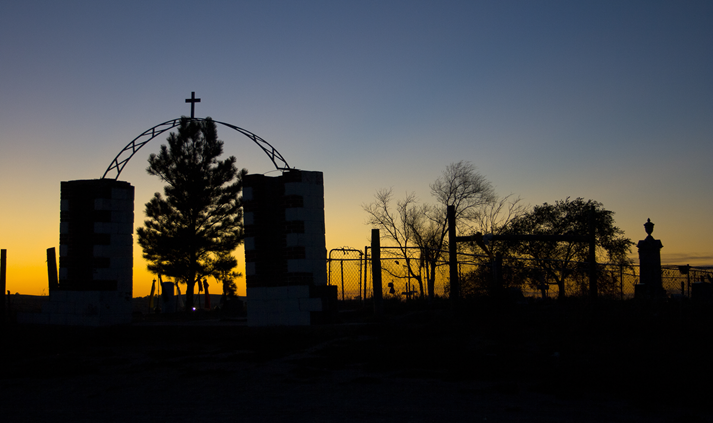
A Careful Way to Study a Hard History
This lesson includes violence and loss, so treat the topic with respect. You do not need to make the story more dramatic. The facts already carry enough weight.
As you study Wounded Knee, remember these key ideas.
Wounded Knee happened after years of broken treaties, land loss, hunger, and pressure on Native cultures.
The Ghost Dance was a spiritual movement that gave many Native people hope.
Many U.S. officials misunderstood or feared the Ghost Dance.
The death of Sitting Bull increased fear and tension.
Spotted Elk was sick and traveling with families when U.S. soldiers stopped his group.
A gunshot during a tense weapons search triggered panic and mass violence.
Many Lakota victims were unarmed or fleeing.
Wounded Knee is widely remembered today as a massacre, not a battle.
Now that you know what happened and why the words matter, you are ready to test the evidence.
In the Got It? section, you will review key facts, check your understanding, and decide how historical evidence supports the claim that Wounded Knee was a massacre rather than a battle.

Supplies
Additional Resources
Suggested Reading


 FAVORITE
 Like
Like