Sign Up
School Account Sign Up

Lesson ID: 11040
Atoms team up in cool ways! Discover how elements combine to create the molecules and compounds that make up everything—from salt to sugar to you!




Mix Things Up!
You’ve probably heard words like elements and compounds in science class—or even on the labels of things you eat or use every day.
Get ready to explore a world where invisible ingredients combine, split, or rearrange to make everything you see, wear, eat, breathe, and are!
Uncover the hidden recipe behind your universe.
Start With the Basics: What’s an Element?
An element is a pure substance made of only one kind of atom. You can’t break it down into anything simpler—even if you use heat, electricity, or chemicals.
Each atom in an element has a set number of protons, and that number never changes.
Hydrogen (H) has 1 proton
Oxygen (O) has 8 protons
Carbon (C) has 6 protons
There are 118 known elements, and they’re all organized on something called the periodic table. Some elements are gases (like oxygen), some are metals (like iron), and some are found in your body (like calcium)!

What Happens When Atoms Combine?
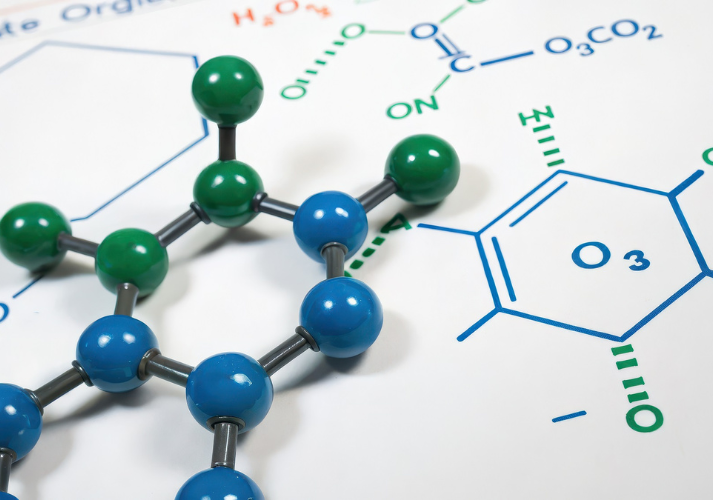
Atoms can stick together—and when they do, they form a molecule.
A molecule is any time two or more atoms bond together.
If those atoms are the same, it’s still just an element.
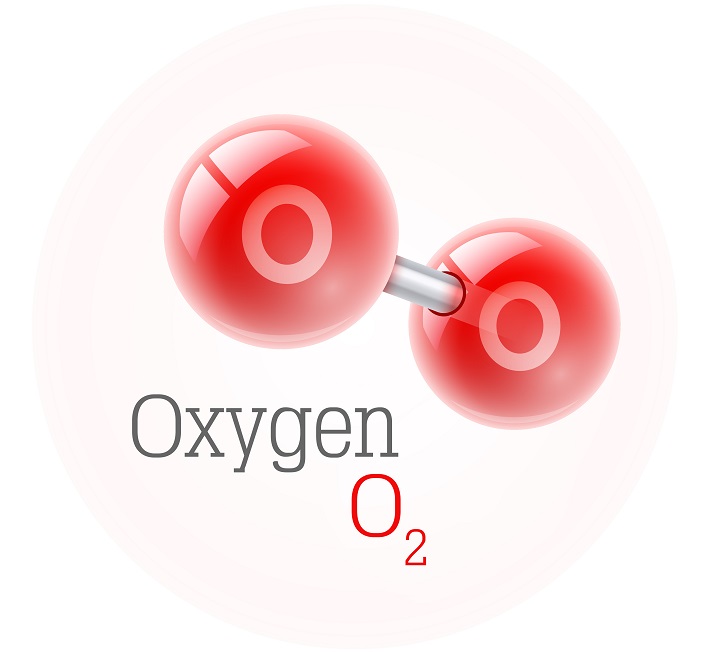
Example: O? is a molecule of oxygen gas made of two oxygen atoms.
If the atoms are different, you’ve created something new: a compound.
What’s a Compound?
A compound is a type of molecule made of two or more different elements that are chemically combined. You can't pull them apart without a chemical reaction.
Here’s what makes compounds special:
They always form in specific ratios.
The compound has different properties than the elements it came from.
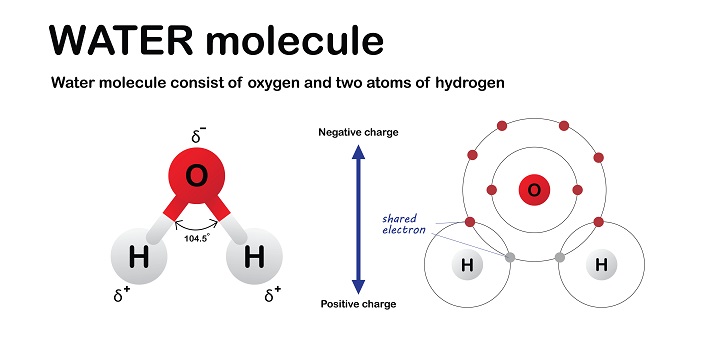
Hydrogen and oxygen are gases.
But together? They make water (H?O)—a liquid!
Other Examples
Table salt = Sodium + Chlorine → NaCl
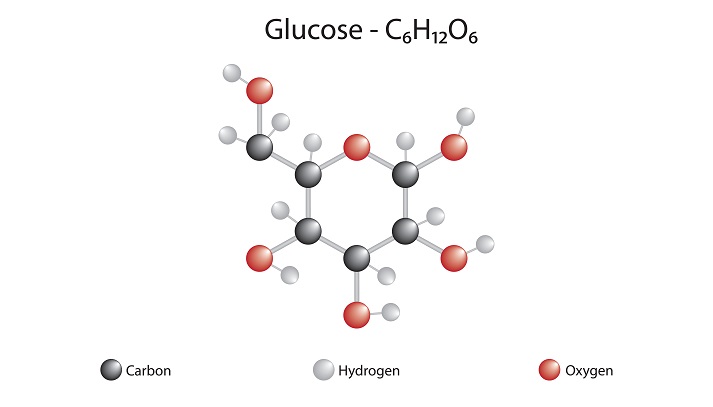
Glucose (sugar) = Carbon + Hydrogen + Oxygen → C?H??O?
Molecule vs. Compound: What's the Difference?
Think of it like this.
| Term | What It Means | Example |
| element | one kind of atom | O, H, C, Na |
| molecule | two or more atoms bonded together | O2, H2O, CO2 |
| compound | a molecule made of different elements | H2O, NaCl, CO2 |
So, all compounds are molecules, but not all molecules are compounds.
How Do Atoms Stick Together?
Atoms connect using chemical bonds, like invisible glue made of electrons.
There are two main types of bonds.
Covalent Bonds – Atoms share electrons (like friends splitting a snack).
Water and sugar use these.

Ionic Bonds – One atom gives an electron to another (like trading cards).
Salt (NaCl) uses this.
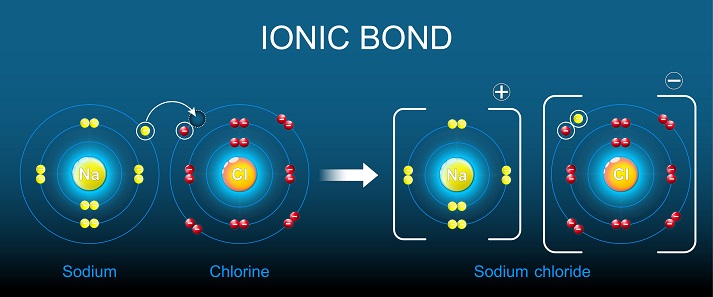
These bonds help atoms form stable molecules and compounds that don’t easily fall apart.
Quick Recap: What You Just Learned
An element is made of only one type of atom.
A molecule is two or more atoms bonded together.
A compound is a molecule with two or more different elements.
Compounds always form in fixed ratios.
The properties of compounds are different from the elements they’re made of.
Atoms bond by sharing or transferring electrons.
Up Next: Put It into Practice!
Now that you’ve got the basics down, it’s time to sort, build, and compare. In the Got It? section, you’ll test your new chemistry skills with activities that challenge you to identify, classify, and explain the building blocks of matter.
Get ready ti break it down—one atom at a time.

Supplies
Related Lessons


 FAVORITE
 Like
Like