Sign Up
School Account Sign Up

Lesson ID: 14389
Survive Mars using real science. Explore what makes the Red Planet dangerous and how science helps humans stay alive in extreme environments.




You’ve Been Left Behind
One moment, you’re part of a cutting-edge Mars mission. The next, a storm forces an emergency evacuation. Your crew launches without you.
Communication is gone. Rescue is years away.
You are not doomed because of aliens or monsters. You are doomed because of physics, chemistry, and biology.
Before diving into the science behind survival on Mars, watch this short trailer from The Martian. As you watch, pay attention to the problems Mark Watney faces and how often science—not luck—is presented as his only way forward.

Survival on Mars isn’t about bravery or heroics. As the trailer hints, it’s about understanding the environment, working through problems step by step, and making decisions based on evidence.
This lesson uses moments from The Martian as a reference point to explore what Mars is really like—and what it would actually take to stay alive there.
Mars Is Not “Almost Earth”
The Martian—both the novel by Andy Weir and the film adaptation—tells the story of an astronaut stranded alone on Mars, forced to survive using science, creativity, and problem-solving.
Throughout this lesson, scenes and ideas from the story will be used as a reference point to compare what the science gets right, what it simplifies, and where it stretches reality for dramatic effect.
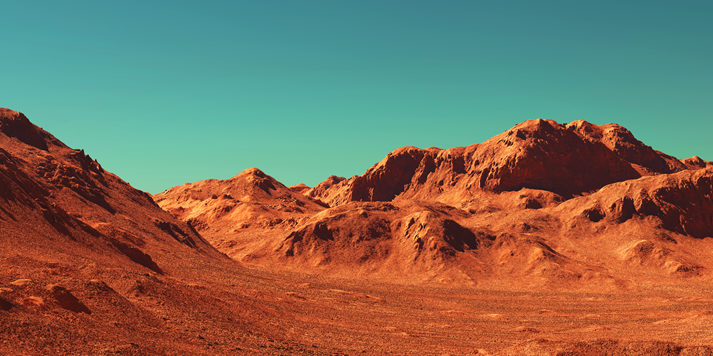
Mars looks familiar in photos—rocky ground, mountains, valleys—but that similarity is deceptive. In real life, Mars is not “almost Earth.” It is a planet that challenges human survival in subtle, relentless ways, where even small mistakes can quickly become life-threatening.
Atmosphere: Too Thin to Help
Mars has an atmosphere, but it’s extremely thin—about 1% as dense as Earth’s. That means:
You cannot breathe it. (It’s mostly carbon dioxide.)
There isn’t enough pressure to keep liquid water stable.
Heat escapes quickly, causing extreme temperature swings.
Without protection, the human body would lose consciousness in seconds. Survival requires a sealed, pressurized environment at all times.
Temperature: Cold Wins
Mars is cold. Very cold.
Average temperature: around –80°F (–60°C).
Temperatures can change dramatically between day and night.
Technology can generate heat, but it requires energy. On Mars, every watt matters.
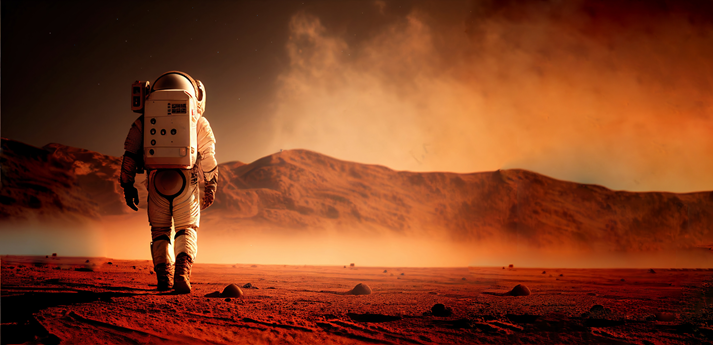
Gravity: Helpful, But Not a Superpower
Mars has about 38% of Earth’s gravity. That means you would weigh less and find it easier to lift heavy objects. Sounds great—until you consider the trade-offs.
Lower gravity:
Makes movement easier but less stable.
Weakens bones and muscles over time.
Changes how tools, vehicles, and even your body behave.
In the movie The Martian, the main character—an astronaut stranded alone on Mars—moves around the planet in a way that looks mostly familiar, with walking, climbing, and working appearing similar to life on Earth.
In reality, Mars’s lower gravity would change how the human body functions over time, requiring constant physical effort to maintain muscle strength, bone density, and coordination just to stay healthy.
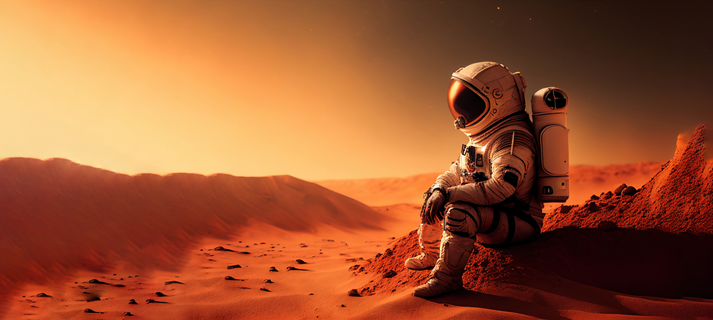
Radiation: The Invisible Threat
Earth’s thick atmosphere and magnetic field protect life from most cosmic radiation. Mars does not offer that protection.
On Mars:
Radiation from space reaches the surface.
Long-term exposure increases cancer risk.
Electronics and human tissue are both vulnerable.
Habitats would need shielding, often using thick materials or even Martian soil piled on top of living spaces. Radiation isn’t dramatic—but it is dangerous.
Dust Storms: Science vs. Story
Dust storms on Mars are real and can cover the entire planet. However, Mars’s thin atmosphere means its winds don’t pack much force.
This is where The Martian stretches reality:
Martian winds look violent but exert far less pressure than Earth's winds.
A storm strong enough to knock over a rocket would require unrealistically powerful conditions.
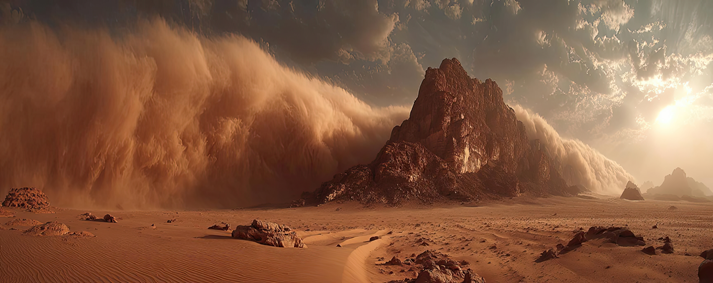
Why exaggerate it? Because stories need a catalyst. Science fiction often bends facts to start the problem, then becomes more accurate in how characters respond to it.
Shelter: Your Only Safe Bubble
On Mars, survival depends on staying inside a controlled environment:
Proper air pressure
Oxygen supply
Temperature control
Protection from radiation
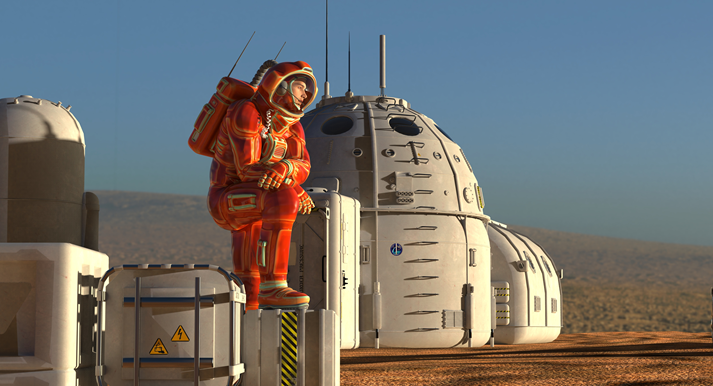
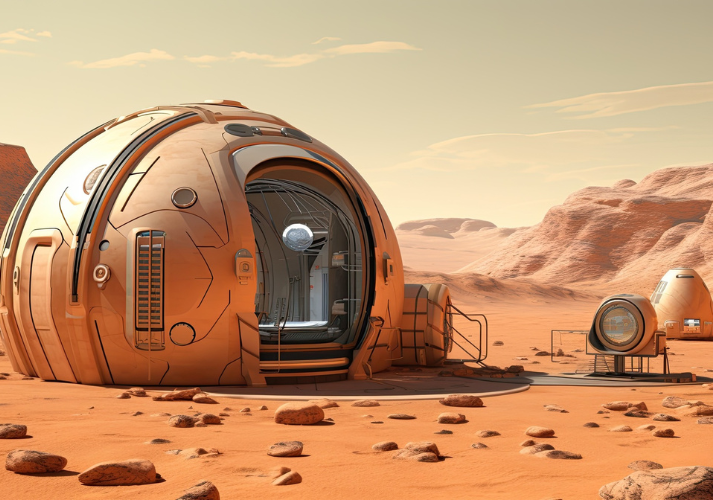
The habitat in The Martian is one of the film’s more realistic elements. NASA and other space agencies actively study similar designs. It isn’t glamorous—but it’s plausible.
One small failure, however, can be catastrophic. A tiny tear or pressure leak could destroy months of preparation in seconds.
The Big Idea: Survival Is a Systems Problem
Mars doesn’t kill you with one dramatic blow. It challenges you with dozens of small, constant problems:
Limited air
Limited water
Limited food
Limited energy
No backup plan
Survival depends on understanding how these systems connect. Fixing one problem often creates another. Smart decisions matter more than heroic ones.
In The Martian, Mark Watney survives not because he’s fearless, but because he understands the science—and respects its limits.
What Comes Next
Mars is dangerous not because of a single dramatic threat, but because of many interconnected challenges that must all be managed at once. Atmosphere, temperature, gravity, radiation, and shelter work together to determine whether a human can survive—or not.
In the Got It? section, you will apply what you’ve learned by analyzing survival conditions on Mars, identifying the most serious risks, and explaining how science helps reduce those dangers.
This is your chance to think like a mission planner and test how well you understand what survival on Mars actually requires.

Additional Resources
Suggested Reading
Suggested Resource


 FAVORITE
 Like
Like