Sign Up
School Account Sign Up

Lesson ID: 14388
What happens when it’s cold in Florida? Discover why iguanas fall from trees, how reptiles handle chilly weather, and what this says about our world!




Falling Lizards?!
Imagine walking outside on a chilly morning in Florida. You’re sipping cocoa, minding your own business, when—thud!—something drops from the tree above. It’s green. It’s scaly. It’s an iguana!
Don’t worry, it’s not attacking. It’s just… frozen.
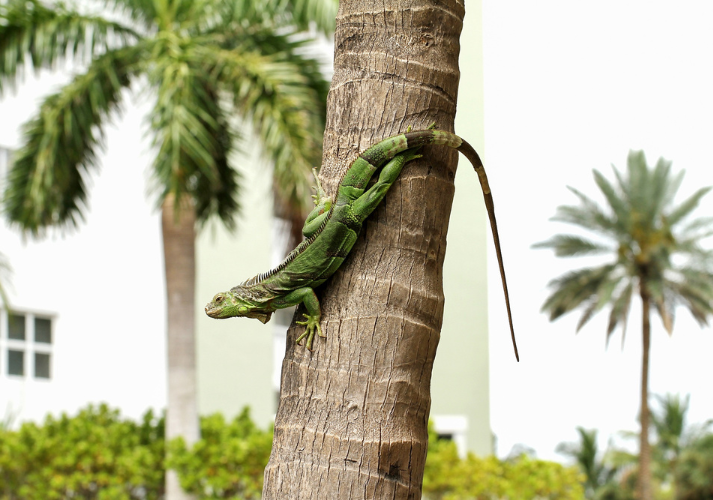
When the temperature dips below 50°F (10°C), iguanas—those big, tree-climbing reptiles—can suddenly lose their grip and tumble to the ground.
It’s so common during Florida cold snaps that weather forecasters sometimes warn, “Watch for falling iguanas!”
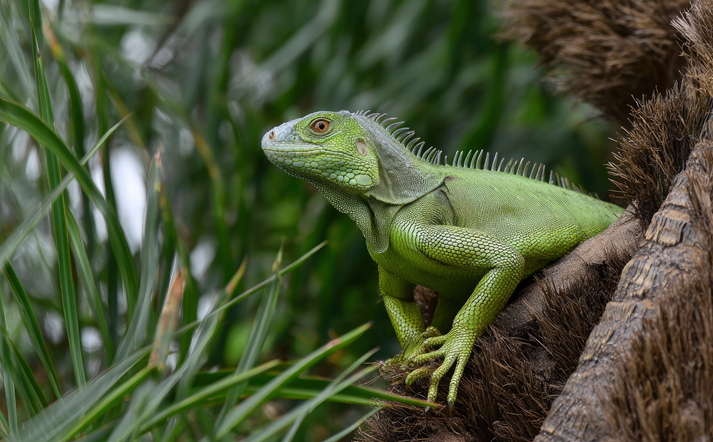
Why Iguanas Take an Unexpected Dive
Iguanas are cold-blooded, which means their body temperature depends on the air around them.
When it’s warm, they’re quick, alert, and agile. But when cold air moves in, their muscles slow down, their reactions weaken, and they can’t hold on to the branches where they sleep.
Once their bodies get too cold, they slip into a sort of deep chill called torpor—a temporary “sleep mode” that helps them survive until it warms up again.
Where Does This Happen?
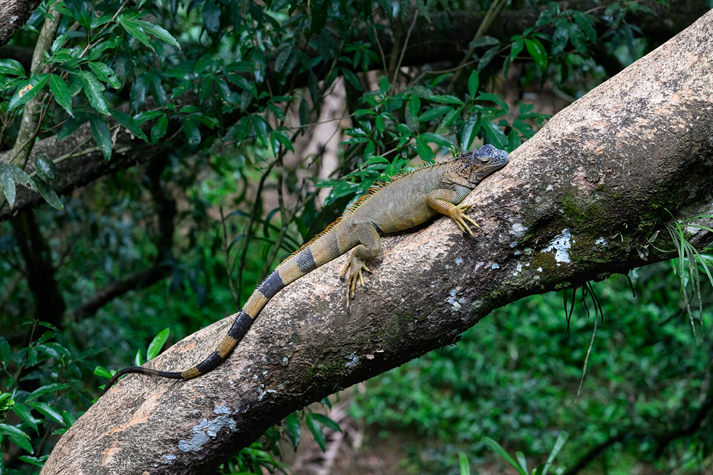
The green iguana originally comes from the tropical forests of Central and South America, where it’s sunny and humid all year. But now, iguanas also live wild in parts of Florida, where people first brought them as pets
In the Sunshine State, they’ve become an invasive species—which means they don’t belong there naturally, but they’ve spread quickly and affect the local environment.
The problem? Florida’s weather sometimes turns colder than these tropical reptiles can handle, and that’s when the great iguana drop begins.
Watch the following news segment to see it in action!

Are They Okay?
Most of the time, yes! When the sun returns and the temperature climbs back up, many of these “frozen” iguanas slowly warm up, wake up, and crawl away like nothing happened.
But if the cold lasts too long, some don’t survive. And no—humans shouldn’t scoop them up to “help.” Once they warm up, they can wake suddenly and use their claws, tails, or teeth to defend themselves.
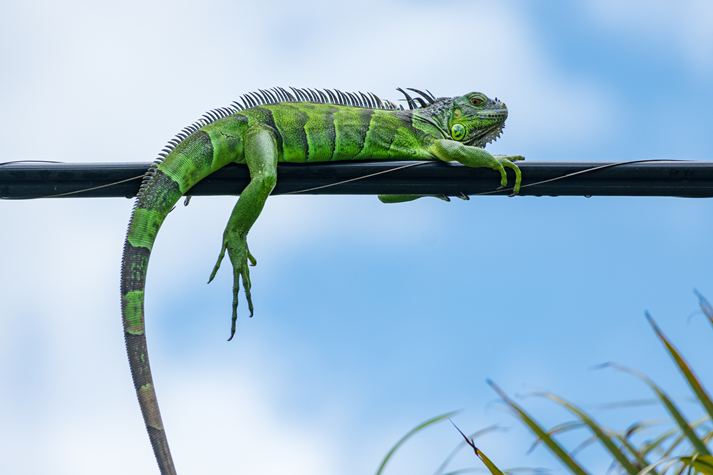
Why It’s More Than Just Funny
It might sound like a silly story, but it’s a cool (literally!) way to understand how weather and animal adaptations work together.
Iguanas show us that not all creatures can handle sudden changes in temperature, and that ecosystems can get pretty wild when animals live outside their natural homes.
Next up, you’ll get to test what you learned—by exploring how temperature affects other animals, and maybe even modeling what happens when an iguana gets too cold!

Supplies



 FAVORITE
 Like
Like