Sign Up
School Account Sign Up

Lesson ID: 14387
Travel through time to explore how phones evolved—from Bell’s first “Hello” to today’s smart devices—and imagine what the phones of tomorrow might look like!




Can You Hear Me Now… from 1876?
Imagine trying to explain your phone to Alexander Graham Bell—the man who made the first telephone call in 1876.
“You can call anyone in the world,” you’d say.
“Without wires?” he’d ask, astonished.
“Yep. And I can also watch movies, do homework, play games, and take pictures on it.”
Bell would probably faint right there on the spot.
From a single, crackly voice over a wire to sleek devices that fit in your pocket, the phone has undergone one of the most dramatic makeovers in technology history.
It’s a story of invention, creativity, and our endless desire to stay connected.
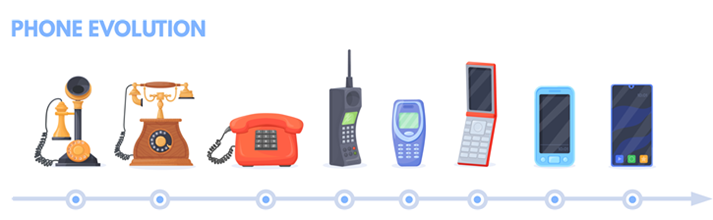
The Call That Started It All
It all began in 1876 when Alexander Graham Bell spoke the first words ever transmitted over a wire:
“Mr. Watson, come here—I want to see you.”
Bell’s invention turned sound waves into electrical signals, which traveled through wires and were converted back into sound on the other end. For the first time, people could talk to someone miles away—instantly.
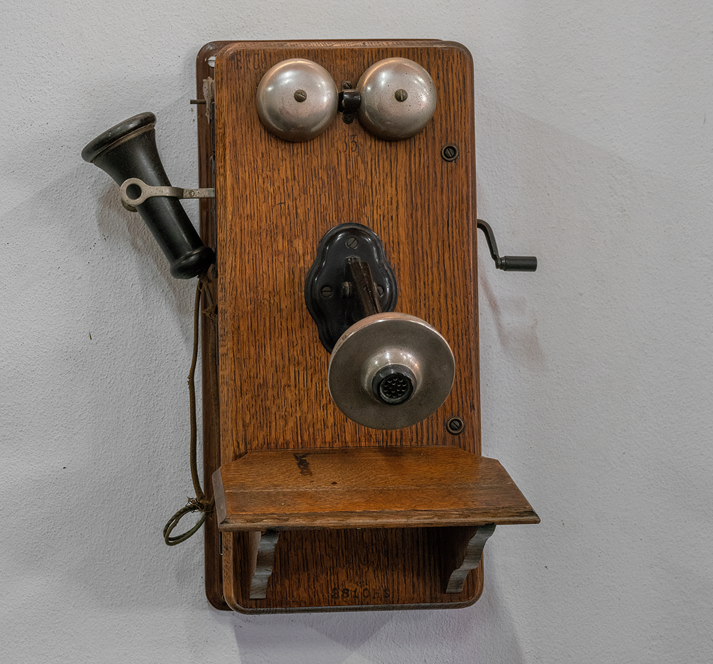
Early phones were large, wooden boxes with crank handles and separate earpieces. Operators connected calls manually by plugging wires into switchboards.
It was slow, clunky, and limited—but revolutionary. Suddenly, the world didn’t feel quite so big anymore.
From Wall Phones to Home Phones
By the early 1900s, telephones had begun to appear in homes and businesses. At first, only the wealthy had them, but by the 1940s, phone lines had stretched across towns, countries, and oceans.

People memorized numbers, shared “party lines” with neighbors, and relied on operators to make long-distance connections. In many homes, the phone became the heart of communication—where news spread, plans were made, and gossip thrived.
Then came a major upgrade: the rotary dial phone. No more calling the operator—people could dial directly. It was satisfying to spin, but not very fast (especially if you dialed wrong).
Freedom from the Cord
In the 1980s, technology took a big leap—the cordless phone. No more being tied to the wall! Using radio waves instead of wires, cordless phones let people wander around the house while talking.

At the same time, the car phone appeared—bulky, expensive, and super fancy. It worked through early cellular networks that divided cities into “cells” of radio coverage. Each call hopped from one tower to another as you drove, paving the way for something even more powerful: the cell phone.
The First Mobile Revolution
The first handheld cellular phone call occurred in 1973, and by the 1990s, “mobile phones” were popping up everywhere. But they weren’t exactly pocket-sized—most were huge, heavy “bricks” that barely fit in a bag.
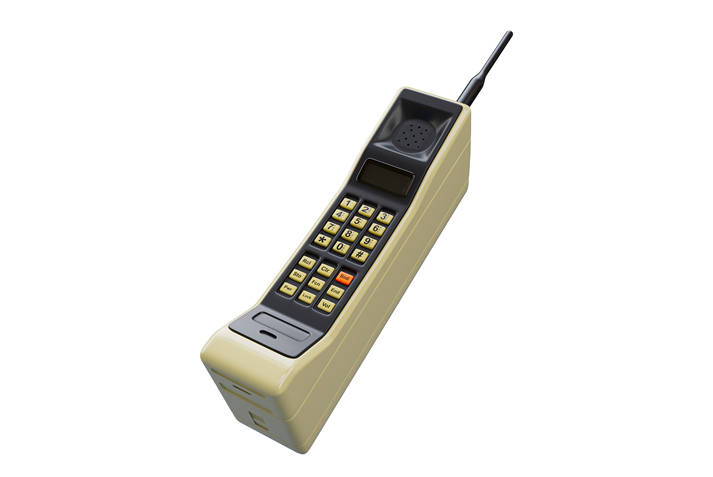
Early cell phones could only make calls. Then came text messaging, which changed everything. For the first time, people could communicate silently and instantly.
Teenagers mastered the art of “T9 texting,” pressing each button multiple times to type letters. (Yes, it was as slow as it sounds.)
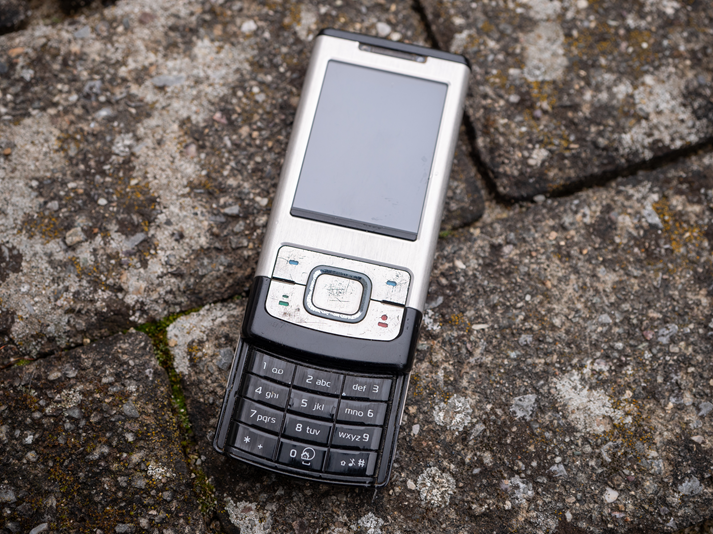
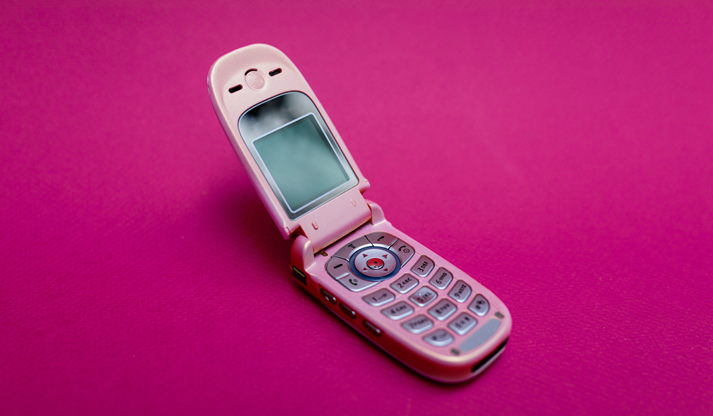
And who could forget the flip phone—the coolest gadget of the early 2000s? With a snap open and shut, it felt futuristic and personal.
Phones were no longer just tools—they were accessories, status symbols, and even fashion statements.
Smartphones Take Over the World
In 2007, everything changed again with the arrival of the smartphone. Suddenly, the phone wasn’t just for talking—it became a pocket-sized computer.
Smartphones combined the functions of a phone, camera, computer, calculator, music player, and map all in one sleek device. Touchscreens replaced buttons. Apps replaced physical tools.
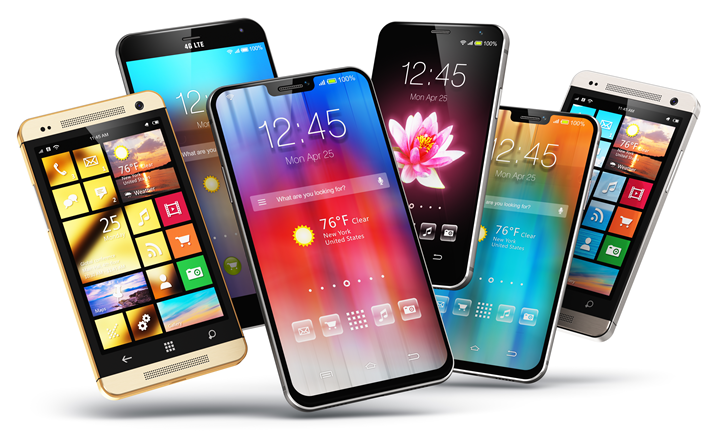
Communication exploded—calls, texts, emails, social media, and video chats all in one place.
Now, phones aren’t just about connecting with people—they connect us to everything. From ordering food to checking the weather, from online learning to taking photos of your cat, smartphones have become extensions of daily life.
The Future Is Calling
So what’s next? The phones of tomorrow may not look—or feel—like phones at all. Engineers are already experimenting with:
Foldable and holographic screens
Phones built into glasses or watches
Voice-activated assistants powered by artificial intelligence
Augmented and virtual reality communication
Neural technology—devices you can control with your thoughts
As technology continues to evolve, the goal remains the same: to communicate faster, more easily, and more naturally. The tools may change, but the human desire to connect never fades.
The Call Continues
The evolution of the phone tells a bigger story about us—how each generation uses technology to bring people closer together. From Bell’s shout across a wire to video calls that cross oceans, every ring, text, and emoji is part of that journey.
Phones have shaped the way we speak, work, learn, and even think—and as they keep changing, they’ll continue to shape the future.
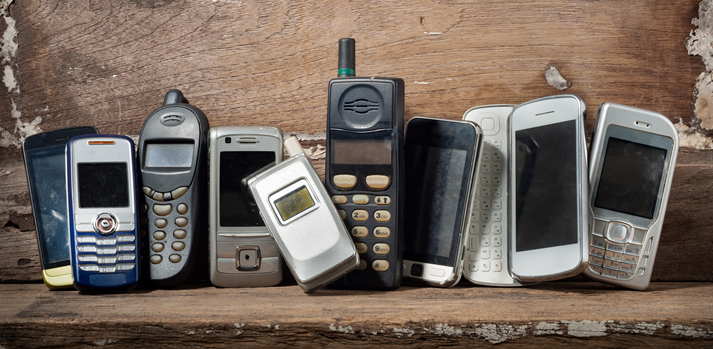
You’ve just traveled from Bell’s first “Hello” to the cutting edge of smart technology.
In the Got It? section, you’ll test what you’ve learned and explore how phones changed communication, culture, and connection—one call at a time.

Supplies



 FAVORITE
 Like
Like