Sign Up
School Account Sign Up

Lesson ID: 14274
Imagine a glorious dinner with ham, buttery sweet corn, and soybeans. Who can you thank for this delicious meal? Iowa! Explore how Iowa agriculture dominates the U.S. food industry.




Head to Iowa! Iowa is the heart of agriculture, and the people of the United States rely heavily on its fertile soil and animal production to keep the country going.
If you are in the mood for corn and soybeans, head on over and explore the exciting world of agriculture in Iowa.
Check out this video to learn more!

Where Is Iowa?
Iowa is located right smack dab in the middle of the country, in the heart of the Midwest region. The Mississippi River runs along the eastern border of Iowa.
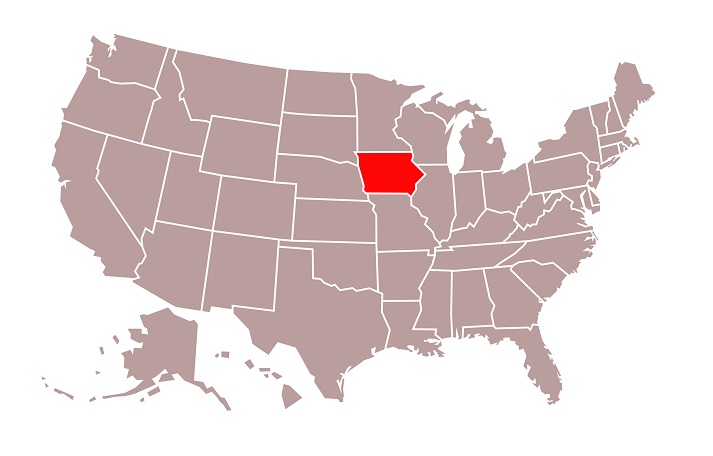
Iowa is one of the most important agricultural states in the United States. More than 85% of the land in Iowa is farmed.
The state's fertile soil and advanced farming practices enable it to produce vast quantities of crops and livestock, making Iowa a cornerstone of U.S. agriculture.
There are about 30 million acres of farmland in the state of Iowa alone.
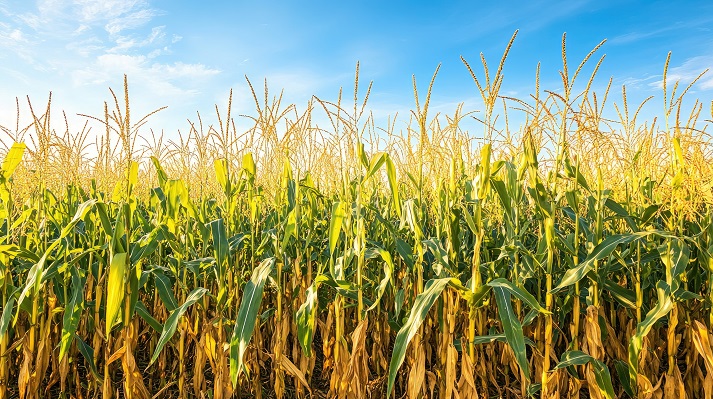
It’s often called the "Corn State" because Iowa grows more corn than any other state. But it doesn’t stop there!
Iowa also produces soybeans, pork, eggs, and milk that help feed people all across the country.
Farmers in Iowa work hard to grow healthy food, take care of animals, and protect the land for future generations.
The Start of Farming In Iowa
Long before European settlers arrived in Iowa, Native American tribes were the first farmers, raising crops along the rivers.
Native Americans did not use the wide open prairies for farming because that was where the animals would roam, and they could hunt. However, that all changed when the American settlers pushed in.
In the 1830s, settlers found their way to Iowa. It did not take long before the word was out about the amazing soil found there.
Farmers came from all over, turning Iowa's forests and prairies into plowed fields.
Iowa Becomes a State
Iowa became the 29th state in the United States on December 28, 1846.
While this area had always been farmed because of its fertile soil and perfect growing conditions, right around the 1850s, farmers really started to benefit from the Industrial Revolution.
Manual farming, which took a meticulous amount of hours, could now be done with new machinery like steel plows, corn planters, and hay rakes. Using these tools allowed for more acres to be cultivated.
During the Civil War, farmers realized that wheat was wearing out the soil. They turned to corn as their main crop.
By the 1880s, they learned how to rotate their crops to keep their soil fertile and prevent crop diseases.
Iowa Farming in the 1900s
Iowa farmers had finally figured it out! They were able to use machines that required fewer people to work the farm, and this also reduced the amount of hard labor needed to farm the fields.
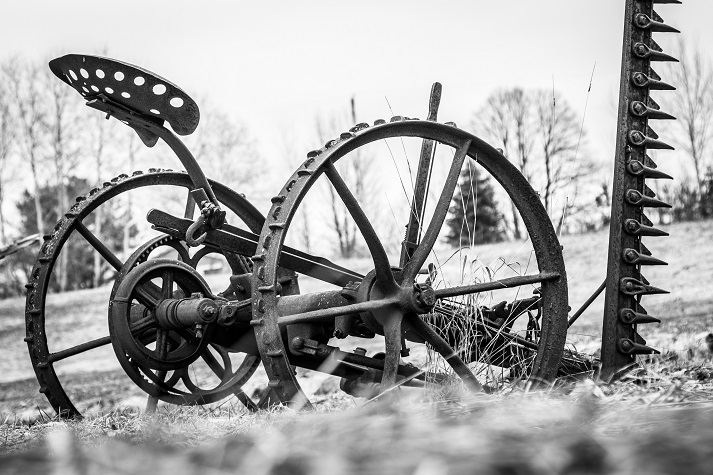
It was called the Golden Age of Agriculture because farmers were actually able to make a living farming without breaking their backs to do it.
While the rest of the nation was turning to industry and moving to major cities, people in Iowa were growing industry, too: the agriculture industry.
Agriculture in Iowa Today
Today, Iowa is the leading producer of corn, soybeans, pork, and eggs in the United States. Agriculture remains a major part of the state's economy, producing billions of dollars in sales across nearly 100,000 farms.
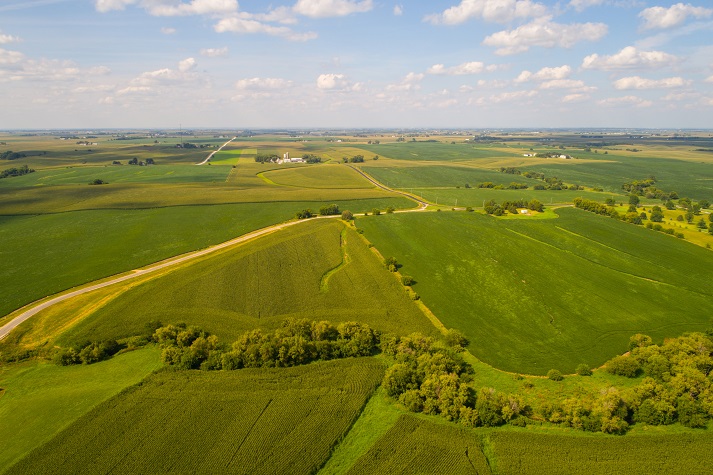
Like all farmers, weather and climate play a significant role in the food they produce and the money they earn. Climate change greatly affects Iowa farmers.
As temperatures rise, precipitation patterns change, and more extreme weather events take place, farmers must find ways to keep up production. The United States is counting on them.
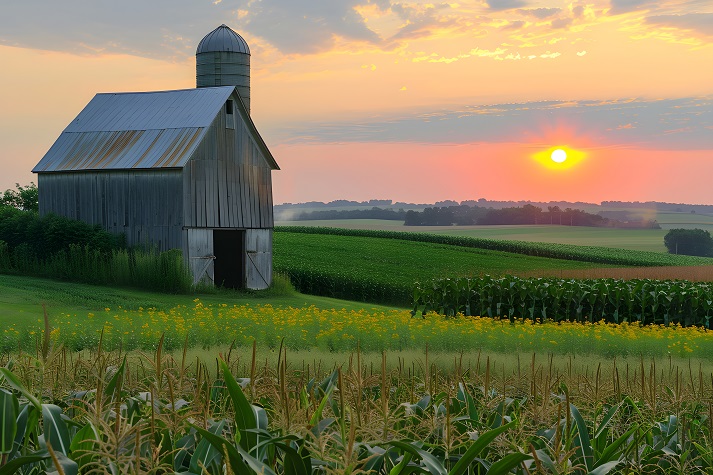
Learning about Iowa’s farms teaches you how agriculture helps people everywhere, and why it’s so important for food production in the U.S. Its contributions help support both domestic consumption and global exports, solidifying its importance in the broader food system.
Head to the Got It? section to learn more.

Supplies


 FAVORITE
 Like
Like