Sign Up
School Account Sign Up

Lesson ID: 14269
How often can you step into the past and really appreciate history? Probably not very often, unless you read a ton of history books! But in Savannah, Georgia you can literally walk through history!




Imagine walking through a giant outdoor museum, but instead of looking at paintings, you’re looking at old buildings, cobblestone streets, and beautiful parks with giant oak trees.
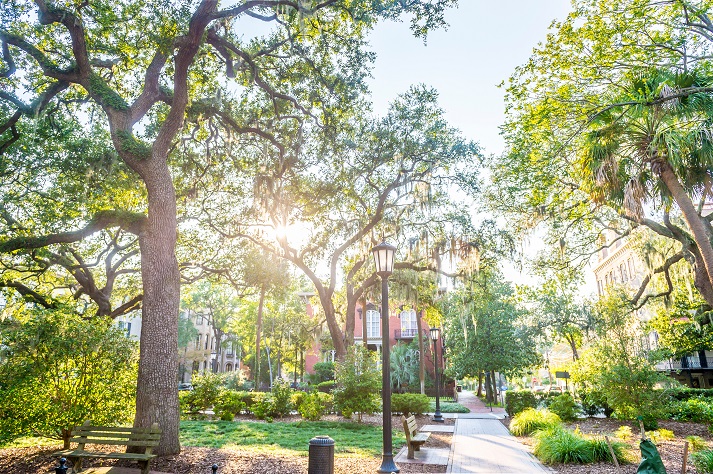
This is what Savannah's Historic District feels like!
The city itself may not be an actual museum, but it serves the same purpose. Savannah’s Historic District preserves important artifacts from the past, teaches visitors about its history, and celebrates culture and heritage.
Savannah's Colonial History
Savannah, Georgia, is one of the oldest cities in the United States.
It was founded in 1733 by James Oglethorpe, a general from England. He brought people across the Atlantic Ocean on a ship named Anne to settle the land south of the Savannah River.
Oglethorpe started a new American colony called Georgia, and Savannah was the very first city in this colony. The land that Savanah sits on was given to Oglethorpe by the Yamacraw Native Americans.
By the start of the American Revolutionary War, Savannah was the southernmost port in the Thirteen Colonies. During the War, British troops took over the city in 1778.
In 1779, Americans attempted to retake the city during the Siege of Savannah but ultimately failed. This was one of the bloodiest battles of the Revolutionary War. The British didn't leave Savannah until 1782.

Today, Savannah is famous for its unique city layout, architecture, and parks. Visiting Savannah's Historic District is like stepping back in time to learn about Georgia's colonial days.
Squares of Savannah
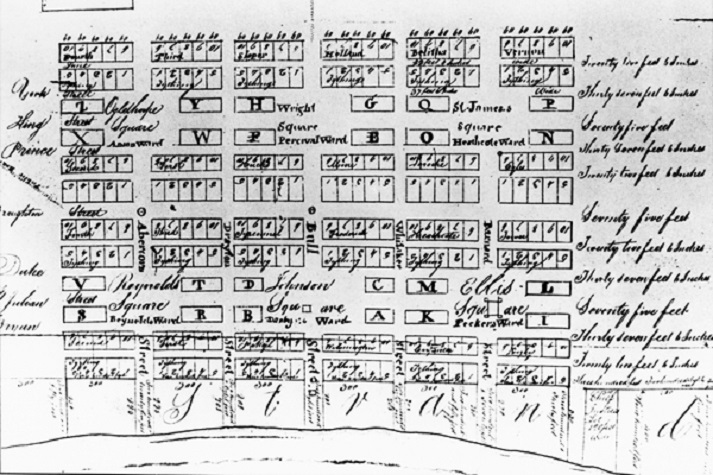
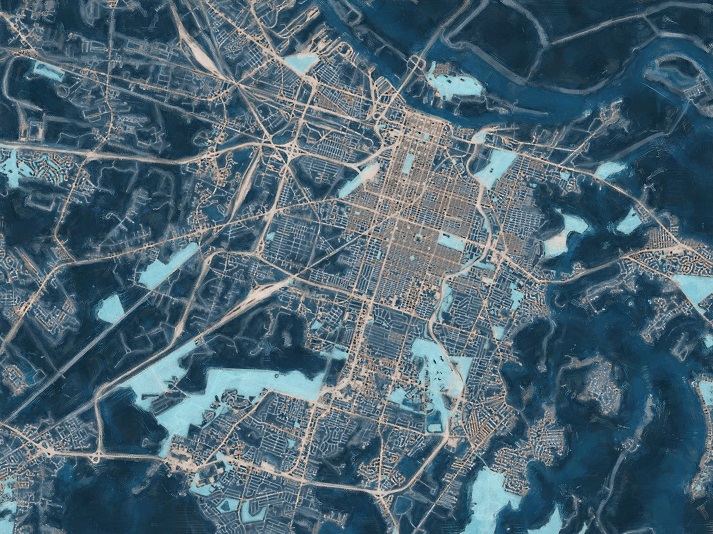
Oglethorpe designed the city to look like a grid or a giant checkerboard. The streets crisscross, creating perfectly square or rectangular city blocks.
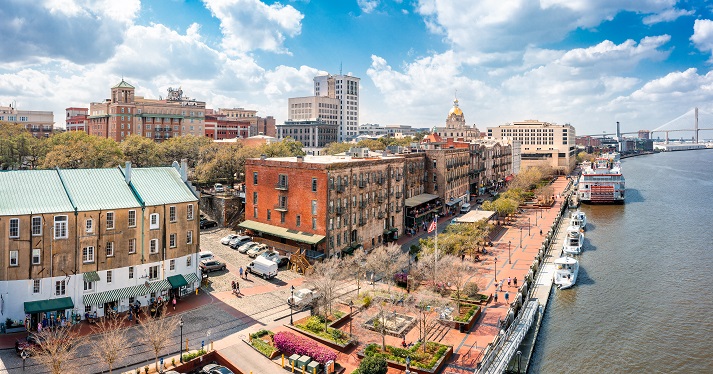
Look at an aerial view of modern-day Savanah, Georgia.
One of the coolest things about Savannah is its twenty-two squares, which are little parks scattered throughout the city grid. The squares were designed to serve as gathering places where people could meet, relax, or host events.
Each square has its own story, and they're surrounded by beautiful historic buildings and trees covered in Spanish moss.
River Street
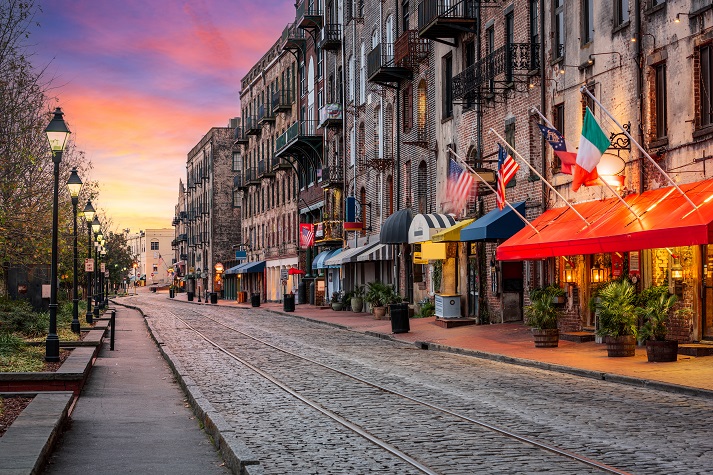
Savannah's River Street is where you can see the Savannah River and learn about the city's history as a port town. The street is lined with old warehouses made of brick.
In the 1800s, Savannah was a bustling port where people traded goods such as rice, cotton, and timber. It was a port city along the Savannah River, so ships came and went from all over the world.
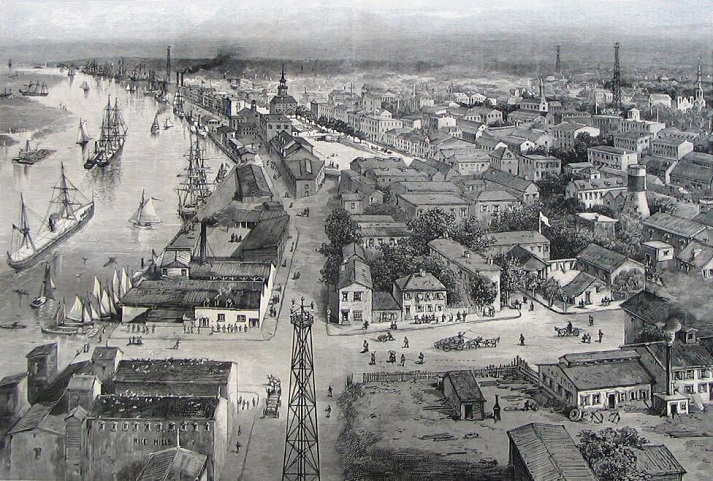
Today, these warehouses have been converted into shops and restaurants, but they still retain their original appearance. Walking along River Street, you can imagine the ships coming in and out, bringing goods from all over the world.
Churches and Historic Homes
While the architecture on River Street is mostly large brick warehouses, the architecture in other parts of Savannah's Historic District is more elegant!
For example, the Cathedral Basilica of St. John the Baptist, with its tall spires and colorful stained-glass windows, is one of the most famous landmarks in Savannah.
The Cathedral was built after the American Revolutionary War ended, when Catholics were allowed to practice their faith more freely. The church then became a symbol for formerly enslaved people escaping the Caribbean country of Haiti.
Savannah's Historic District is full of amazing old homes, each with its own unique architecture and story.
Heritage and Preservation
Heritage is the traditions, stories, buildings, and ways of life that people before you created and passed down. It helps people remember who they are and where they come from.
In Savannah, the city's colonial heritage can be seen all around—from the buildings and brick cobblestones on River Street to the parks and statues on twenty-two squares. Walking through Savannah's Historic District is like walking through an outdoor museum!
Because of the city's preservation, you can experience many parts of Savannah the same way the colonial settlers did!
In the 1950s, some people in Savannah wanted to tear down old buildings to make room for new ones. However, a group of citizens recognized the importance of saving and preserving the historic places in Savannah.
That's how the Historic Savannah Foundation was created. Thanks to their work, you can still visit places like the Davenport House and learn about Georgia's colonial heritage.
By preserving these buildings, squares, and streets, Savannah keeps its history alive. When people save these special places, they are not just saving buildings—they're saving the stories of the people who made Savannah what it is today!
Get ready to take a trip back in time! Visit the Got It? section to test your knowledge of Savannah's past!

Supplies





 FAVORITE
 Like
Like