Sign Up
School Account Sign Up

Lesson ID: 13910
Who is the most famous traitor in American history? Find out as you compare three pieces of writing on this topic!




Hero… or Traitor?
At Saratoga National Historical Park in New York, there is a monument honoring one of the most brilliant soldiers of the American Revolution.
It praises his courage.
It honors his bravery.
It celebrates his leadership.
There’s just one strange detail.
It never mentions his name.
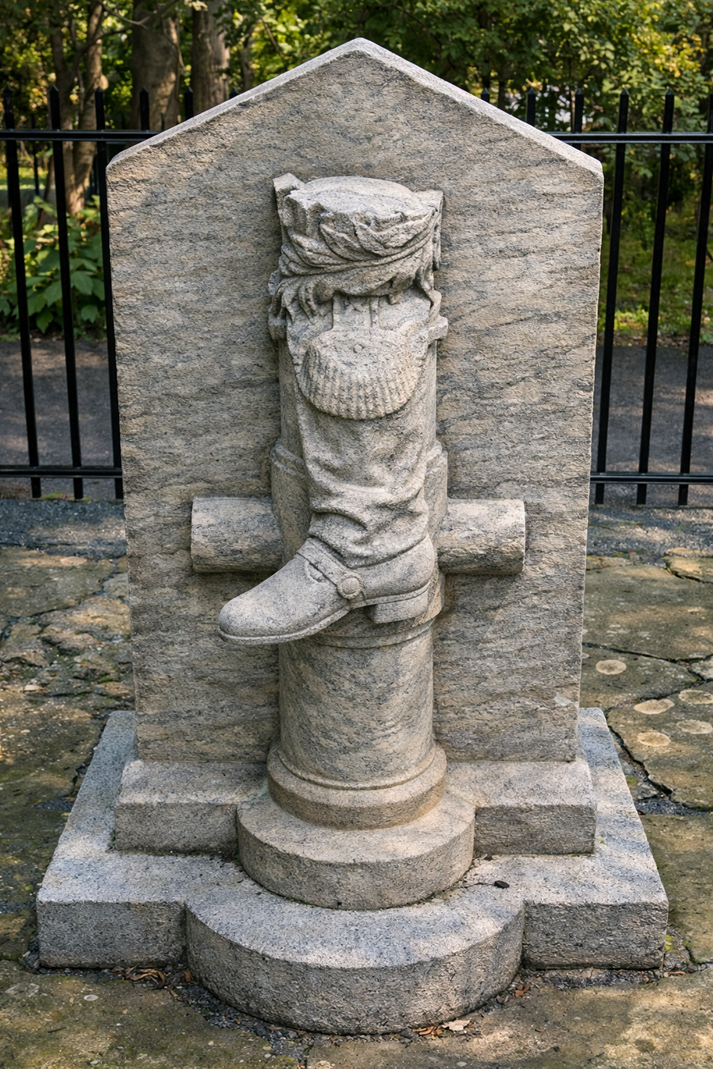
That unnamed hero is Benedict Arnold—a man remembered as one of the most skilled American generals of the Revolutionary War… and also as America’s most famous traitor.
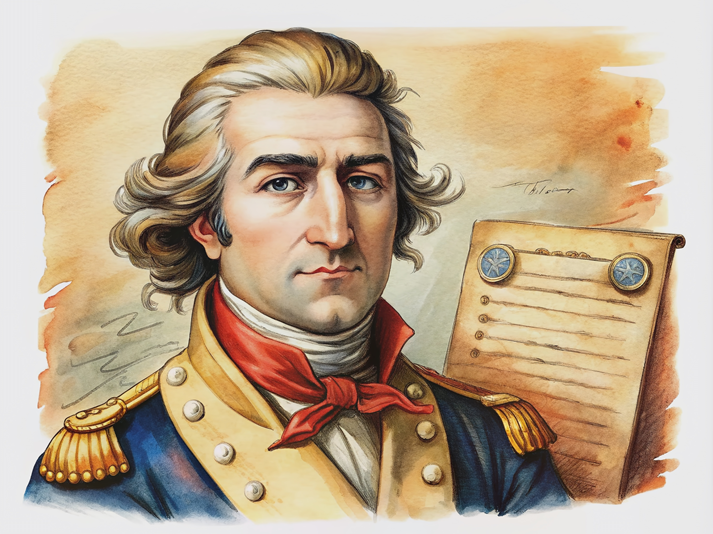
Today, you’ll read two different accounts about Benedict Arnold. As you read, pay close attention to what each author chooses to include, how events are described, and how Arnold is portrayed. Then, you’ll compare and contrast the two presentations of the same historical events.
Article 1: A Brilliant but Troubled Soldier
Benedict Arnold was one of the most daring officers in the Continental Army. From the beginning of the American Revolution, he showed bold leadership and fearless determination.
In 1775, Arnold helped capture Fort Ticonderoga from the British. Although he argued with other officers about command, his quick action helped secure an important victory for the Americans.
Later, Arnold joined an expedition to Canada. The campaign failed, and Arnold was wounded, but George Washington recognized his courage and promoted him to brigadier general.
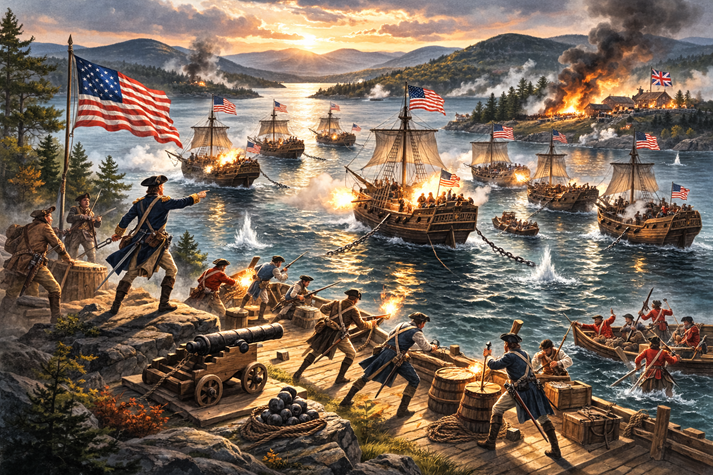
Arnold played a key role in slowing British forces at Lake Champlain by building a small fleet of ships. Although the American ships were eventually destroyed, the delay gave Washington valuable time to strengthen his army.
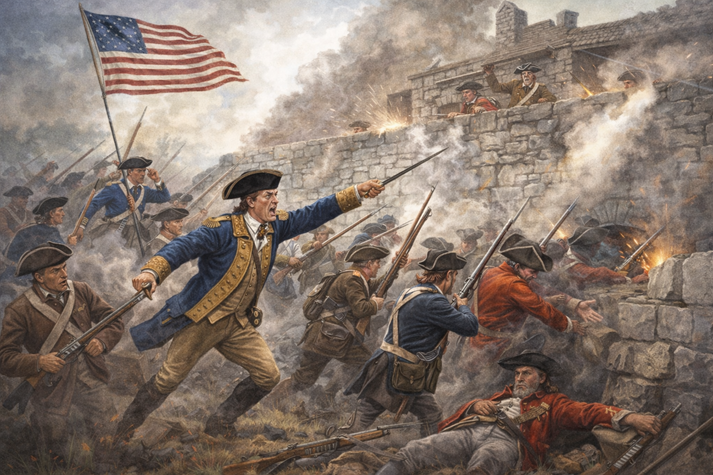
At the Battle of Saratoga in 1777, Arnold again demonstrated bravery. Even after being ordered to stay out of the fight, he rode onto the battlefield and led American troops in a crucial attack. He was severely wounded in the leg during the battle.
Despite his contributions, Arnold often felt overlooked and underappreciated. Other officers were promoted ahead of him. He faced accusations of misconduct, though some charges were dismissed.
In 1780, Arnold agreed to surrender the American fort at West Point to the British in exchange for money and a position in the British Army. When the plot was discovered, Arnold fled to British lines.
Although he had once been considered a hero, his name became forever linked with betrayal.
Article 2: The Man Who Chose Betrayal
Benedict Arnold began the Revolutionary War fighting for American independence. However, his temper, pride, and desire for recognition repeatedly caused conflict.
During the capture of Fort Ticonderoga, Arnold argued fiercely over leadership. After the victory, official reports minimized his role due to disputes with fellow officers.
Arnold’s military career continued to be marked by controversy. He was accused of misusing supplies and using his position for personal benefit. While not all charges were proven, his reputation suffered.
At Saratoga, Arnold disobeyed orders from his superior officer and charged into battle without permission. Though his actions contributed to the American victory, they also showed his unwillingness to follow orders.
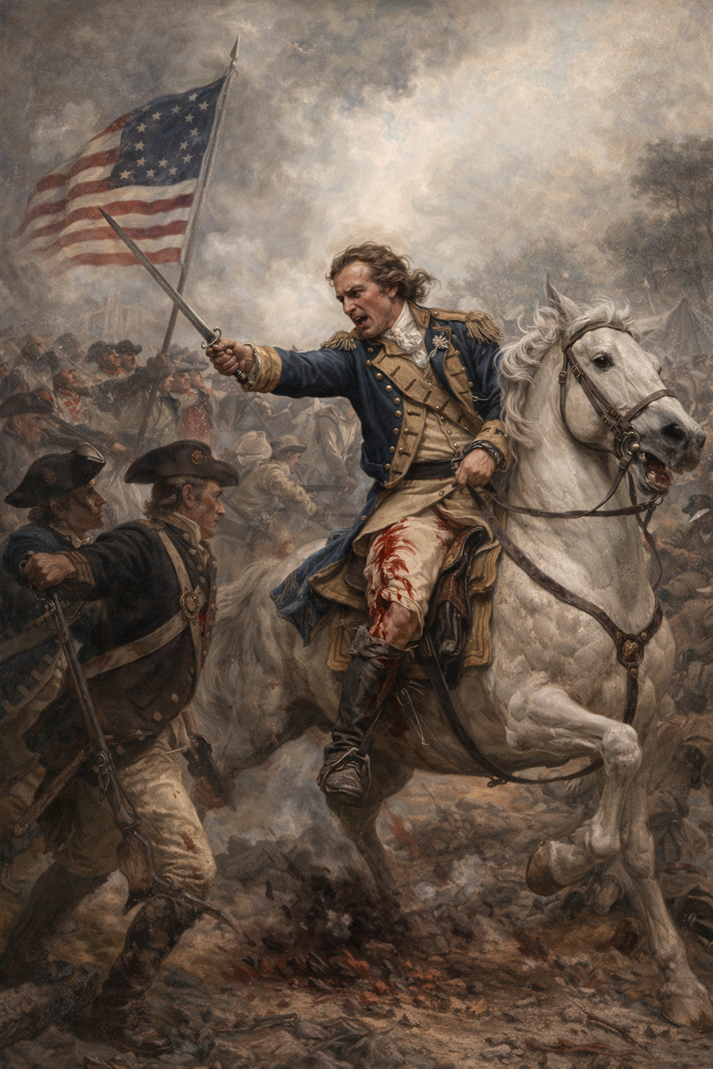
After being wounded, Arnold grew increasingly bitter. He married Peggy Shippen, who had Loyalist sympathies. Facing mounting debt and resentment, Arnold secretly negotiated with British officials.
He agreed to surrender West Point, a critical American fort, in exchange for 10,000 pounds and a military commission in the British Army.
When American soldiers captured British officer John André carrying documents signed by Arnold, the plot was exposed. Arnold escaped to a British ship and formally joined the British Army.
From that moment on, his name became a symbol of treason in American history.
Compare and Contrast: What Changed?
Both articles describe the same major events.
Fort Ticonderoga
Lake Champlain
Saratoga
West Point
But the presentation is different.
Article 1
Emphasizes bravery and military skill.
Describes wounds, sacrifices, and recognition from Washington.
Suggests Arnold felt unappreciated.
Article 2
Highlights conflict, pride, and disobedience.
Focuses on accusations and personal motives.
Frames his actions as betrayal driven by bitterness.
Same person. Same events. Different emphasis.
Quick Check Quiz

Well done!
Head to the Got It? section to read a third article on Benedict Arnold.

Supplies
Suggested Reading


 FAVORITE
 Like
Like