Sign Up
School Account Sign Up

Lesson ID: 13315
You already know to call 9-1-1 in an emergency, but what happens after you dial the number? Learn about the emergency response system and your responsibility. What you know could save someone's life!




Who Do You Call for Help?
Imagine you see smoke rising from a nearby house or someone suddenly collapses on the sidewalk.
In those moments, every second matters. You grab your phone, your heart pounding.
Most people know to call 9-1-1—but do you know who answers, what happens behind the scenes, and how this simple three-digit number became the key to saving lives?
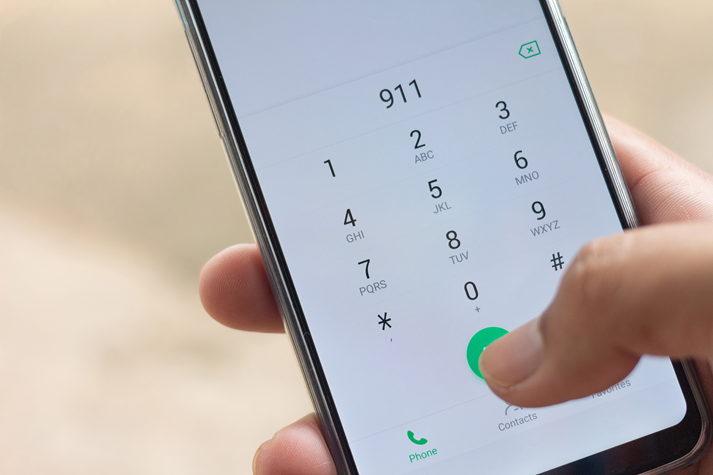
Call 9-1-1!
You already know to call 9-1-1 in an emergency, but what happens after you dial? The story of 9-1-1 began before cell phones and the internet—back when phones had cords and rotary dials.

In the 1950s, there was no single number to call for help. Every city, sometimes every neighborhood, had its own police and fire numbers. If you didn’t know the right one, you’d waste precious minutes figuring it out.
To fix this, President Lyndon B. Johnson’s administration in the 1960s supported creating one easy-to-remember number for emergencies.
Engineers at AT&T chose 9-1-1 because it was short, quick to dial, and distinct from other numbers.
You have probably never used an old rotary phone. Watch the video below to see how slow it was to dial a phone number.

The first 9-1-1 call was made in 1968 in Haleyville, Alabama, and from there, it spread across the nation. Today, nearly everyone in the U.S. can reach help with those three simple digits.
Fun fact: other countries have their own emergency numbers—999 in the U.K. and 112 in many parts of Europe.
When to Call 9-1-1
Here are the situations where you should call 9-1-1.
What Happens When You Call 9-1-1
When you dial 9-1-1, your call goes straight to a dispatcher—a trained professional who coordinates police, fire, and medical responses.
Dispatchers ask four key questions.
Where is the emergency?
What happened?
When did it occur?
Who is involved?
As you’re answering, your dispatcher is already alerting emergency teams. Fire trucks, ambulances, or police cars might be on their way before you’ve even finished your first sentence.
Staying calm helps the dispatcher send the right help faster. Speak clearly, follow directions, and never hang up until you’re told to.
Even kids who can’t remember their address can save a life if they stay on the line and follow instructions.

Modern 9-1-1: Tech to the Rescue
Today’s 9-1-1 systems are smarter than ever. Cell phones automatically send your location using GPS, and in many areas, you can even text 9-1-1 if calling isn’t safe.
But this new technology also brings challenges—like making sure your exact location is found in seconds, even if you’re using a voice-over-internet (VoIP) app or have a weak signal.
Engineers and dispatchers work constantly to make sure that no matter where you are, help finds you.
Next Step
Now that you know how 9-1-1 works, you can share this life-saving knowledge. Whether it’s teaching younger siblings when to call or helping an adult stay calm in an emergency, knowing what to do can make all the difference.
Head to the Got It? section next to test your knowledge and see if you can decide when to call and when not to!

Supplies:
Additional Resources


 FAVORITE
 Like
Like