Sign Up
School Account Sign Up

Lesson ID: 13084
Step into ancient Athens and discover how ordinary people first demanded a voice in their government, shaping democracy as we know it today.




Power to the People: Democracy Begins
Imagine being handed a pebble and told it could decide whether your city goes to war, raises taxes, or builds new roads.
In ancient Athens, this was real life. Citizens didn’t just watch politics from the sidelines—they were the government.
From Aristocrats to Revolution
At first, Athens was ruled by aristocrats—wealthy landowners who held nearly all the power.
Ordinary people farmed, worked, and paid taxes but had little say in their future. Aristotle later wrote that the masses were treated like serfs, living under bitter injustice.
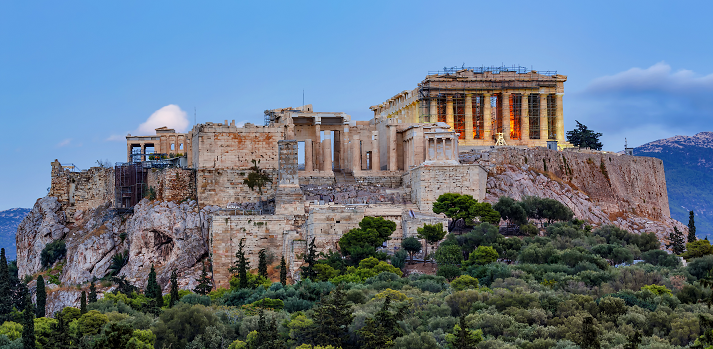
But around 508 BCE, Athenians rose up in revolution. They chased the rulers into the Acropolis, held them under siege, and forced them to surrender.
This was a turning point. For the first time in recorded history, ordinary people seized power for themselves. What came next would change the world.
Enter Cleisthenes: The Architect of Democracy
Cleisthenes, once an aristocrat himself, returned from exile with a new vision. Instead of replacing one ruler with another, he created a bold system: rule by the people.
On a rocky hillside near the Acropolis, a great meeting place was carved out. Here, rich and poor citizens alike could gather to debate and vote.
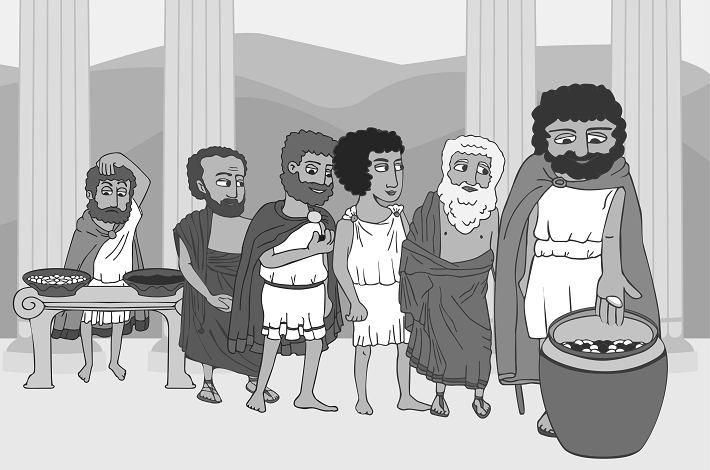
No swords, no kings—just voices and pebbles. White meant “yes,” black meant “no.” It was simple, but revolutionary.
How It Worked: Direct Democracy
Athens invented what we now call direct democracy. Unlike modern representative systems, Athenians didn’t elect leaders to decide for them—citizens decided for themselves.
The Assembly (Ecclesia): Any male citizen could attend, speak, and vote on laws, taxes, and war. Meetings were held several times a month, often drawing thousands.
The Council of 500 (Boule): This smaller group set the agenda. Members weren’t elected—they were chosen by lottery (called sortition) to prevent corruption and keep power in the hands of ordinary citizens.
Juries and Magistrates: Citizens served by lot here too. Huge juries—sometimes hundreds strong—decided legal cases.
Elections: Rare! Only roles requiring skill, like generals, were chosen by election. Everything else came down to the luck of the draw.
Who Could Participate?
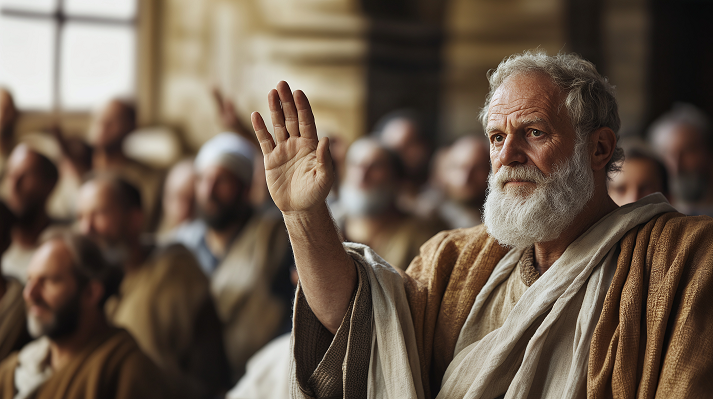
It’s important to note that Athenian democracy wasn’t open to everyone. Women, enslaved people, and foreigners were excluded.
That meant only about 10–20% of Athens’ population actually participated. Still, for its time, it was a groundbreaking expansion of power.
The Spirit of Athenian Democracy
For Athenians, civic duty wasn’t a privilege—it was a responsibility. Citizens were expected to take part, whether in the assembly, the council, or a jury. Being active in government was part of being a good citizen.
This new system unleashed creativity. Freed from rule by aristocrats, Athens became a center of art, theater, architecture, and philosophy.
Democracy didn’t just give people a voice; it gave them confidence that their voices mattered.
Democracy Then and Now
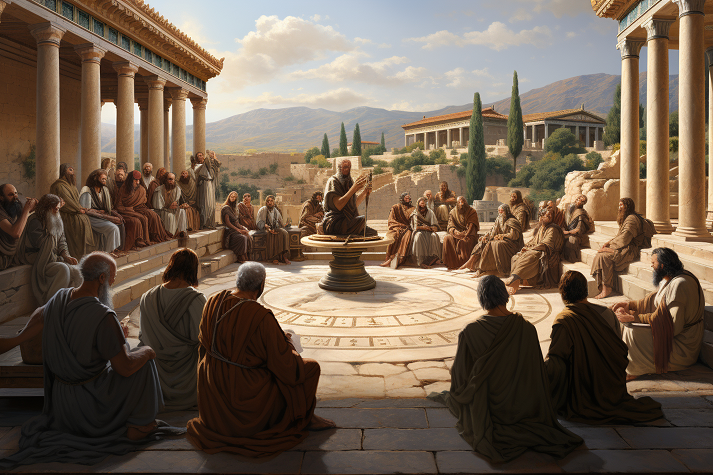
Today, most democracies are representative, meaning that people elect leaders to act on their behalf. But the Athenian system reminds us that democracy can take many forms.
Modern governments still incorporate some Athenian ideas, such as juries and assemblies, while other aspects—like choosing leaders by lottery—continue to spark debates even today.
And while Athens excluded many groups, modern democracies strive to include everyone, protecting freedoms such as expression, assembly, and equal suffrage.
Moving Forward
You’ve just explored how a city of farmers and traders pioneered one of the most powerful ideas in history: that ordinary people should rule themselves.
Next up, put your new knowledge to work in the Got It? section, testing your understanding of how Athenian democracy functioned—and how it compares to democracy today.

Supplies
Additional Resources
Suggested Reading


 FAVORITE
 Like
Like