Sign Up
School Account Sign Up

Lesson ID: 12914
Can you tell a solution from a salad? Discover what makes a mixture and learn how scientists un-mix the mixed!




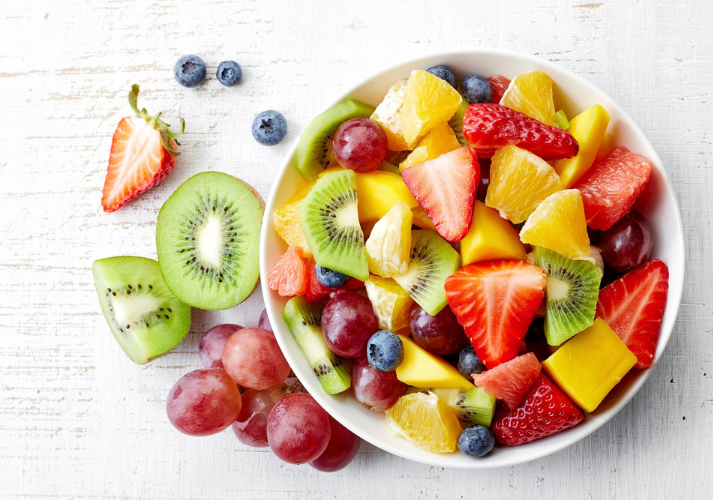
Each ingredient—like banana slices, blueberries, or yogurt—retains its own properties, even when all tossed together. That’s a perfect example of a mixture!
Get ready to unravel the secrets of combinations, from chunky to completely blended.
What Is a Mixture?
In science, a mixture is made from two or more substances that are not chemically joined.
Each part of the mixture keeps its own identity and properties. You can often separate the parts without a chemical reaction, just like picking different colored candies out of a bowl.
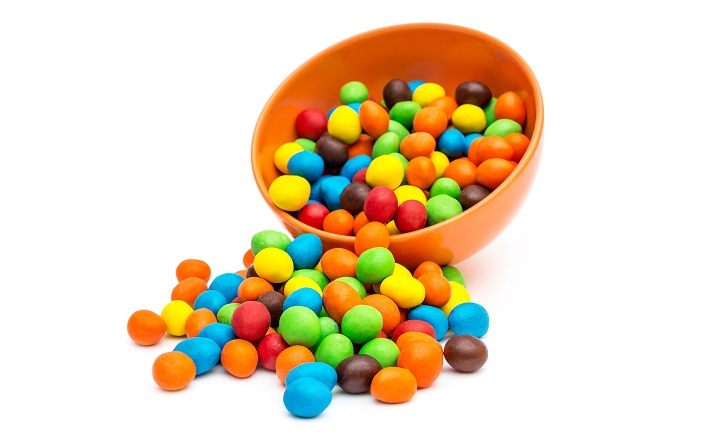
Examples of Mixtures
Fruit salad – You can easily see and separate the fruit pieces.
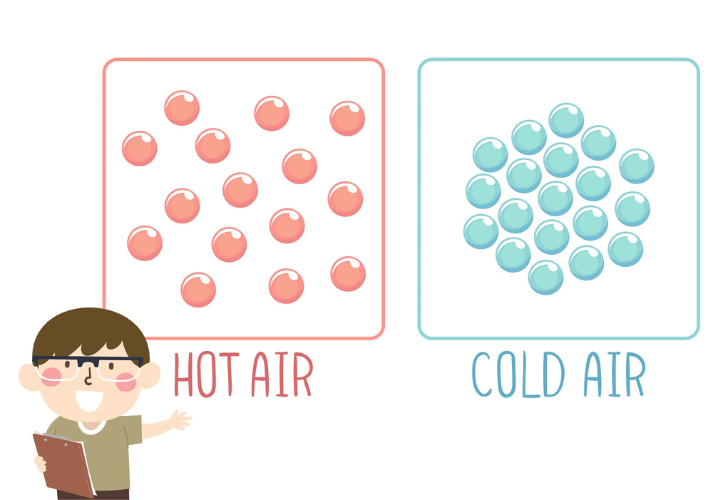
Air – A mix of gases like oxygen, nitrogen, and carbon dioxide.
Seawater – Contains water, salt, and other dissolved minerals.
Mixtures come in two main types.
Heterogeneous mixtures have visibly distinct parts, such as chocolate chip cookies or soil. The substances don't blend evenly.
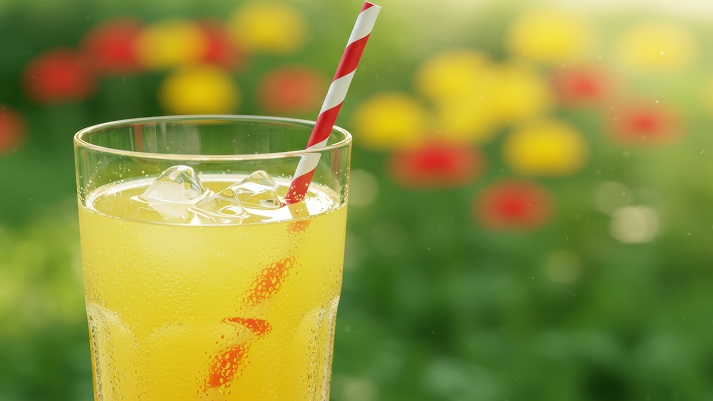
Homogeneous mixtures, also known as solutions, consist of components that are uniformly distributed, such as salt water or lemonade. You can't easily distinguish one part from another.
Mixtures vs. Compounds
A compound is different from a mixture because the substances are chemically bonded and can only be separated by chemical reactions. Here's a quick comparison.
|
Feature |
Mixture |
Compound |
|---|---|---|
|
Composition |
Variable: can change proportions. |
Fixed: exact ratio of elements. |
|
Chemical Bonds |
Substances are not chemically joined. |
Elements are chemically bonded. |
|
Properties |
Each part keeps its own properties. |
Has new properties different from the elements. |
|
Separation |
Easy physical separation (e.g., magnet, filter). |
Requires chemical reactions to separate. |
|
Examples |
Salad, air, seawater |
Water (H?O), carbon dioxide (CO?), table salt |
Case Study: Iron and Sulfur
Mix powdered iron with powdered sulfur, and you get a mixture—you can separate the iron using a magnet.
But if you heat them together, they form iron sulfide, a new compound. Now, the magnet won't work, and the properties have completely changed!
How to Unmix a Mixture: Separation Techniques
Because mixtures are not chemically bonded, their components can be separated using physical methods. The right method depends on what's being separated.
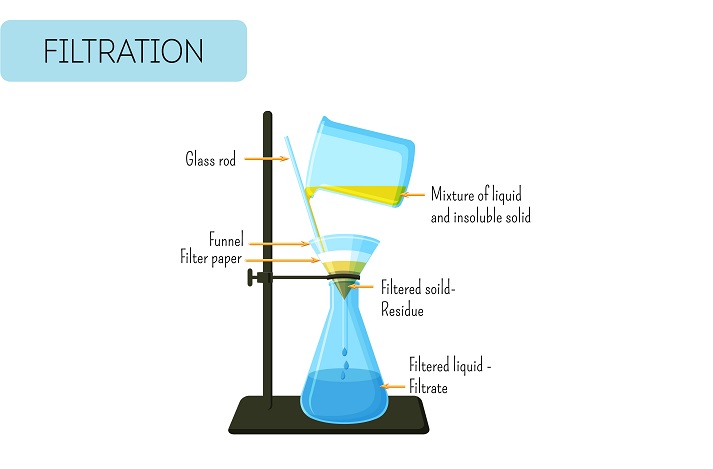
Filtration separates an insoluble solid from a liquid. If you pour a mixture of sand and water through filter paper in a funnel, the water passes through, but the sand stays behind.
It's a quick and easy way to purify or isolate parts of a mixture.
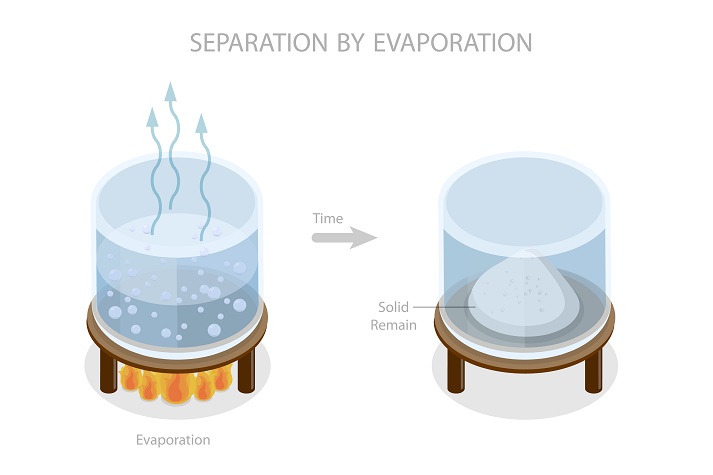
When a soluble solid is dissolved in a liquid—like salt in water—you can heat the mixture until the water evaporates. What's left behind? Beautiful salt crystals!
This technique is useful when you don't need to keep the liquid.
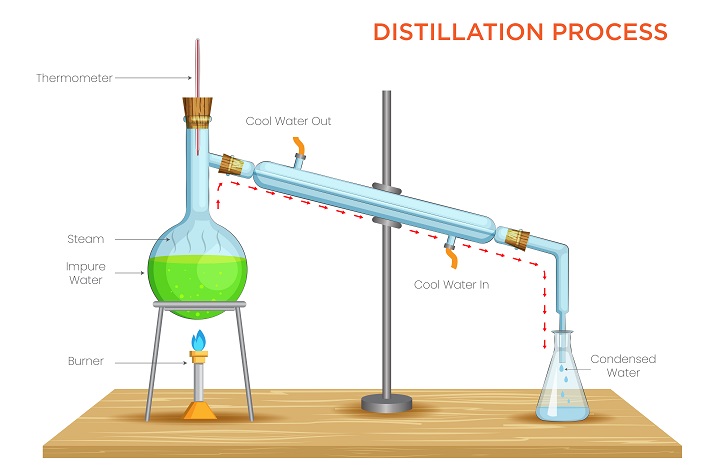
Sometimes, you want both parts of a solution. In simple distillation, such as separating water from salty water, the mixture is heated until the water vaporizes. That vapor is cooled and collected, while the salt stays behind.
This process is used to purify liquids.
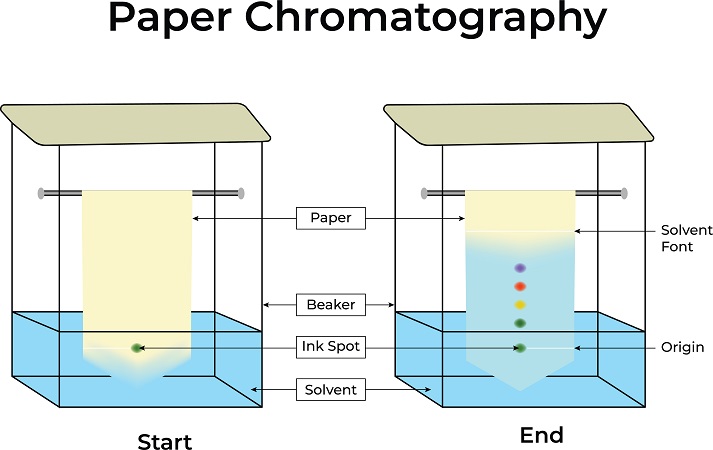
Used to separate dissolved colored substances, chromatography works on paper. A drop of ink is placed on a line near the bottom, and the paper is set in water. As the water travels up the paper, it pulls different dyes at different speeds, spreading them into separate bands.
You've probably seen this technique in marker experiments or forensic labs!
Now that you understand what mixtures are and how they can be taken apart, it's time to put your knowledge to the test.
Head to the Got It? section to see what you remember—and how well you can spot the right way to separate a mixture!

Supplies
Additional Resources


 FAVORITE
 Like
Like