Sign Up
School Account Sign Up

Lesson ID: 12882
Turn rough drafts into strong writing by learning how to revise, improve ideas, and fix what doesn’t work.




Make It Better, Not Just Done: The “I’m Finished” Trap
You finish writing. You look at your work. You think, “Done.”
But here’s the truth: first drafts are almost never your best work.
Even professional writers revise. Athletes rewatch plays. Gamers retry levels. Improvement doesn’t happen by stopping—it happens by adjusting.
Revision is where your writing goes from “okay” to “actually impressive.”
What Does Revision Really Mean?
Revision is not just fixing spelling or grammar.
Revision means:
Editing fixes mistakes.
Revision improves the writing itself.
Both matter—but revision comes first.
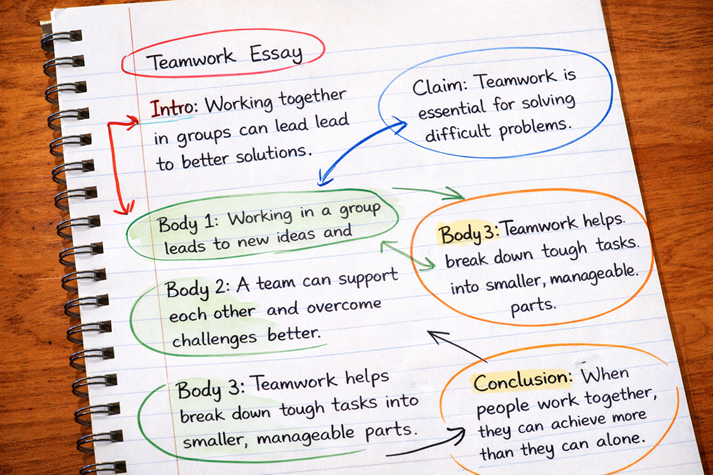
Step 1: Check Your Big Ideas First
Before worrying about small details, look at the big picture.
Ask yourself:
If your ideas aren’t clear, fixing commas won’t help.
Example:
Before: This essay discusses teamwork and other topics.
After: This essay shows how teamwork helps people solve problems they could not solve alone.
The second version is focused and clear.
Step 2: Strengthen Your Body Paragraphs
Look closely at each paragraph.
Check:
Weak paragraph:
The character is brave. The character does things. This shows bravery.
Revised paragraph:
The character shows bravery by standing up to the bully, even when they feel afraid. This shows that bravery means taking action despite fear.
Notice the difference? More detail, clearer explanation, stronger writing.
Step 3: Improve Your Introduction and Conclusion
Your beginning and ending should work together.
Check your introduction.
Check your conclusion.
If your ending feels weak or rushed, your whole essay feels unfinished.
Step 4: Make Your Writing Clear and Smooth
Now focus on how your writing sounds.
Ask:
Fix:
Example:
Before: The character was scared. The character ran. The character was scared again.
After: The character, filled with fear, ran quickly, showing just how intense the moment was.
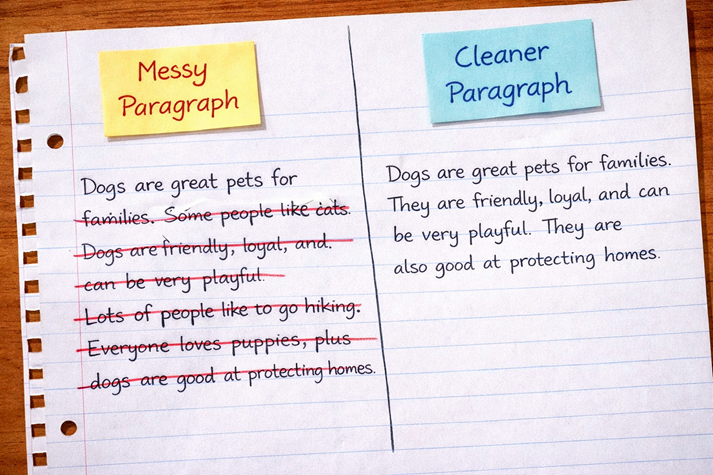
Step 5: Cut What Doesn’t Belong
Good writers don’t just add—they remove.
Look for:
If it doesn’t help your main idea, it needs to go.
Think of it like cleaning your room—less clutter makes everything clearer.
Step 6: Edit Last
After revising your ideas, fix the small stuff.
Check:
Reading your work out loud helps you catch mistakes your eyes might miss.
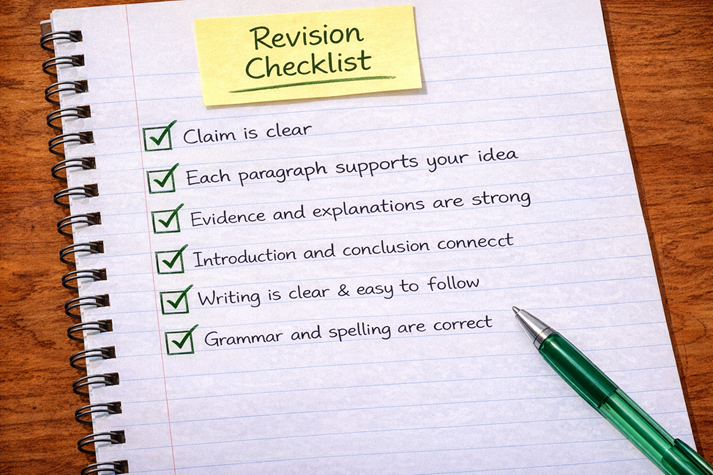
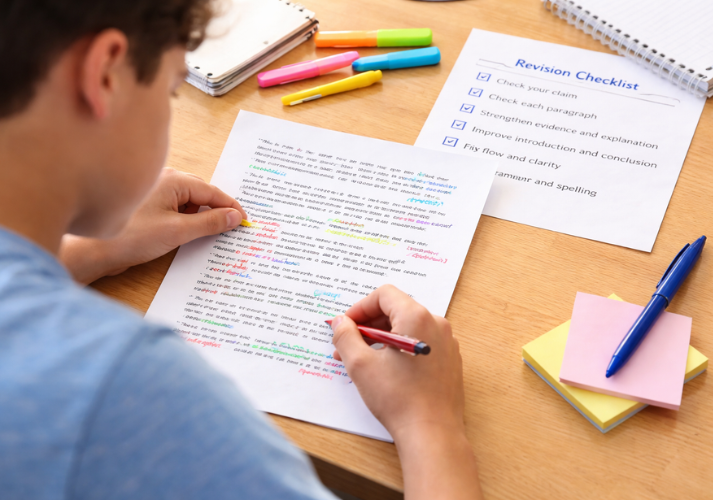
Your Revision Checklist
Before you finish, make sure:
From Rough Draft to Final Draft
Revision turns your writing into something stronger, clearer, and more powerful.
It’s not about starting over—it’s about improving what you already created.
You now know how to improve your writing in every way.
Next, it’s time to practice revising real writing so you can spot what needs improvement and fix it like a pro.

Supplies
Additional Resources



 FAVORITE
 Like
Like