Sign Up
School Account Sign Up

Lesson ID: 12835
Discover how plants create new life with spores, cones, and flowers—nature’s clever blueprint for survival!




Where Do Baby Plants Come From?
Of course not! But plants still manage to make more of themselves—and they’re surprisingly clever about it.
From colorful petals to sticky pollen and even sweet smells, plants use all kinds of tricks to grow the next generation.
Some plants pop out tiny spores that float away with the wind. Others grow seeds inside tough cones.
Flowers! These aren’t just pretty—they’re high-tech baby-plant factories, built to attract pollinators and protect seeds until they’re ready to grow.
Take a look inside and see how this silent, flowery teamwork actually works.
The Science of Plant Reproduction
Plants can reproduce in a few different ways, but flowering plants (called angiosperms) are the real stars of the show.
Their flowers contain all the parts needed to create seeds—tiny plant packages just waiting to sprout.
But not all plants use flowers. In fact, some don’t even use seeds! Let’s break down the three main methods plants use to make more plants.
Type 1: Spore-Based Reproduction
Ferns, mosses, and some other ancient plants don’t grow flowers or seeds. Instead, they release spores—tiny, dust-like cells that can grow into new plants all on their own.
These plants usually live in moist, shady areas where spores can land on damp soil and start growing.
Spores are simple but powerful. They help spread new plants quickly, but since they come from just one parent, they are exact copies (clones), meaning no genetic variety.

Type 2: Cone-Based Reproduction
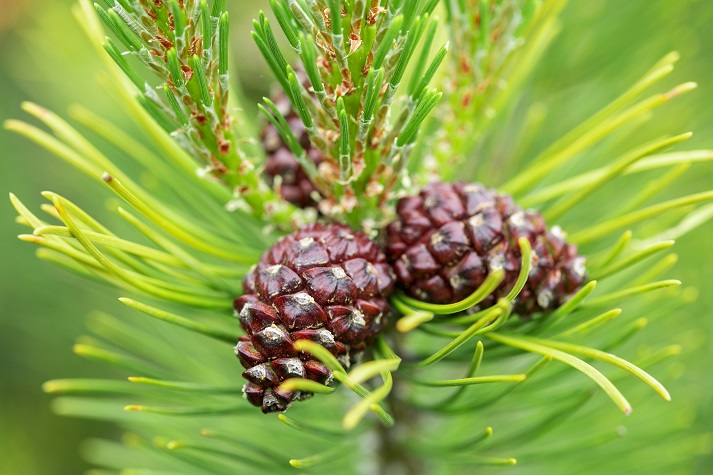
Gymnosperms (like pine, spruce, and fir trees) grow cones instead of flowers.
These plants use seeds, but they don’t grow them inside fruits. Instead, their seeds develop on the surface of a female cone.
Here’s how it works.
Male cones produce pollen, which the wind carries to female cones.
The pollen fertilizes the eggs inside the female cone.
Once fertilized, a seed begins to grow, protected by the cone’s scales.
This method is more advanced than spores and allows for genetic diversity, but it relies on chance—like whether the wind carries the pollen to the right place!
Type 3: Flower-Based Reproduction (Angiosperms)
Now for the most colorful and complex option—flowers!
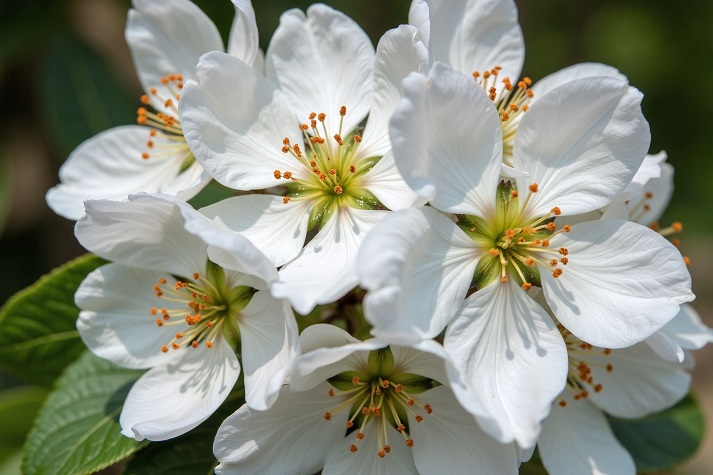
Most plants you see in gardens, forests, and fields reproduce this way. Flowers have special parts that protect the developing seed and often attract pollinators to help.
Take a closer look at the parts that help flowers do their amazing job.
Male Parts (Stamens)
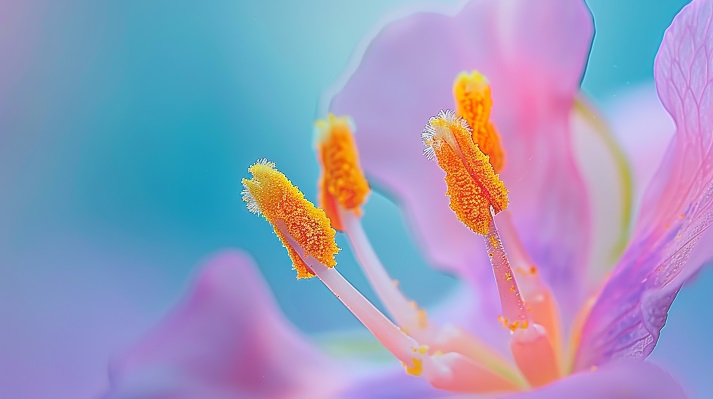
Anther: This is the pollen maker! It’s the fuzzy tip of the stamen that produces and releases pollen grains (the plant’s version of male cells).
Filament: A thin stalk that holds up the anther, kind of like a flagpole holding a pollen flag.
Together, the anther and filament make up the stamen—the male part of the flower.
Female Parts (Carpels or Pistil)
Stigma: The sticky top that catches pollen during pollination. If pollen lands here, it’s game on!
Style: A long tube that connects the stigma to the ovary. Once pollen lands on the stigma, it travels down this tube.
Ovary: Located at the base of the pistil, the ovary holds the ovules (eggs). After fertilization, the ovules become seeds and the ovary often turns into a fruit.
All three parts—stigma, style, and ovary—form the carpel (or pistil if carpels are fused together), which is the flower’s female structure.

Extra Flower Parts That Help
Petals: These colorful parts grab attention! They attract pollinators like bees, butterflies, and birds with their color, patterns, and scent.
Sepals: These small, leaf-like parts protect the flower before it blooms. Together, all the sepals form the calyx.
Receptacle: This is the base of the flower that connects it to the stem. It holds everything together like the flower’s foundation.
Peduncle: The stalk that supports the entire flower.
Each part works together to make pollination, fertilization, and seed production possible. It’s like a teamwork machine designed for life to keep going!
Why Reproduction Matters
No matter the method—spores, cones, or flowers—plant reproduction keeps plant species alive and thriving.
Seed-based reproduction allows for genetic diversity, which helps plants survive disease, weather, and change. Spore-based plants can spread quickly, and flowering plants get help from the animal world.
Each strategy works in a unique way!
Up Next: Test Your Knowledge!
Now that you’ve got the big picture, it’s time to zoom in on reproduction parts and processes.
In the Got It? section, review what you’ve learned and test your skills with a quiz and a fun activity. Get ready to grow your plant brain!

Supplies
Additional Resources


 FAVORITE
 Like
Like