Sign Up
School Account Sign Up

Lesson ID: 12812
Learn how your shoulders and hips let you spin, twist, and move freely with the help of ball-and-socket joints!



Can Your Arm Do This?
Try spinning your arm in a big circle.
Now swing it forward like you're throwing a ball
Next, reach behind your back like you're scratching an itch.
Whoa—look at that movement! Your arm can move in almost every direction. But how?
The answer is a super cool joint in your body called a ball-and-socket joint—and it’s the reason you can throw, spin, reach, swing, and hug. Find out how it works and where to find it in your own body—starting now!
What Are Joints Again?
A joint is the place where two bones meet. Joints help your body move, bend, twist, and stretch. Without them, your bones would be stiff and stuck.
There are different types of joints, and each one moves in a special way. Some only go back and forth (like a hinge joint), while others—like the ball-and-socket joint—let you move all around!
Meet the Ball-and-Socket Joint
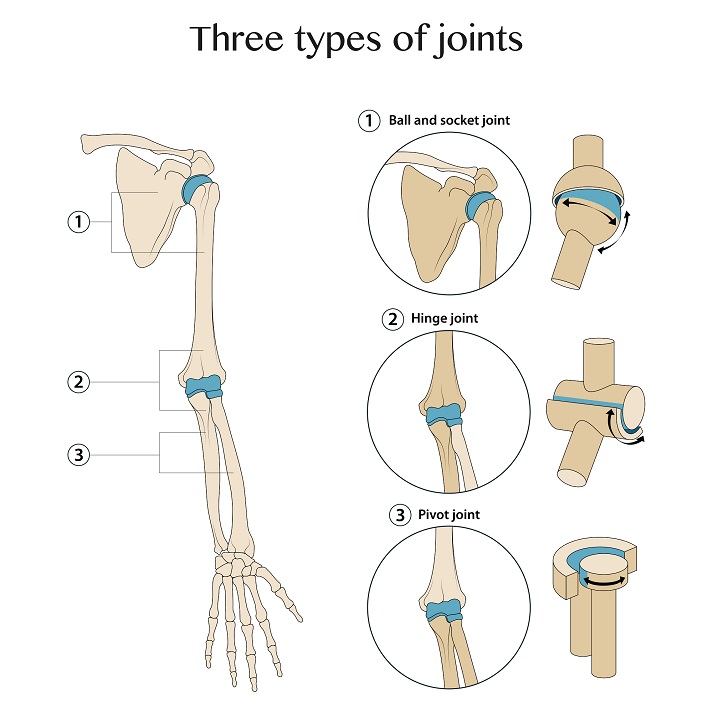
A ball-and-socket joint is made up of two parts.
A ball-shaped end of one bone
A socket, or cup-shaped part, on the other bone
The ball fits into the socket like a puzzle piece, and that design lets it rotate and move in many directions.
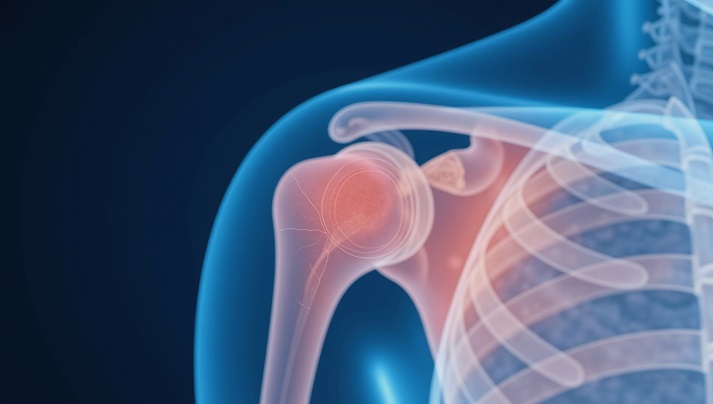
Think of it like this.
The ball is your arm bone (humerus).
The socket is part of your shoulder blade (scapula).
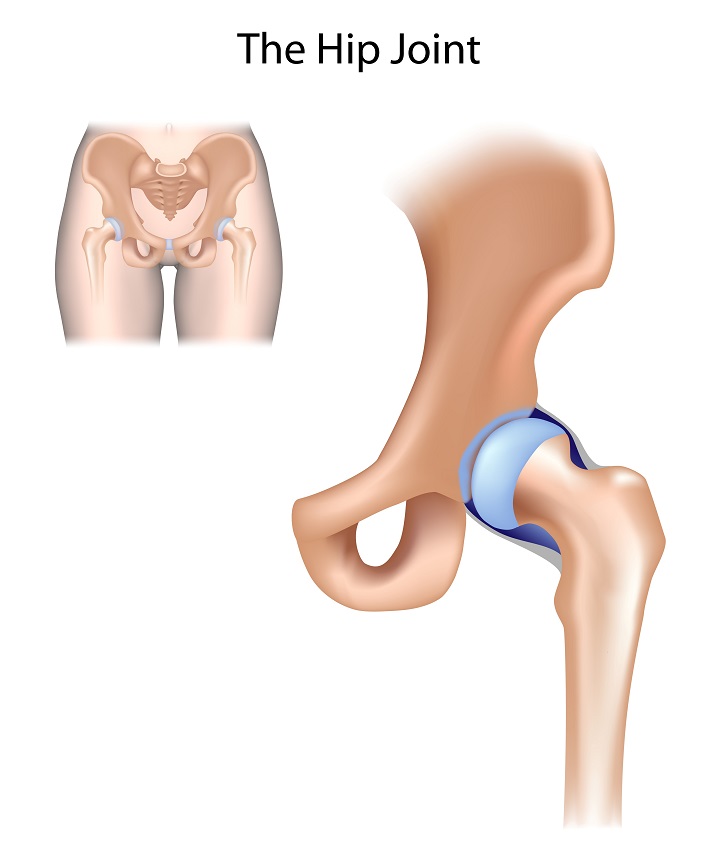
Together, they form the shoulder joint, and guess what? Your hip works the same way!
Move in Every Direction!
Your ball-and-socket joints are special because they let you:
Swing your arms like windmills.
Kick a soccer ball.
Reach over your head.
Do jumping jacks.
Throw and catch.
Sit “criss-cross applesauce."
Try doing a circle with your shoulder and your hip. That smooth spinning? That’s the ball-and-socket joint in action!

Why This Joint Is a Big Deal
Without ball-and-socket joints, you’d only be able to move forward and back—no twisting, no reaching behind you, and no cool dance moves!
These joints help you play sports, tie your shoes, wave hello, and do just about anything that involves big, wide movement.
Now that you know how these joints work and where to find them, it’s time to practice what you’ve learned with some fun activities. Get moving to the Got It? section!

Supplies



 FAVORITE
 Like
Like