Sign Up
School Account Sign Up

Lesson ID: 12697
Vaccines are more than shots—they’re science, safety, and sometimes strong opinions. Explore how they work and decide what you think!




Your Body’s Backup Plan
Imagine a world where your body meets a disease for the first time—every time. Each illness would be a battle your immune system might not be prepared to win.
Now imagine this: your immune system has a cheat sheet. It knows the invader’s face, has studied its weaknesses, and is ready with a defense before the first attack.
That’s what vaccines are designed to do—help your immune system train for future battles.
Let’s break it down.
What Is a Vaccine, Really?
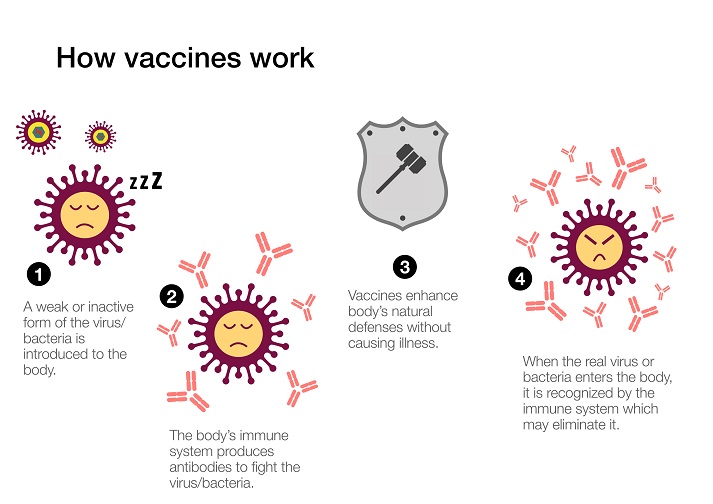
Vaccines are biological preparations that train your immune system to recognize and fight specific germs, without making you sick.
They introduce either a tiny, safe part of a virus or bacteria (like a protein or inactive form) so that your immune system learns what to look out for.
Once your immune system has this information, it remembers the threat. So, if the real version ever appears later, your body is ready to respond quickly and effectively.
Types of Vaccines: Not All Created Equal
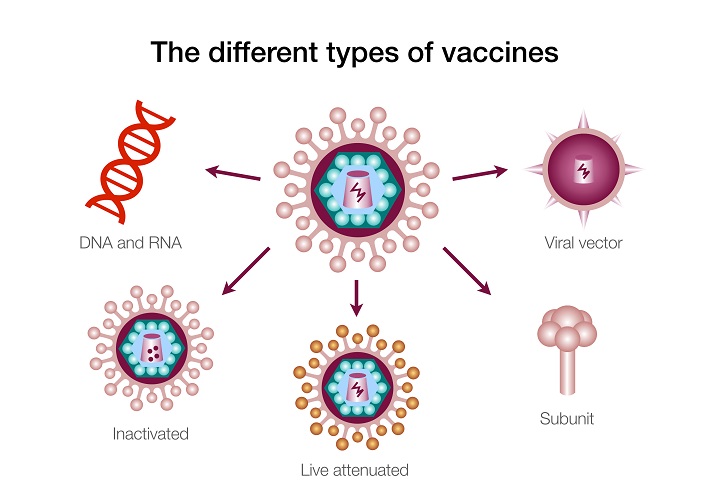
There’s more than one way to teach the immune system. Scientists use different types of vaccines depending on the disease.
Live Attenuated Vaccines – Contain a weakened form of the virus or bacterium. These create strong immunity with just one or two doses. However, they’re not safe for individuals with weakened immune systems.
Example: Measles, Mumps, Rubella (MMR)
Inactivated Vaccines – Use a killed version of the germ. They can’t cause illness, but may require several doses.
Example: Polio, Tetanus
Subunit or Component Vaccines – Only parts of the germ are used (like a protein), which reduces side effects.
Example: Hepatitis B, HPV
mRNA Vaccines – A newer type that teaches your cells to make a harmless piece of the virus, triggering an immune response. These vaccines are based on RNA (a close relative of DNA) and are part of a broader group of vaccines that use genetic instructions to help your immune system learn what to fight.
Example: Some COVID-19 vaccines
Why Some People Say “Yes” to Vaccines
Vaccines have played a huge role in public health. Diseases like smallpox and polio once paralyzed or killed thousands each year—now they’re nearly gone in many countries.
Doctors point to major wins.
Vaccines have added 30 years to the average human lifespan.
14+ diseases are now preventable through routine childhood vaccines.
They help protect people who can’t be vaccinated, like newborns or those with health conditions, through herd immunity

Why Some People Hesitate
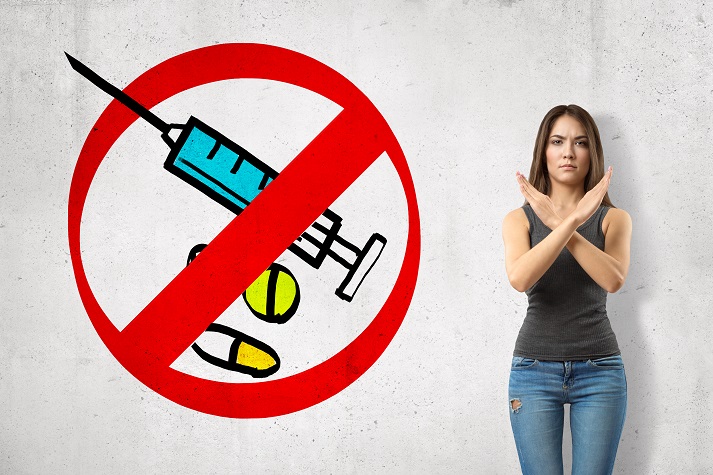
Some families are concerned about vaccine safety, side effects, or ingredients. These concerns often come from personal experiences, cultural beliefs, or a desire to make fully informed decisions.
Here are some of the most common concerns.
Side Effects
Most side effects are mild, like swelling or a low-grade fever.
Serious side effects do exist, but are very rare, such as allergic reactions or seizures.
Systems like VAERS and the Vaccine Safety Datalink track and investigate any reported issues to protect public health.
Ingredients
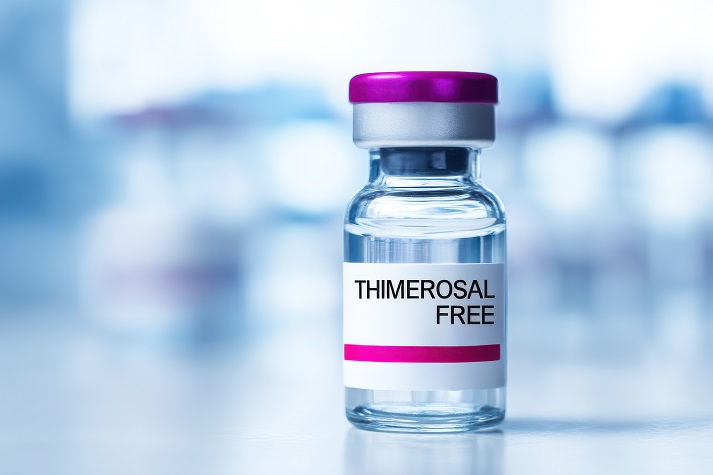
Some past vaccines used thimerosal, a mercury-based preservative. Today, thimerosal is no longer used in most vaccines except in small amounts in some flu vaccines.
Studies show that thimerosal has not been linked to autism or long-term harm.
Mandatory Vaccination
Some people believe parents should decide whether or not to vaccinate. Others believe schools and governments should require vaccines to prevent outbreaks.
This debate often centers around specific ideals.
Personal freedom vs. public safety
Individual health decisions vs. community responsibility
Trust in science vs. skepticism of large institutions

What Should You Believe?
Vaccines are a significant part of modern healthcare, and almost everyone has an opinion about them. But strong opinions shouldn’t replace solid understanding. That’s why it’s essential to look at the science, benefits, and concerns—all in one place—before forming your own view.
Recap what you’ve learned.
Vaccines train your immune system to recognize and fight diseases before they make you sick.
They’ve helped reduce or eliminate some of the most dangerous diseases in history.
Most vaccines are safe for most people, but like any medicine, they may cause side effects, which can range from mild to, in rare cases, serious.
Some people feel vaccination decisions should be personal. Others believe protecting a community sometimes requires shared rules.
The ingredients in vaccines—such as preservatives or genetic materials—are carefully studied. Some ingredients from the past, like thimerosal, have been reduced or removed. Still, they remain a concern for some families.
All these facts are real. Different people value them differently. That’s where your thinking comes in.
Now that you’ve explored the science, seen the reasoning behind both confidence and caution, and learned how vaccines work in your body, you have what you need to form your own evidence-based opinion.

Coming Up: Put Your Knowledge to the Test!
Next, practice what you’ve learned through a mix of questions and games that challenge your memory and understanding.
Head to the Got It? section to see what your immune system’s new “memory” has stored!

Supplies
Additional resources


 FAVORITE
 Like
Like