Sign Up
School Account Sign Up

Lesson ID: 12671
Follow the incredible journey of how one sperm and one egg unite to create new life, beginning the story of every human on Earth.




The Great Meeting: When Two Cells Become One
If you could shrink down to the size of a single cell, you’d find one of the most amazing races in nature—the moment when one tiny sperm cell meets an egg cell to create a brand-new human being.
It’s not just science—it’s life’s starting line!
Before that meeting can happen, two powerful systems have to do their jobs perfectly. The female reproductive system must release a mature egg, and the male reproductive system must send sperm cells on their daring journey.
When these two cells finally meet, the result is the first spark of human life—a process called fertilization.
Egg-cellent Timing
In humans, internal fertilization takes place inside the body. This keeps the developing embryo safe and protected.
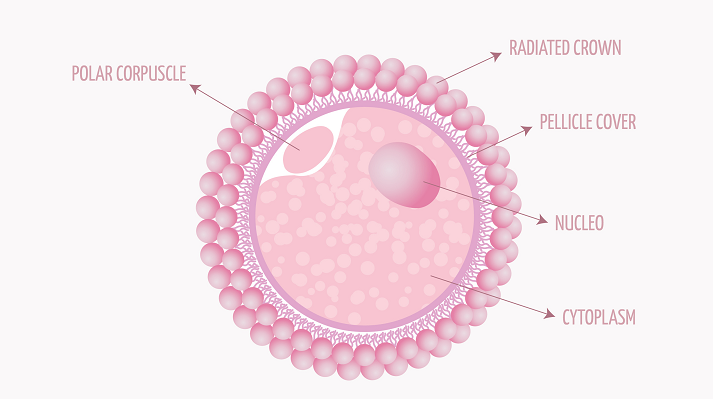
The process begins when an egg cell, also called an ovum, is released from one of the female’s ovaries during ovulation.
The egg travels down the fallopian tube, a thin passageway leading to the uterus. It doesn’t wait long—an egg can only survive for about 24 hours after being released. The clock starts ticking!
The Race of Millions
On the other side of this story, the male’s body releases semen, a fluid filled with millions of sperm cells.
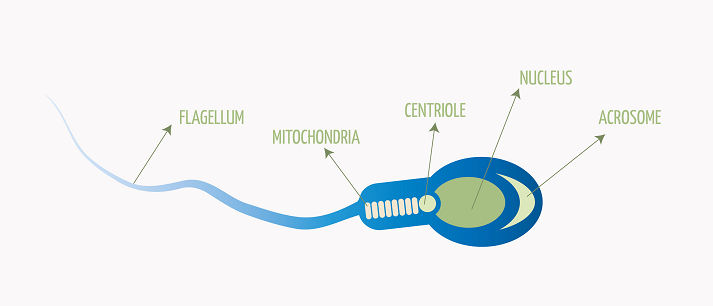
These microscopic swimmers are each equipped with a flagellum—a tiny tail that propels them forward. When semen is released into the vagina during sexual intercourse, sperm begin a long, challenging swim toward the fallopian tube, where the egg is waiting.
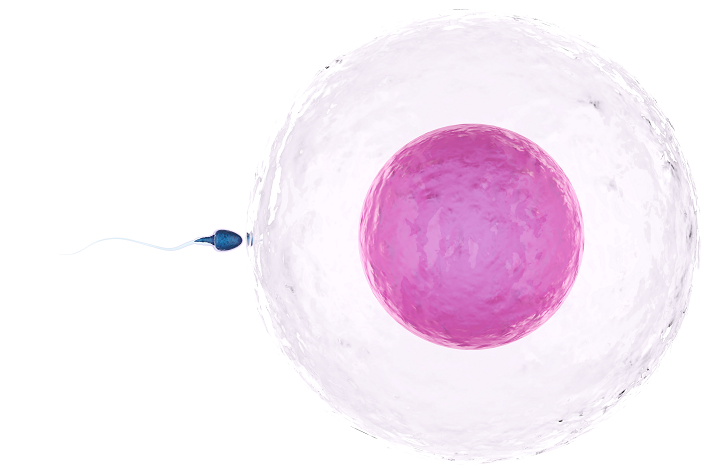
Only a few hundred sperm will even make it close to the egg. Of those, just one will complete the journey and break through the egg’s outer layer.
The Moment of Fusion
When one sperm cell finally reaches the egg, it uses enzymes—special chemicals on its surface—to help it burrow inside.
The moment it succeeds, the egg immediately forms a barrier that blocks any other sperm from entering. This guarantees that the egg joins with only one sperm cell.
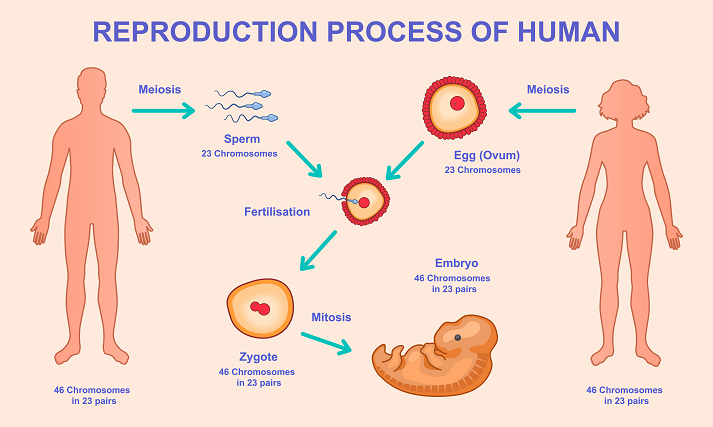
Inside the egg, something incredible happens: the genetic material from both the egg and the sperm combines.
The sperm brings 23 chromosomes, and the egg contributes another 23, for a total of 46 chromosomes—the complete genetic blueprint for a new human being.
This new cell is called a zygote—the very first stage of human life.
From One Cell to Billions
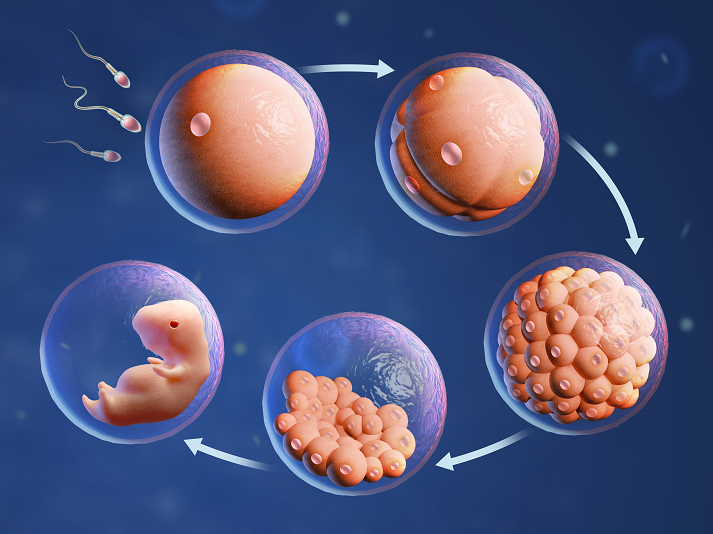
Once the zygote forms, it starts dividing rapidly through a process called mitosis. Within a few days, it develops into a tiny cluster of cells that travel toward the uterus.
Around five to seven days after fertilization, the zygote reaches the uterus and attaches itself to the thick lining inside. This process is called implantation, marking the beginning of pregnancy.
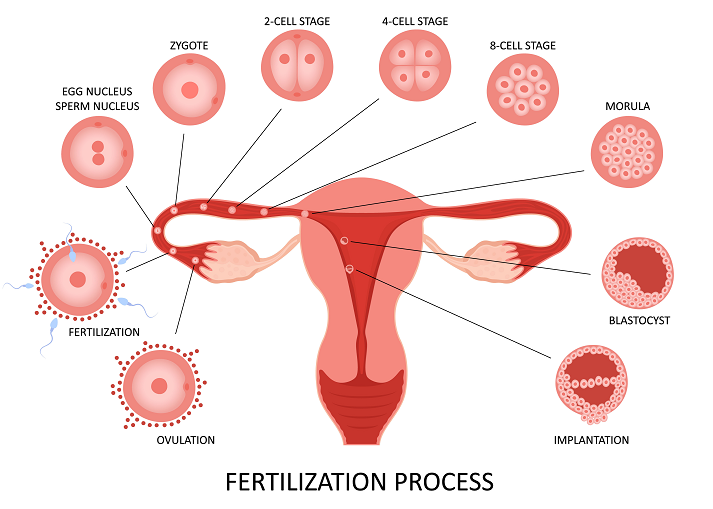
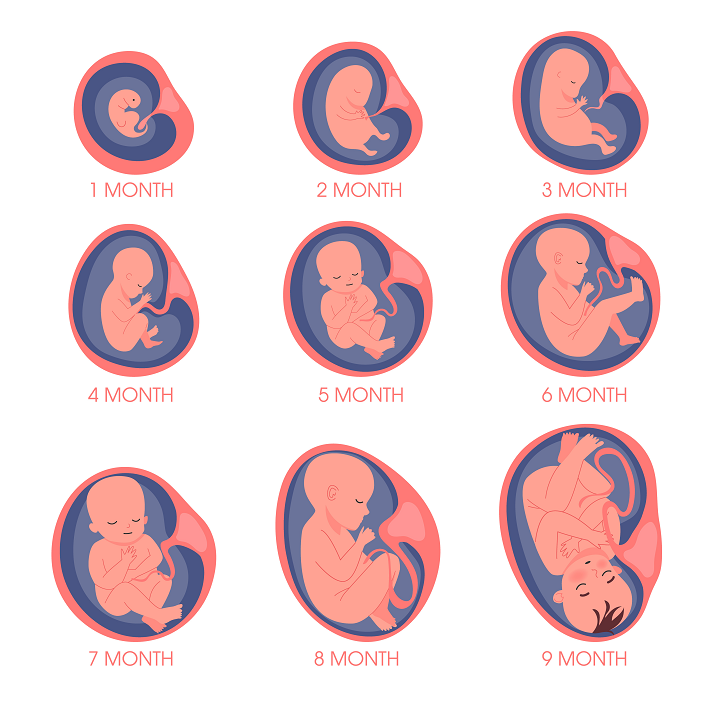
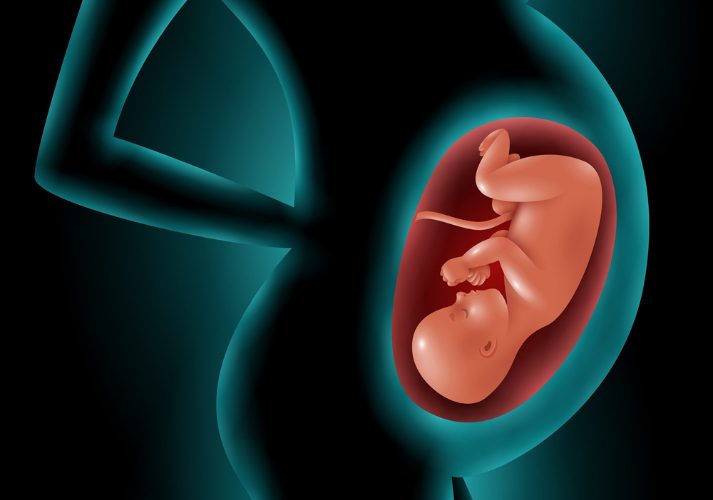
As the weeks go on, the cells begin to specialize and form tissues, organs, and body systems. The zygote becomes an embryo, and after about eight weeks of development, it’s called a fetus.
From there, the growing baby will stay protected in the uterus for roughly nine months, or about 40 weeks.
When Two Become Many: Twins and Beyond
Sometimes fertilization results in more than one baby!
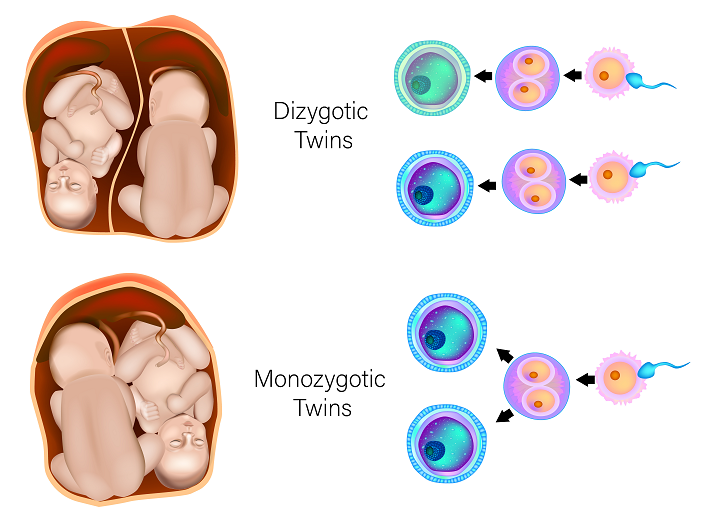
Identical twins (monozygotic) happen when one zygote splits into two early in development. These twins share the same genetic information.
Fraternal twins (dizygotic) happen when two separate eggs are released and fertilized by two different sperm. They are siblings who just happen to share a birthday!
When Nature Needs a Little Help
Some couples face challenges with fertility. When natural fertilization doesn’t occur, doctors can use medical technology to help.
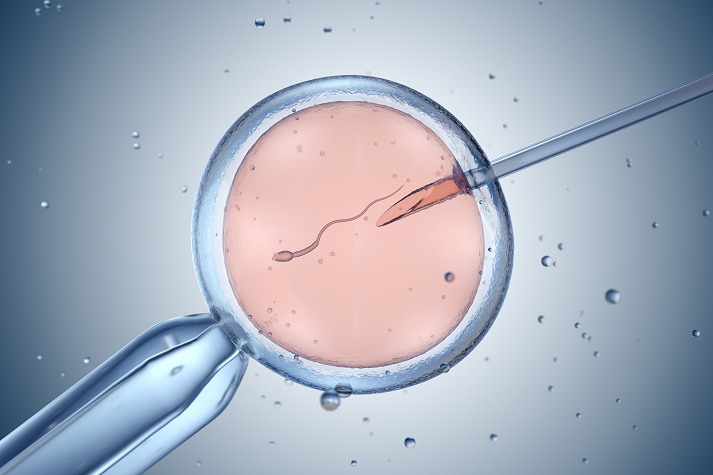
One common method is in vitro fertilization (IVF), which means “fertilization in glass.”
Here’s how IVF works.
Eggs are collected from the female’s ovaries.
Sperm from the male is added to the eggs in a lab, allowing fertilization to occur outside the body.
Once fertilized, one or more zygotes are placed into the woman’s uterus, where they can implant and grow normally.
IVF has helped millions of families around the world have children and shows how science can work alongside nature to support human life.
A Symphony of Science and Life
Fertilization is an extraordinary event that combines timing, biology, and chance. Every successful fertilization is the result of millions of microscopic steps working perfectly together—each cell knowing exactly what to do and when to do it.
From the release of an egg to the final implantation in the uterus, it’s a carefully choreographed process that marks the beginning of something truly amazing: the creation of life itself.
Next Up: Get ready to test your knowledge!
In the Got It? section, you’ll explore the steps of fertilization, follow the journey from sperm to zygote, and see how timing, teamwork, and science all come together to make new life possible.

Supplies
Additional Resources


 FAVORITE
 Like
Like