Sign Up
School Account Sign Up

Lesson ID: 12563
Explore climates around the world and discover how mountains, water, and sunlight shape deserts, forests, and more.




Chasing the “Perfect” Climate
Have you ever wished for the perfect weather? Not too hot, not too cold, not too dry, and not too wet?
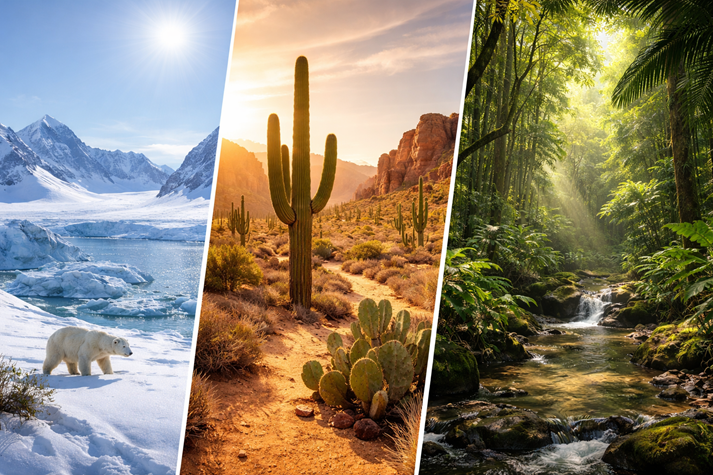
Here’s the twist: no single place on Earth has “perfect” weather all the time. That’s because different parts of the world have different climates.
So what exactly is climate—and why does it change from place to place?
What Is Climate?
Climate is the pattern of weather in a place over a long time. It includes things like:
The weather can change every day, but the climate describes what usually happens over many years.
For example:
That’s climate!
Why Do Climates Change Around the World?
Climate is not random. Several important factors work together to shape it.
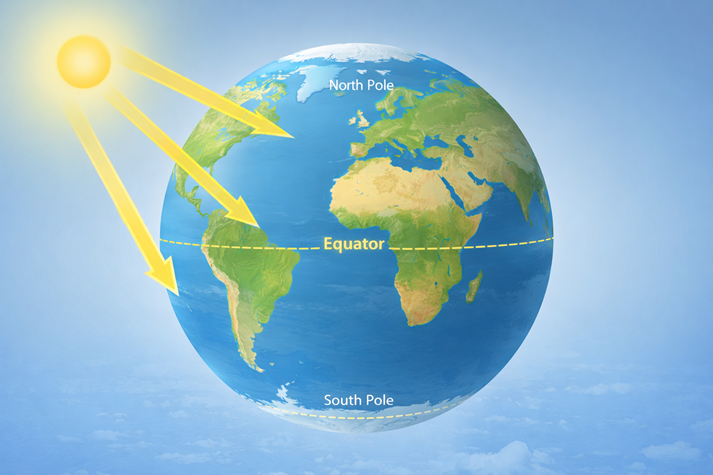
The equator is the middle of Earth. Places near it are usually hot.
Why? The sun’s rays hit these areas more directly, giving them more energy and heat.
Near the poles, the sun’s rays come in at an angle, so they spread out and don’t heat the land as much. That’s why the poles are cold.
Some places get lots of rain. Others barely get any.
Wind carries clouds filled with water. When those clouds hit mountains, something interesting happens:
This dry area is called a rain shadow. Deserts often form here.
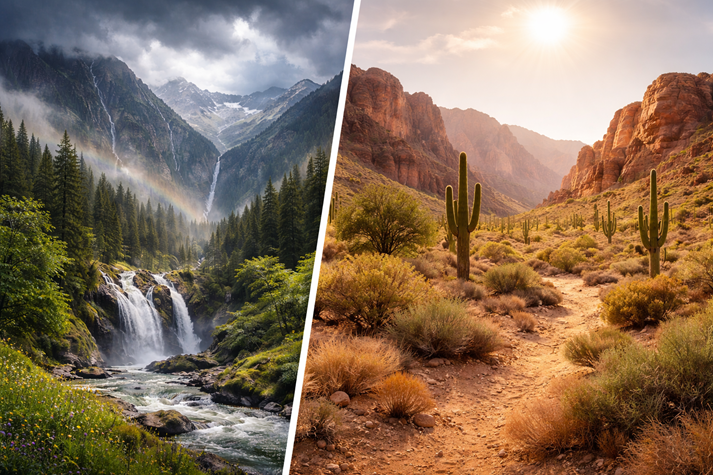
Mountains don’t just look cool—they change climate!
They can block rain, create dry regions, and even affect temperature.
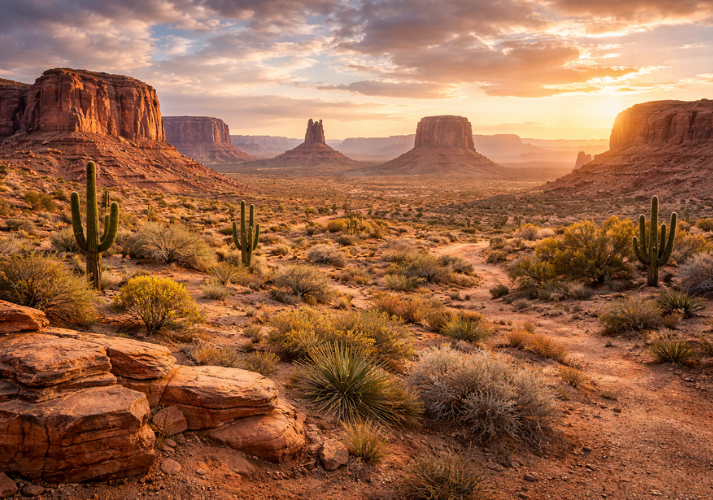
Landforms like mesas and buttes are common in dry regions like the Southwest. A mesa is a flat-topped hill, and a butte is a smaller version.
Large bodies of water, such as oceans, can warm or cool nearby land.
Water heats up and cools down more slowly than land. This helps nearby places have milder temperatures.
That’s why some places far north can still be warmer than expected if warm ocean currents flow nearby.
People also affect the climate.
Burning fuels like coal, oil, and gas releases gases into the air. These gases trap heat and can slowly raise Earth’s temperature.
Even small changes in temperature can cause big effects, like melting ice or changing weather patterns.
Exploring a Real Place: The Southwest
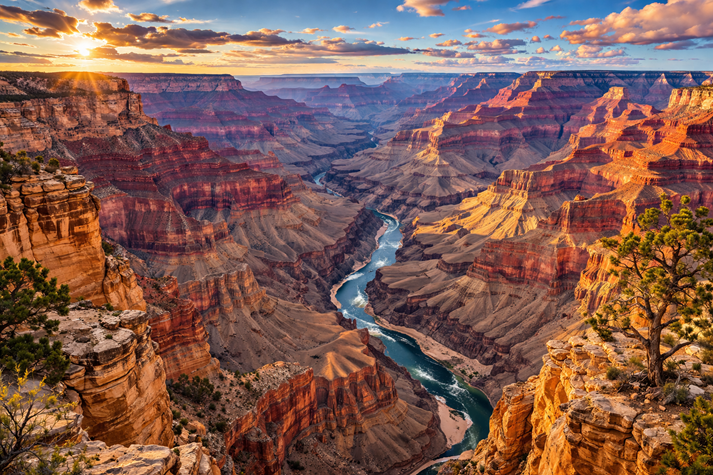
Now, imagine traveling to the southwestern United States.
This region includes states like Texas, Oklahoma, New Mexico, and Arizona.
It is known for:
One of the most famous places is the Grand Canyon. It stretches about 280 miles and was carved by the Colorado River over millions of years.
Water slowly wore away the rock, creating deep layers that show Earth’s history.
This region is also dry because of the rain shadow effect, which limits how much rain reaches the land.
Even though the climate can be harsh, the landscapes are some of the most amazing on Earth.
Wrapping It Up
Now you know that climate depends on:
Different combinations of these factors create deserts, forests, mountains, and more.
And that means no single “perfect” climate—but plenty of incredible ones to explore.
Get Ready to Try It Yourself
You just learned how climate shapes the world around you. Now it’s time to put that knowledge into action and see how much you really understand.

Supplies




 FAVORITE
 Like
Like