Sign Up
School Account Sign Up




Pop! Fizz! Clean?
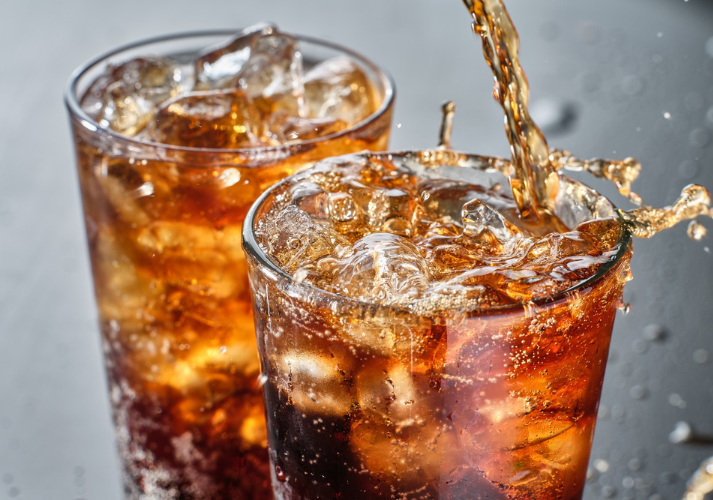
You probably already know soda is tasty and bubbly.
That’s right—your favorite fizzy drink is more than just a treat. It’s actually a super cleaner in disguise!
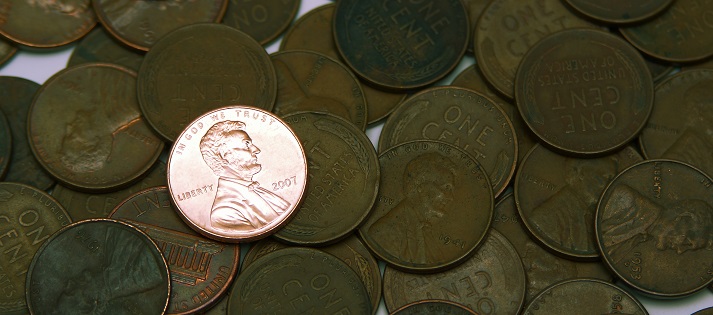
Imagine this: You pick up a penny from the sidewalk. It’s brown, dirty, and dull. Yuck! But after sitting in soda, that same penny comes out shiny like new.
It’s not magic—it’s science!
What Is an Acid?
Soda is a type of acid. Acids are special liquids that can break things down.
They’re not bad—but they are powerful!
Some acids are strong, like the ones in your stomach that help break down food. Others are gentle, like the ones in vinegar and lemon juice.
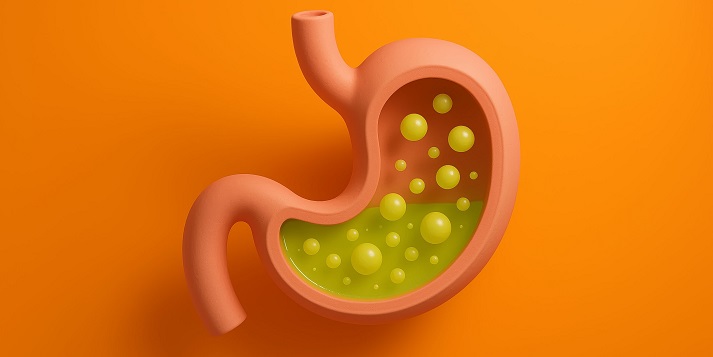
Soda is a gentle acid. That’s why it’s safe to drink—but it’s also strong enough to clean a penny!
Why Are Pennies Dirty?
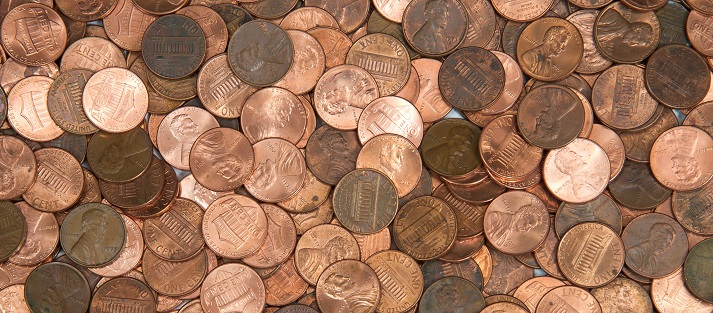
Pennies are made of metal, and over time, they get coated with something called oxidation.
That’s just a big word for the layer of gunk that forms when metal touches air and water. It’s what makes your pennies look brown and dull.
How Does Soda Help?
Soda can break through that dirty layer because of its acid.
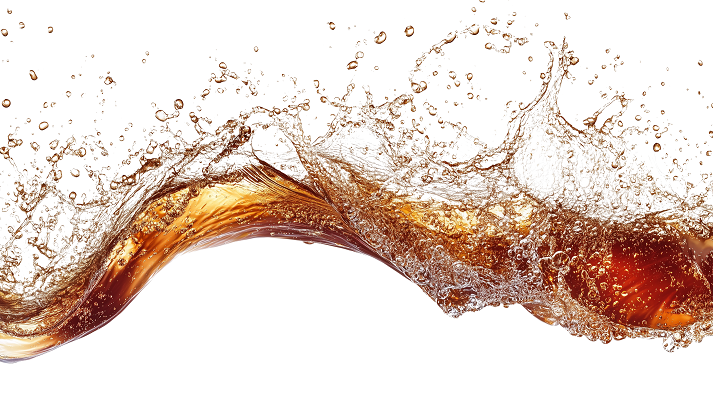
When a penny sits in soda for a while, the acid works like a mini scrubber. It breaks down the oxidation, and the shiny metal underneath starts to show!
Some sodas even have tiny bubbles called carbonation, which help loosen the dirt. The bubbles and acid team up to clean the penny without even needing to scrub.
Are There Other Acid Cleaners?
Yes! Vinegar and lemon juice are great examples.
You might even find other foods that act like cleaners, too. Some ketchup can polish metal, and even orange juice has some cleaning power!
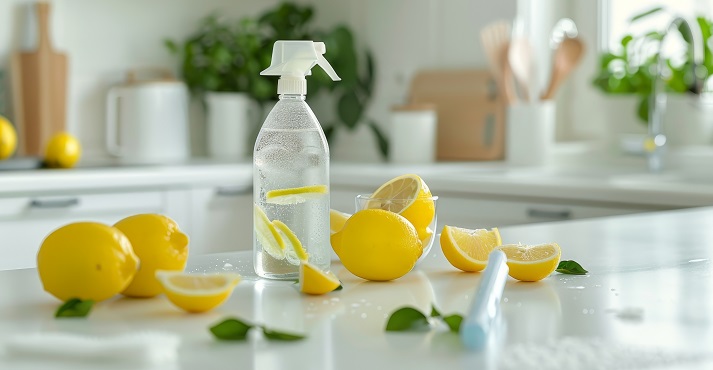
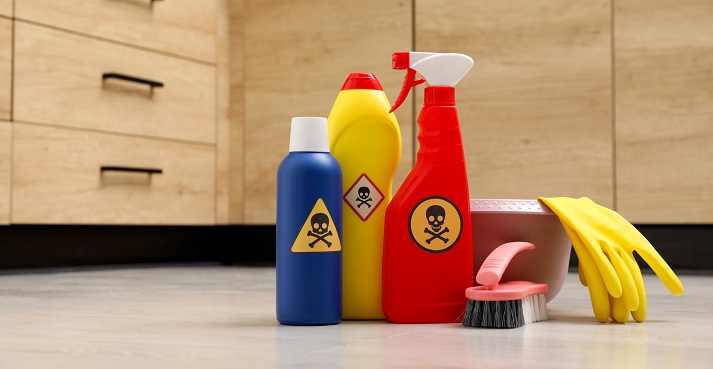
Just remember: not all cleaners are safe to taste.
Strong acids used for cleaning kitchens and bathrooms should never go near your mouth. But the mild ones—like soda and vinegar—are safe to explore in science.
Now, it’s time to see what you remember and try some fun science practice! Get ready to shine with your brain power in the Got It? section.

Supplies


 FAVORITE
 Like
Like