Sign Up
School Account Sign Up

Lesson ID: 12399
Boom! Discover how a stormed fortress sparked a revolution in France—then choose your own fun way to connect and create!




The Exciting Story of Bastille Day
Imagine waking up one morning to the sound of angry shouting, marching footsteps, and the distant boom of fireworks—but instead of celebrating with hot dogs and sparklers, people are storming a fortress!
This really happened in Paris, France, on July 14, 1789, and it changed the country forever. Every year since, the people of France have celebrated that day with food, fireworks, parades, and parties.
That’s because Bastille Day is like the French version of the Fourth of July!
Jump into history and find out what makes Bastille Day such a big deal.
A Birthday for a New France
A long time ago, France was ruled by a king named Louis XVI. He had lots of money, a fancy palace, and the power to do whatever he wanted.
But the regular people—especially farmers and workers—were tired, hungry, and angry. They had to pay high taxes while the nobles and clergy (the rich and religious leaders) got special treatment.
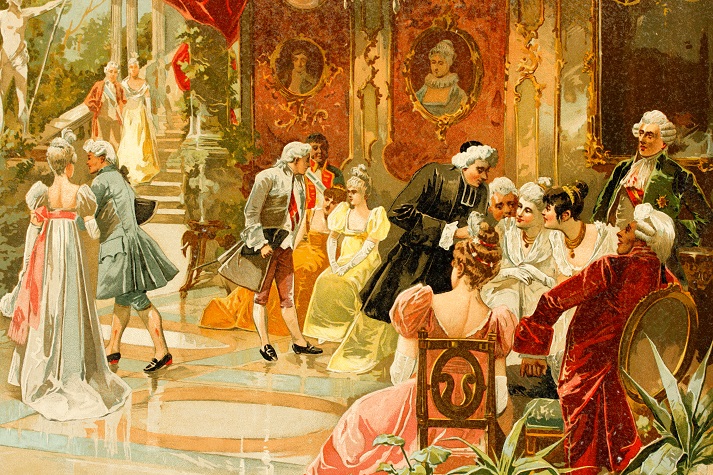
The people wanted change. They wanted fairness and a say in how things were run. So they formed a new group called the National Assembly to help make new rules.
But when the king sent soldiers into Paris and fired a popular leader named Jacques Necker, the people got scared. They thought the king was planning to stop the changes.
The Big Bad Bastille
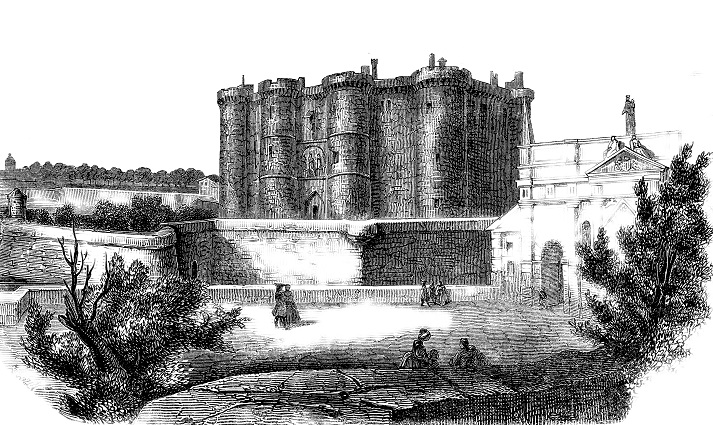
At the center of Paris stood the Bastille—a huge, gloomy stone fortress. It was used as a prison, but it had become a symbol of everything the people hated about the king's power.
Even though only seven prisoners were inside (and most of them were a bit odd—one thought he was Julius Caesar!), the people didn’t come just to set them free.
They came for gunpowder and weapons, which they needed to protect themselves and their new ideas. They had already taken thousands of muskets, and now they needed ammo!
A Revolution Begins
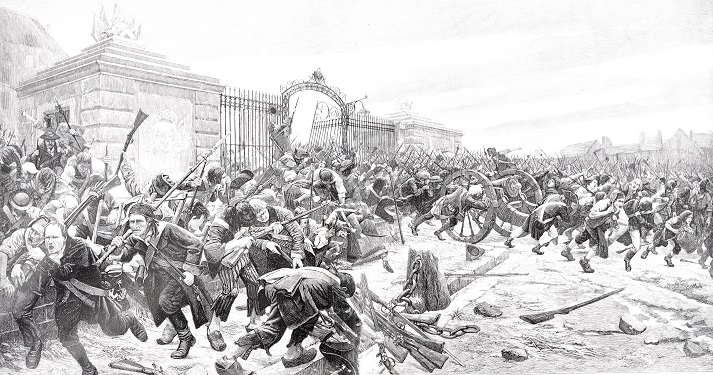
On the morning of July 14, 1789, a crowd of more than 800 Parisians marched to the Bastille. They asked for the gunpowder peacefully at first, but the guards opened fire when some people entered the first courtyard.
Soon, soldiers joined the crowd, and after a long and deadly fight, the fortress surrendered. The crowd stormed in, captured the governor, and tore the building apart.
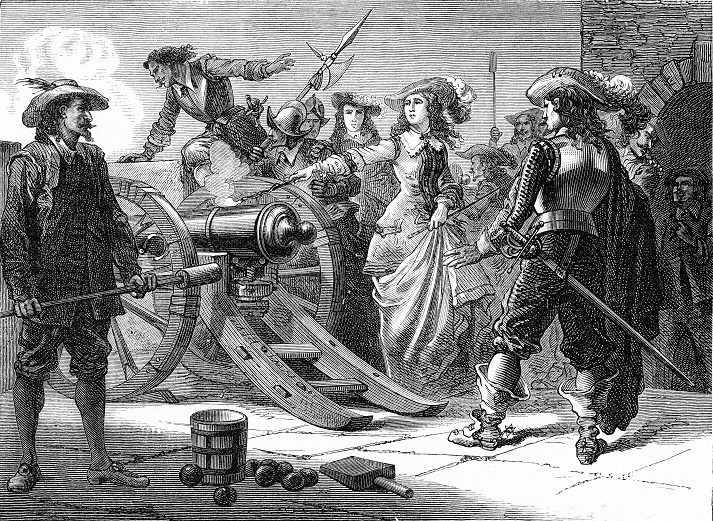
This powerful moment, called the Storming of the Bastille, marked the start of the French Revolution—a time when France changed from a monarchy (where the king had all the power) to a republic (where the people could vote and help make laws).
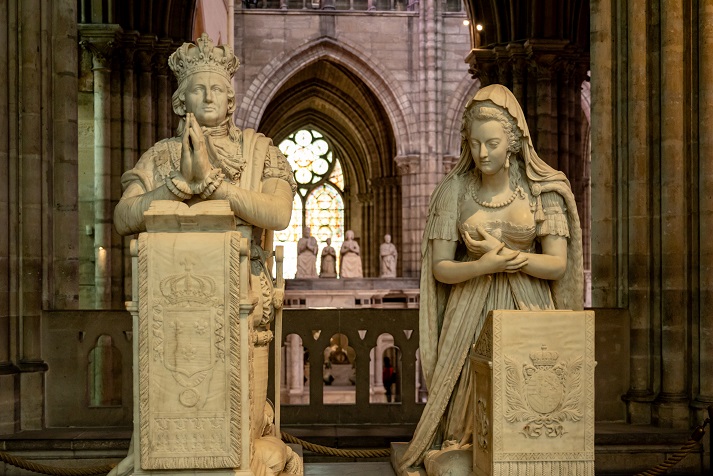
Eventually, King Louis XVI and Queen Marie Antoinette were arrested, put on trial, and sentenced to death. They were both executed by guillotine, becoming symbols of the end of royal rule in France.
A Celebration of Freedom
Just like Americans celebrate their independence on July 4, the French celebrate Bastille Day every July 14. They have parades, fireworks, concerts, and huge feasts.
In Paris, there’s a military parade down the Champs-Élysées and a spectacular fireworks show near the Eiffel Tower.
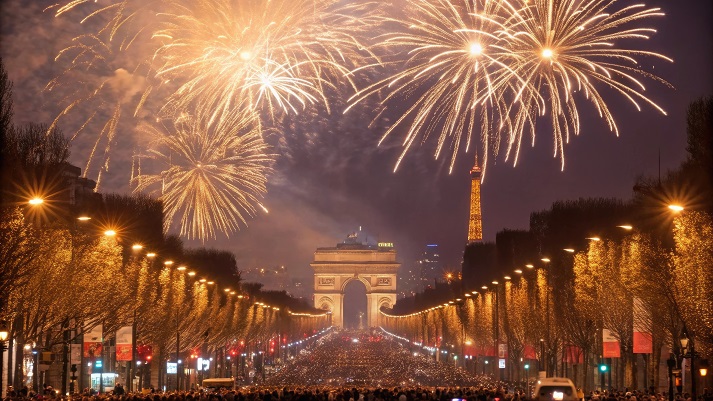
People around the world—even in places like New York and New Orleans—join in the celebration. It's a day to remember the power of the people and the importance of standing up for what’s right.
Ready to Test Your Knowledge?
Now that you’ve learned all about the exciting events of Bastille Day and why it matters, it’s time to show what you know!
Head to the Got It? section and get ready to answer some fun questions and practice what you’ve learned. Vive la liberté!

Supplies



 FAVORITE
 Like
Like