Sign Up
School Account Sign Up

Lesson ID: 12190
Push against the flow! Discover how cells use energy to move materials where they need them most.




Why Some Things Don’t Just “Spread Out”
Picture trying to walk against a crowd leaving a concert. Everyone is moving one way, but you’re pushing in the opposite direction.
It’s slow. It’s difficult. And it definitely takes effort.
Your cells face the same challenge—but they still get the job done.

What Is Active Transport?
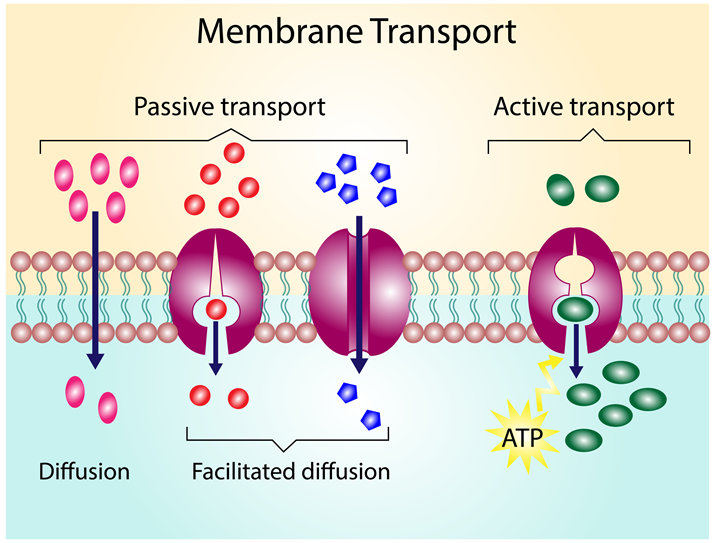
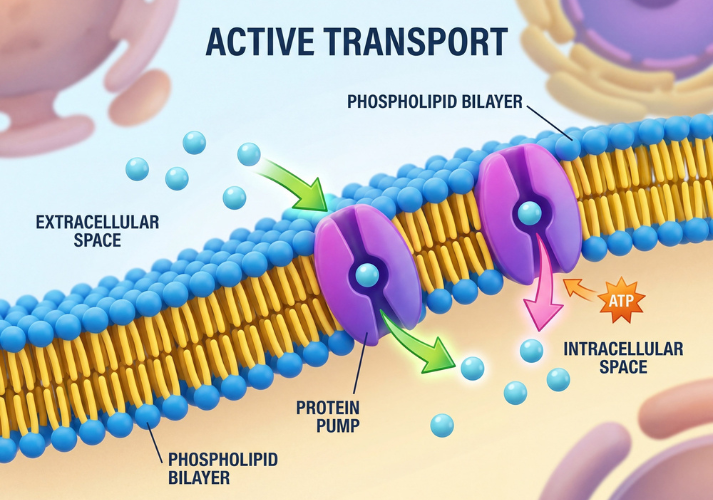
Active transport is the movement of substances across the cell membrane using energy.
Unlike passive transport, which moves materials from high to low concentration, active transport moves them in the opposite direction.
From low concentration to high concentration
Against the concentration gradient
Because this movement goes “uphill,” it requires energy.
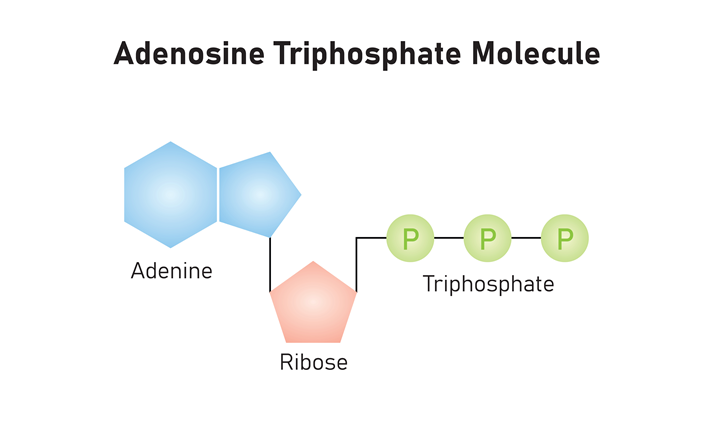
Cells use a molecule called ATP (adenosine triphosphate) to power this process. ATP acts like a rechargeable battery, providing energy for cellular work.
Why Cells Go Against the Gradient
Cells don’t just want balance—they need control.
Sometimes a cell must:
Store nutrients inside.
Remove waste quickly.
Maintain specific concentrations of ions.
Send signals (like nerve impulses).
If everything simply spread out evenly, cells would lose the ability to function properly.
Active transport allows cells to create and maintain these differences on purpose.
Membrane Pumps: Tiny Power Machines
One major type of active transport uses membrane pumps.
These are special proteins that act like machines, pushing substances across the membrane.
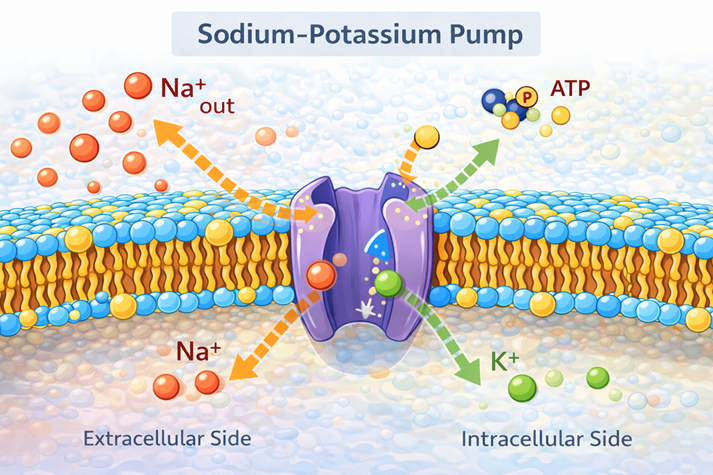
A key example is the sodium-potassium pump.
Here’s what it does.
Moves sodium (Na+) out of the cell.
Moves potassium (K+) into the cell.
Works continuously to maintain balance.
This pump uses ATP to change shape and move ions where the cell needs them—even when they naturally want to go the opposite way.
What makes it unique?
It moves 3 sodium ions out.
It moves 2 potassium ions in.
It helps maintain an electrical difference across the membrane
This difference is essential for processes like muscle contraction and nerve signaling.
Vesicle Transport: Moving Big Cargo
Some materials are too large to pass through membrane proteins.
For these, cells use vesicles—small membrane bubbles that carry substances.
There are two main types.
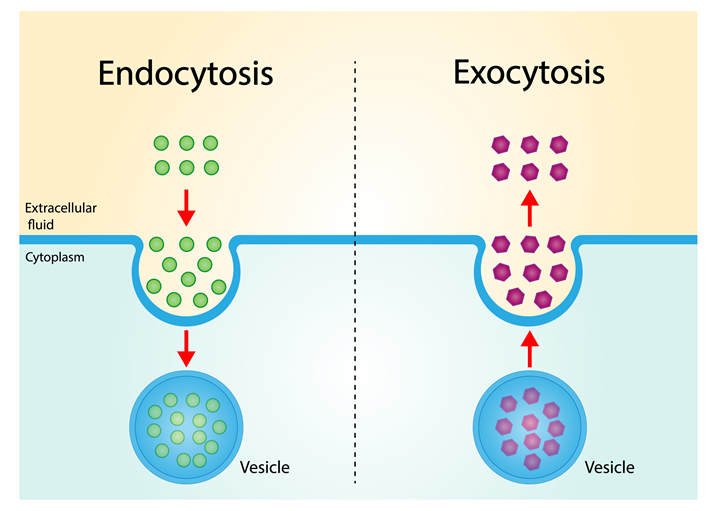
Endocytosis: Bringing Materials In
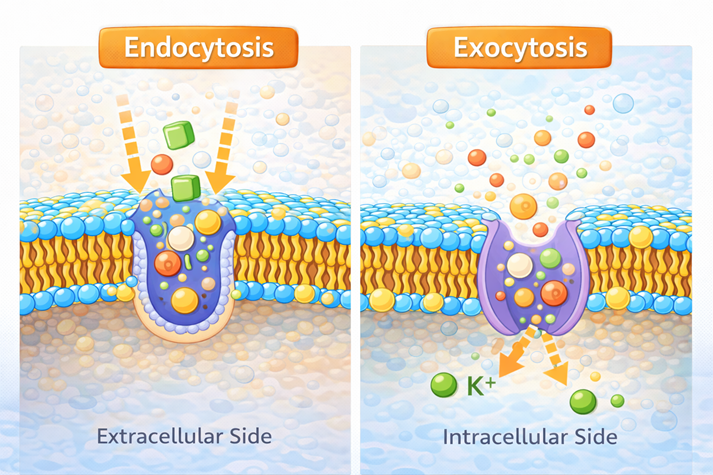
The membrane wraps around a substance and pulls it into the cell, forming a vesicle.
Two types:
Phagocytosis: “cell eating” (large particles or even whole cells)
Pinocytosis: “cell drinking” (fluids and dissolved substances)
Exocytosis: Sending Materials Out
A vesicle inside the cell moves to the cell membrane, fuses with it, and releases its contents outside the cell.
This is how cells:
Release hormones.
Send out neurotransmitters.
Remove waste.
Both processes require energy because they involve reshaping the membrane.
Three Types, One Big Rule
All forms of active transport share one key idea.
Energy is required.
The three main types are:
Membrane pumps (move small particles like ions)
Endocytosis (brings large materials into the cell)
Exocytosis (sends materials out of the cell)
Each method helps the cell stay organized, responsive, and alive.
From Understanding to Action
You’ve learned how cells use energy to move substances in ways that wouldn’t happen naturally.
Now it’s time to apply that knowledge by analyzing how and why cells use active transport in different situations.

Supplies
Additional Resources


 FAVORITE
 Like
Like