Sign Up
School Account Sign Up




Learn About Ladybugs!
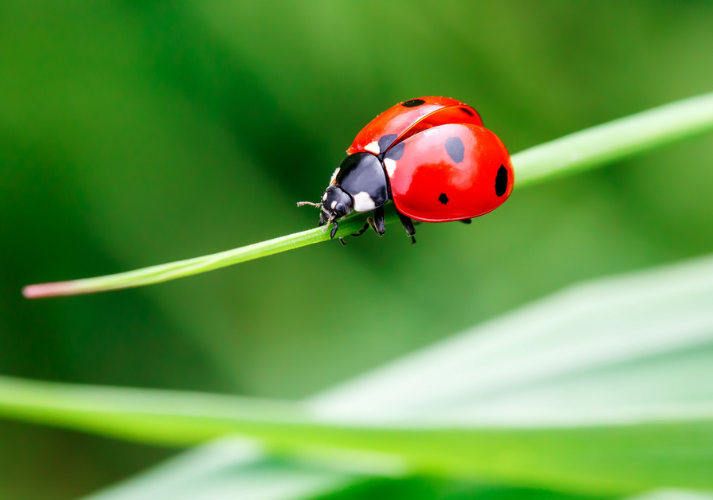
That’s a ladybug!

Ladybugs are helpful insects that live all over the world, and they go through big changes as they grow. This is called a life cycle.
You might be surprised to learn that a baby ladybug doesn’t look like a grown-up ladybug at all!
Just like a caterpillar becomes a butterfly, a ladybug also changes as it grows.Explore each stage of its life!
Stage 1: The Egg
Every ladybug starts as an egg. A mother ladybug lays her tiny yellow eggs under a leaf.
That keeps them safe from rain and hungry bugs that might want to eat them!
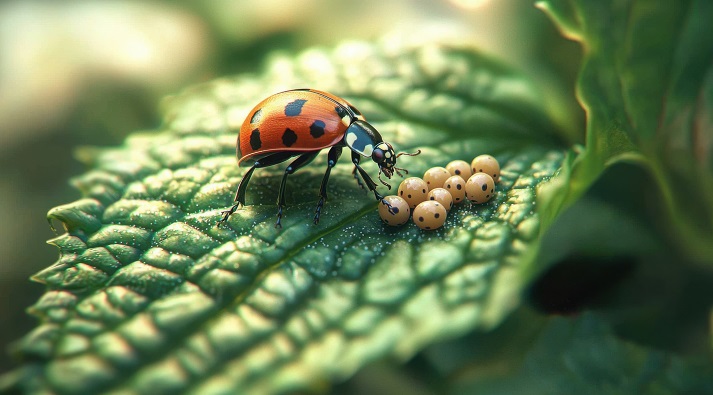
She lays about 10 to 15 eggs at a time. The mother is smart—she picks leaves that baby ladybugs will be able to eat when they hatch.
Stage 2: The Larva
After a few days, the eggs hatch. Out come tiny baby ladybugs called larvae.
They don’t look like ladybugs yet—they are long, black, and a little spiky!

Right away, they start looking for food. They love to eat tiny bugs like mites and aphids.
As they eat, they grow bigger and bigger. Their skin doesn’t stretch, so they have to shed their old skin many times. This is called molting.
Stage 3: The Pupa
When the larva is done growing, it sticks the tip of its tail to a leaf and stays very still. It is now in the pupa stage.
This is when a big change happens on the inside. The ladybug’s body is turning into something new!
This stage lasts about one to two weeks.
Stage 4: The Adult Ladybug
At last, the new adult ladybug comes out of the pupa.
At first, it looks pale and soft. But after a few hours, its shell becomes red and hard, and its black spots appear.
Now, it looks just like the ladybugs you know!
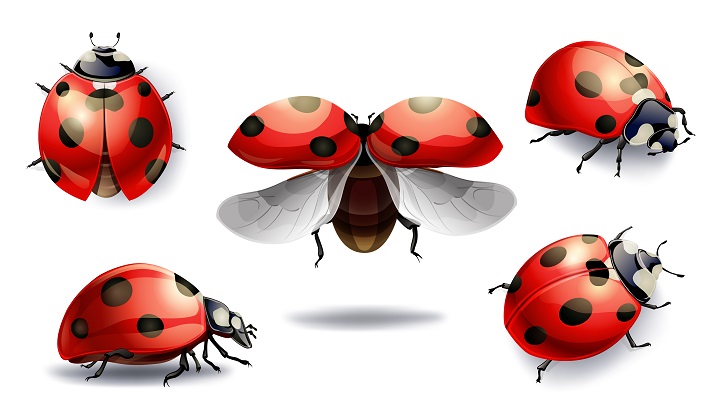
Grown-up ladybugs can lay more eggs and keep the life cycle going. They eat other insects and are busy from spring to fall.
When it gets cold in winter, they hibernate under rocks or logs—just like bears!
Remember the Stages
A ladybug’s life cycle has four stages.
Egg
Larva
Pupa
Adult
Each stage is important and helps the ladybug grow.
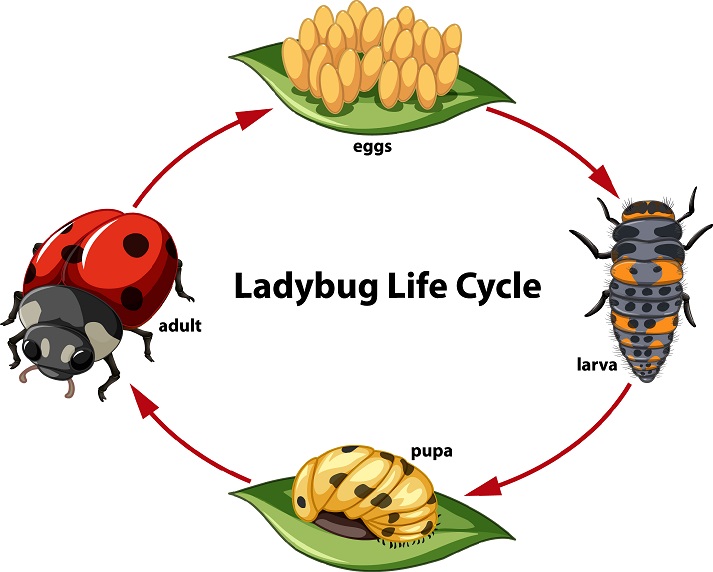
Now, that you know all about how a ladybug changes, you're ready to move on and show what you've learned!
Head to the Got It? section to practice and make our own ladybug life cycle!

Supplies






 FAVORITE
 Like
Like