Sign Up
School Account Sign Up

Lesson ID: 11953
Step inside the ancient world of canopic jars to uncover the gods, the guts, and the beliefs behind this Egyptian burial mystery.




What’s in the Jar?!
Imagine someone saving your stomach in a jar shaped like a jackal’s head… on purpose.
Sounds weird, right? But for the ancient Egyptians, this was a normal part of preparing someone for the afterlife.
When they mummified a person’s body, they didn’t just wrap it in linen—they also removed the organs and stored them in beautifully carved jars. These weren’t just containers. They were sacred, magical, and meant to help the dead live forever.
Welcome to the world of canopic jars—the ultimate afterlife organ storage system.
The Organ Keepers of Ancient Egypt
The answer is simple: preservation. The internal organs, especially the stomach, liver, lungs, and intestines, are full of moisture. Moisture leads to decay. That’s bad news if you want a body to last thousands of years.
To keep the body dry and recognizable, embalmers carefully removed these organs before drying the body with salt (natron).
Definitely not. Egyptians believed the dead would need their organs again in the afterlife, so they had to be saved—and saved properly.
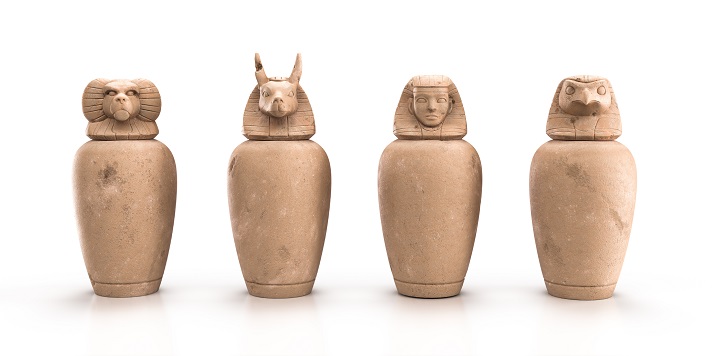
Enter the Canopic Jars
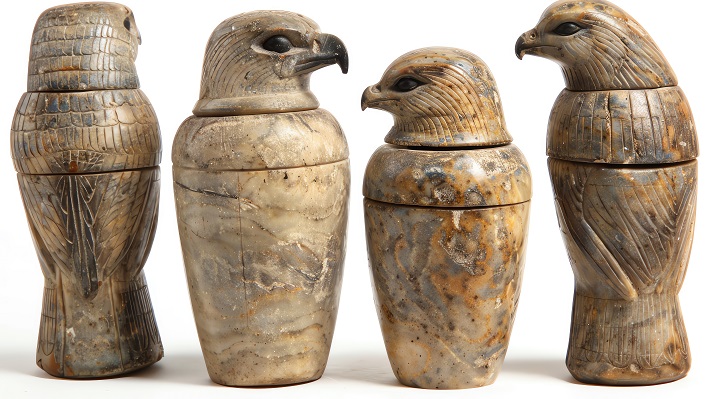
Each organ was placed into its own special jar called a canopic jar.
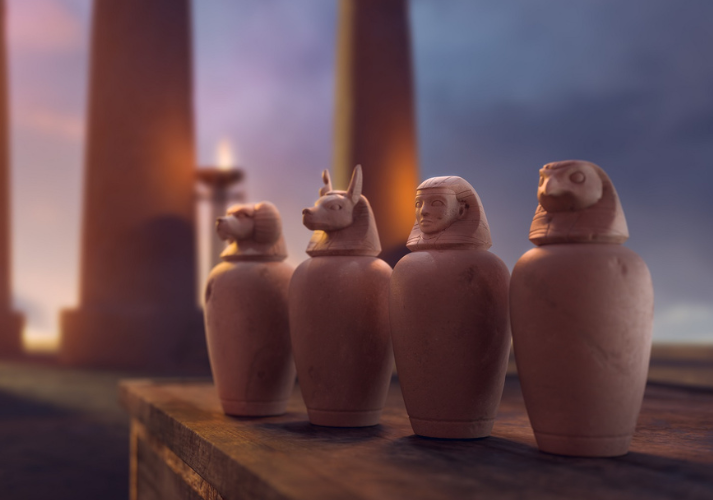
These jars were usually made of limestone, alabaster, or pottery, and each one was sealed with a unique lid shaped like the head of a god. But not just any gods—these were the Four Sons of Horus, and each had a specific job.
Here’s the full lineup of jar-guarding gods.
Imsety (human head): protected the liver
Hapi (baboon head): guarded the lungs
Duamutef (jackal head): watched over the stomach
Qebehsenuef (falcon head): cared for the intestines
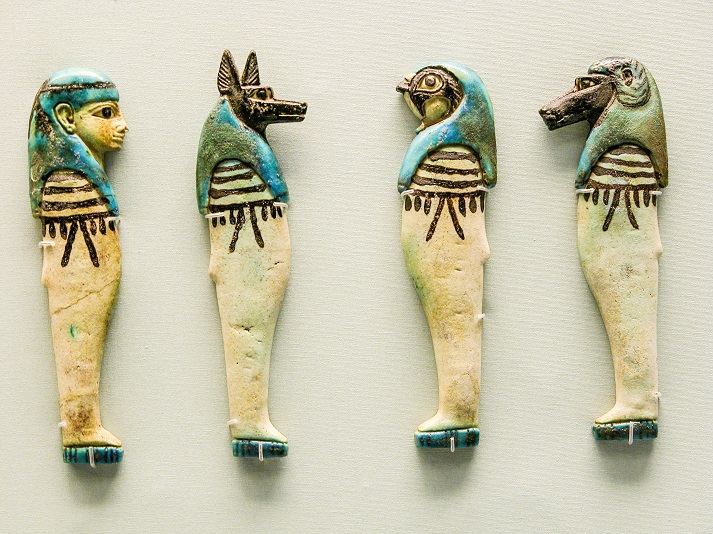
These gods were seen as protectors of the dead. By placing the organs under their care, Egyptians believed the body and soul would be fully prepared for rebirth in the afterlife.
Style Through the Ages
Not all canopic jars looked the same.
In the Old Kingdom (about 2686–2181 BCE), jars were plain and didn’t even have god-shaped lids. However, by the Middle Kingdom (about 2025–1700 BCE), they were inscribed and human-headed.
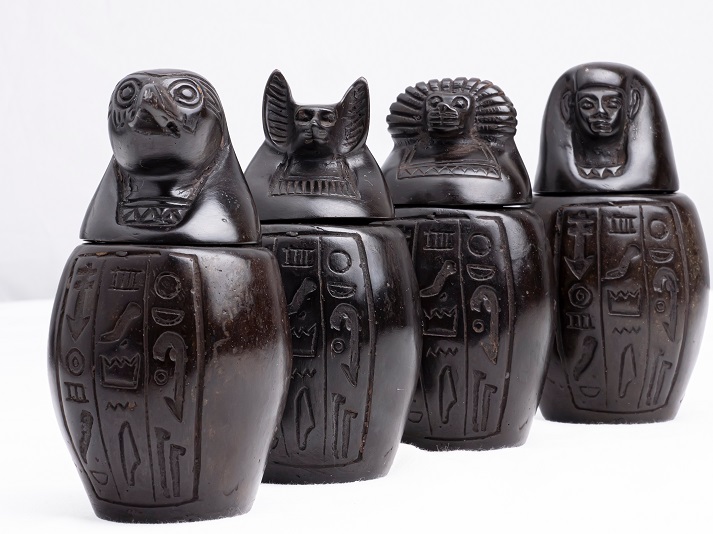
By the Nineteenth Dynasty, each jar featured one of the god-heads: human, baboon, jackal, and falcon.
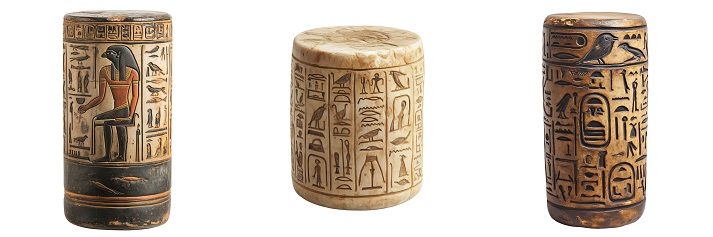
No two sets of jars were exactly alike. Some were carved with hieroglyphics, some painted, and some made with gleaming stone or gold inlays.
Jars were placed beside the sarcophagus, and many were buried with the dead, believed to be needed again one day.
Why It Meant So Much
To Egyptians, death wasn’t the end. It was just the beginning of a long journey. The soul needed a healthy, whole body (plus organs!) to make that journey successfully.
Canopic jars weren’t just decorations—they were part of a plan to live forever. The jars connected religion, science, art, and protection into one sacred tradition.
Ready to Get Your Hands on History?
Now that you’ve peeked inside the jars and met the Four Sons of Horus, it’s time to check your understanding and explore some hands-on activities.
Head to the Got It? section to put your memory (not your organs!) to the test!

Supplies


 FAVORITE
 Like
Like