Sign Up
School Account Sign Up

Lesson ID: 11796
Discover how Howard Finster turned trash into treasure and faith into art, then create your own bold, outsider-inspired masterpiece.




A Vision in a Thumbprint
Imagine this: You’ve spent nearly half a century preaching sermons in small-town churches, when one day you look down and see a face staring back at you—from your own thumbprint.
That’s exactly what happened to Howard Finster in 1976. The face, he said, spoke to him and gave him a divine mission: “Paint sacred art.”
From that day until his death in 2001, Finster never stopped creating. He claimed to have made over 46,000 works—each numbered, dated, and often filled with handwritten messages, Bible verses, or bits of advice.
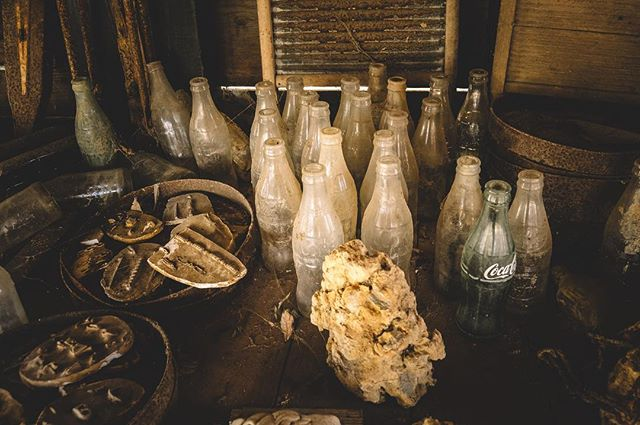
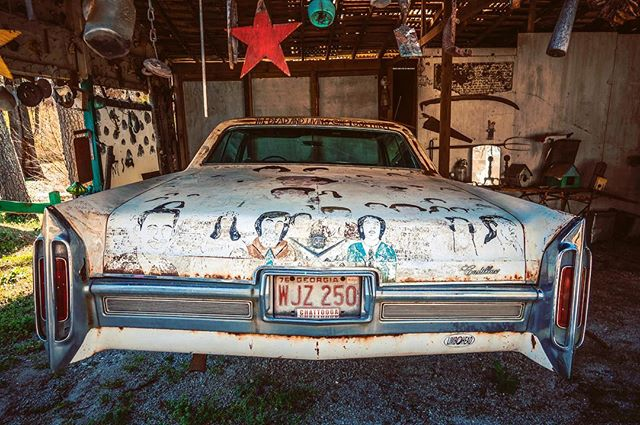
He painted on everything he could find: plywood cutouts, tractor parts, glass, bicycles, and even Coca-Cola bottles. His art wasn’t polished or trained, but it was alive—vivid, strange, joyful, and unapologetically spiritual.
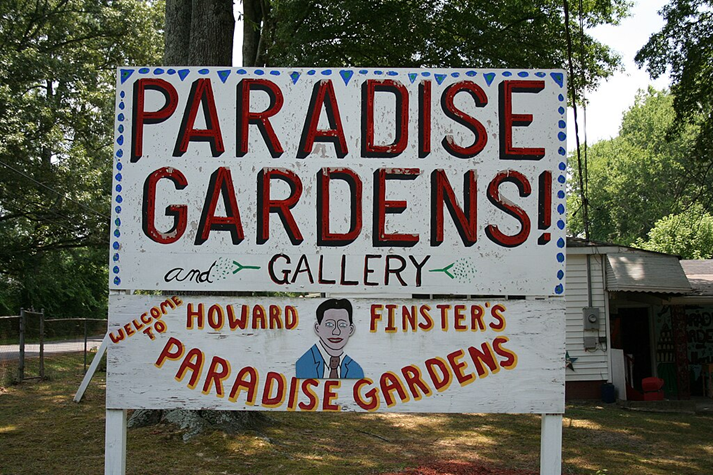
The Preacher Who Built a Garden
Before he became an artist, Finster was a Baptist preacher for forty-five years. His sermons, he said, were easy to forget. So, he decided to build something unforgettable—a two-and-a-half-acre art environment he called Paradise Garden, in Summerville, Georgia.
Paradise Garden looked like a place from a dream. It was made of recycled materials—bicycles, glass, mirrors, and scrap metal—all transformed into towers, mosaics, and pathways covered in words and color.
He saw this garden as a living sermon, one that people could walk through rather than listen to. It became a gathering place for travelers, art lovers, and spiritual seekers who wanted to see the world through his eyes.
The “Man of Visions”
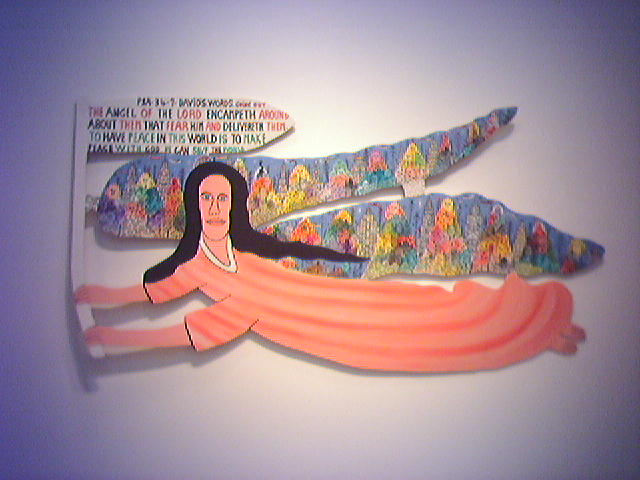
Finster didn’t think of himself as a traditional artist. He called himself “a man of visions.” His art mixed religion, pop culture, and fantasy.
You might see Jesus beside Elvis Presley, angels floating over Coca-Cola logos, or hand-painted words preaching about salvation next to cartoonish faces.
He believed everything he created was divinely inspired—an assignment from God to spread messages of faith and creativity. He once said, “I took the pieces you threw away and put them together by night and day.”
That line perfectly describes his art: taking the discarded and making it holy.
From Roadside to Rock ‘n’ Roll
Finster’s wild, colorful world didn’t stay hidden in Georgia. His art appeared on album covers for bands like R.E.M. and Talking Heads, drawing national attention to his unique vision.
He even appeared on The Tonight Show and on the cover of Time Magazine. For someone who never went to art school, that’s quite the climb.
Critics called his work “outsider art,” a term used for artists who create outside the traditional art world—often self-taught, driven by vision rather than by training or fame. Finster didn’t mind the label. He said he wasn’t painting for galleries—he was painting for God.
Seeing the Sacred in the Everyday
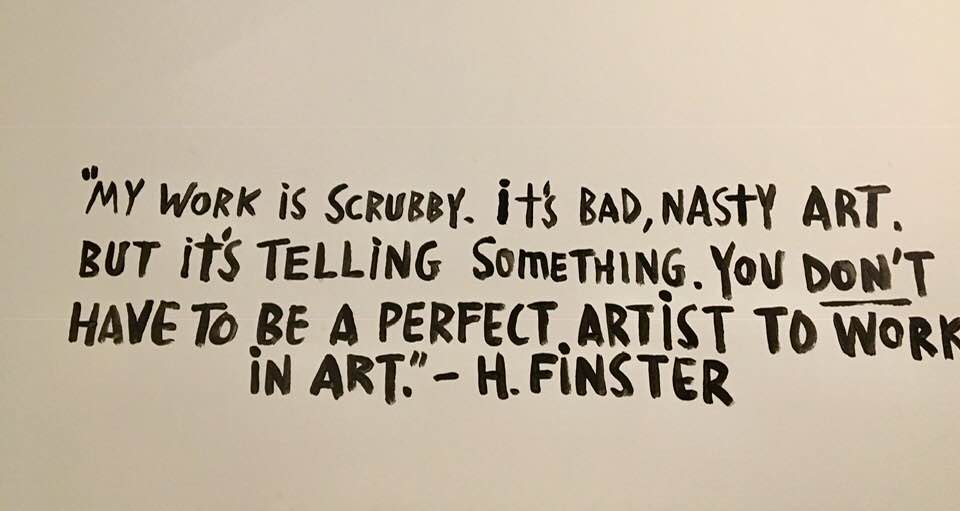
Howard Finster’s art reminds viewers that creativity doesn’t have to come from classrooms, museums, or expensive materials. It can grow out of anything—a thumbprint, a scrap pile, a moment of faith.
He showed that art can be a kind of storytelling, a way to share what you believe, dream, or question. Whether you find inspiration in a melody, a memory, or a muddy backyard, Finster’s message is the same: the world is your canvas.
Next, you’ll get to step into Finster’s shoes—exploring how an artist’s imagination and message can turn the ordinary into something extraordinary.
You’ll study his works, analyze his symbols, and then create something inspired by his bold, outsider spirit.

Supplies



 FAVORITE
 Like
Like