Sign Up
School Account Sign Up

Lesson ID: 11641
Which germ is the real troublemaker? Discover how viruses and bacteria are different—and why that matters for your health!




Too Small to See, Too Mighty to Ignore
Imagine something so small that millions could fit on the tip of a pencil, yet powerful enough to knock out the strongest person you know.
These invisible invaders are responsible for the flu, stomach bugs, strep throat—and yes, even pandemics. Some are deadly. Others are helpful.
But no matter what, viruses and bacteria are all around you—and even inside you.
You’ve likely been told to wash your hands, get vaccinated, or take antibiotics when you're sick.
Viruses and Bacteria 101
Welcome to the microscopic world where two tiny forces—viruses and bacteria—battle for survival, and sometimes, you get caught in the middle.
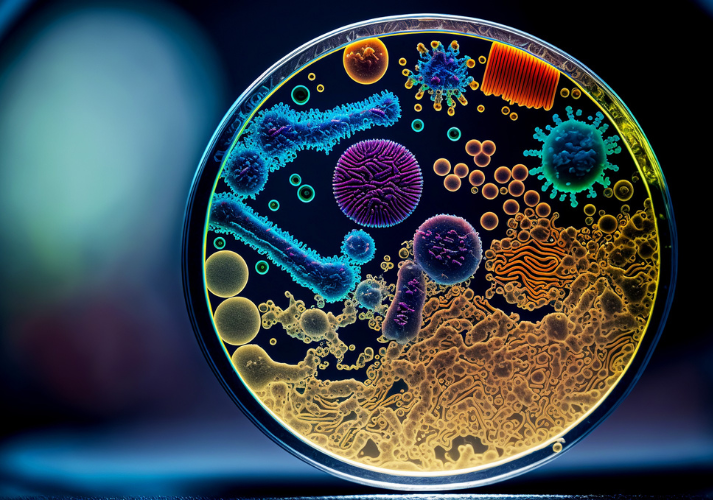
Though they’re both classified as microbes (microorganisms too small to see without a microscope), viruses and bacteria are very different in how they live, spread, and affect your body.
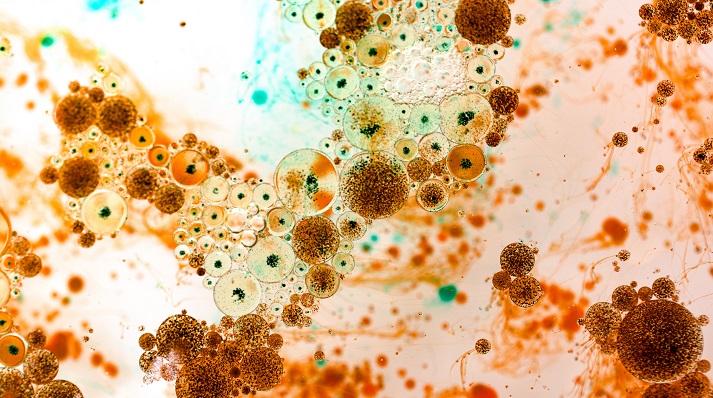
What Are Microbes?
Microbes are organisms that are too small to see with the naked eye. They exist everywhere: in the air, on your skin, and even deep inside your digestive system.
Some microbes keep you healthy. Others make you sick. The two most well-known types of microbes are bacteria and viruses.
Viruses: Tiny Hijackers
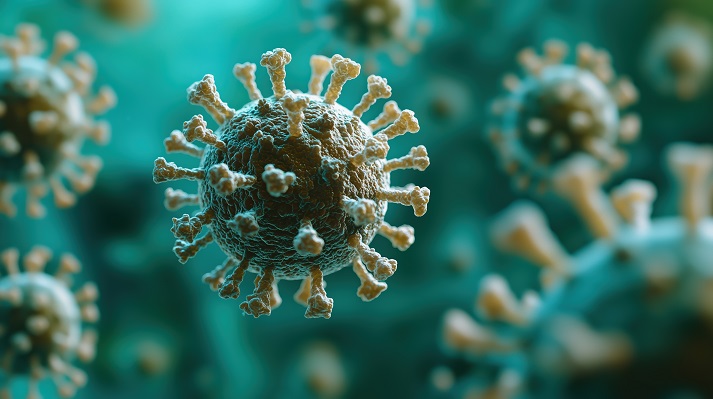
Viruses are not technically alive. They can't grow, move, or reproduce on their own.
Instead, they act like hijackers: they sneak into a living cell (called a host cell), take control, and force it to make more viruses. Once the host cell is full of viruses, it bursts—spreading the infection to nearby cells.
Because they’re so dependent on host cells, viruses can’t be treated with antibiotics. Instead, we use vaccines to prevent many viral infections.
Bacteria: The Good, the Bad, and the Helpful
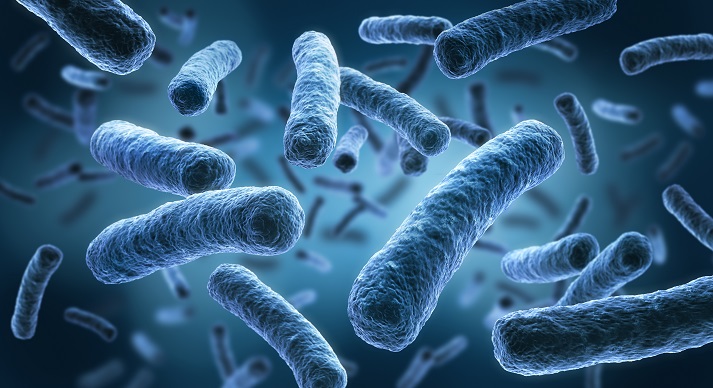
Bacteria are living cells that can survive and reproduce all on their own. Most are harmless or even helpful—like the ones in your gut that help digest food.
However, some bacteria can cause diseases, like strep throat, tuberculosis, or food poisoning. Fortunately, many harmful bacteria can be treated with antibiotics, which stop them from growing or kill them outright.
Quick Comparison
| Viruses | Bacteria | |
| Alive? | no | yes |
| Made of cells? | no | yes (single-celled) |
| Size? | much smaller | larger than viruses |
| Reproduction? | only inside host cells | on their own |
| Treated with? | vaccines (prevention) | antibiotics (treatment) |
| Examples illnesses? | flu COVID-19 measles |
strep throat E. coli pneumonia |
Why This Matters
Understanding the difference between viruses and bacteria isn’t just for scientists—it’s for everyone. It explains why antibiotics can cure strep throat but won’t help a cold, and why you need different vaccines for the flu and COVID-19.
When doctors know what kind of microbe is making someone sick, they can choose the right treatment—and help stop the spread to others.
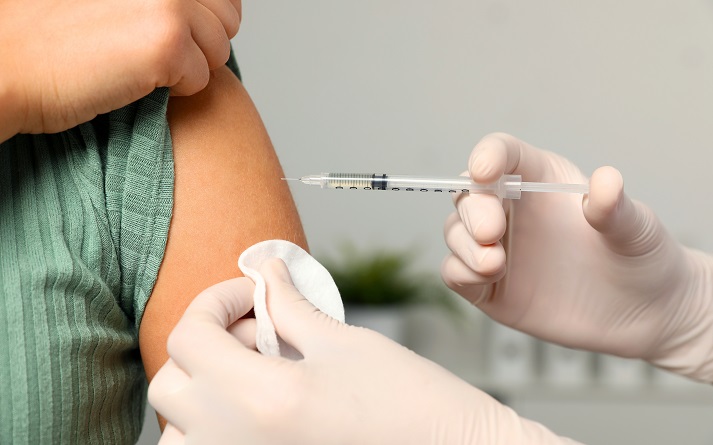
Viruses and bacteria may be tiny, but knowing how they work helps you make smarter decisions about your health and how to protect the people around you.
Now that you’ve explored the basics of viruses and bacteria, it’s time to see what you remember. Review the key ideas in the Got It? section and make sure you can tell these tiny troublemakers apart.

Supplies
Additional Resources




 FAVORITE
 Like
Like