Sign Up
School Account Sign Up




Could You Survive in a Lake?
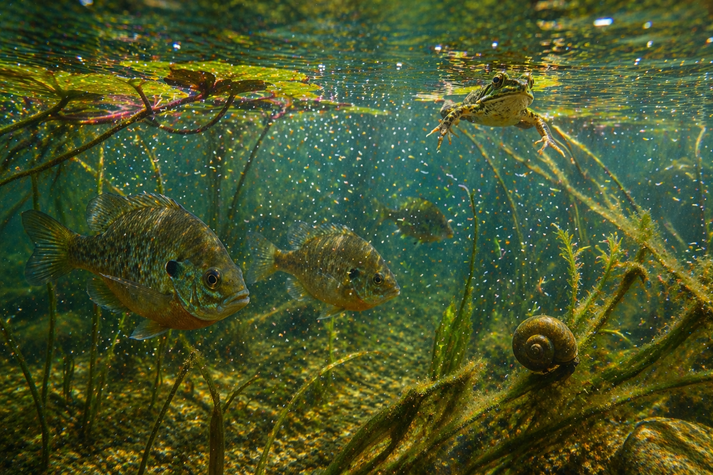
Imagine trying to live underwater.
You would need a way to breathe. You would need to move through water. You would need to find food and stay safe from predators.
Animals that live in lakes and ponds have special features that help them do all of these things. Some live in the water their whole lives. Others move between water and land. Some are so small you need a microscope to see them.
Get ready to explore the amazing animals that call lakes and ponds home.
Fish: Built for Life Underwater
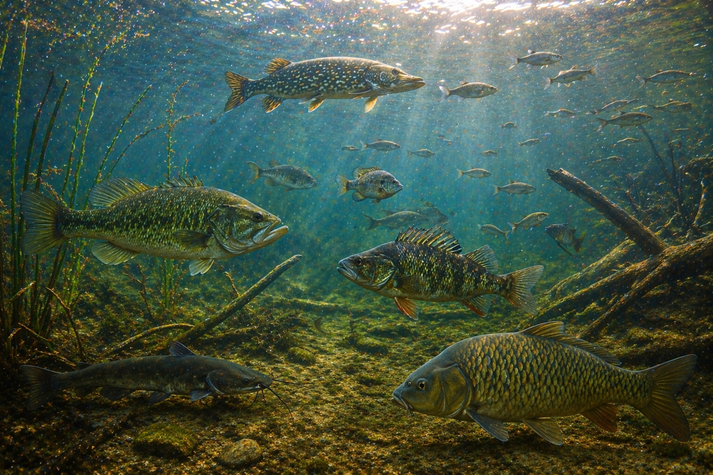
Fish are the most common animals in lakes and ponds. They spend their entire lives in water.
Fish breathe using gills, which pull oxygen from the water. Instead of walking, they swim using fins and tails. Their bodies are shaped to move easily through water.
Some fish have special ways to stay safe. For example, a flounder has a flat body and blends in with the bottom. Its eyes move to the top of its head so it can look around while staying hidden.
Fish come in many shapes, sizes, and colors, but all of them are built to survive underwater.
Amphibians: Life in Two Worlds
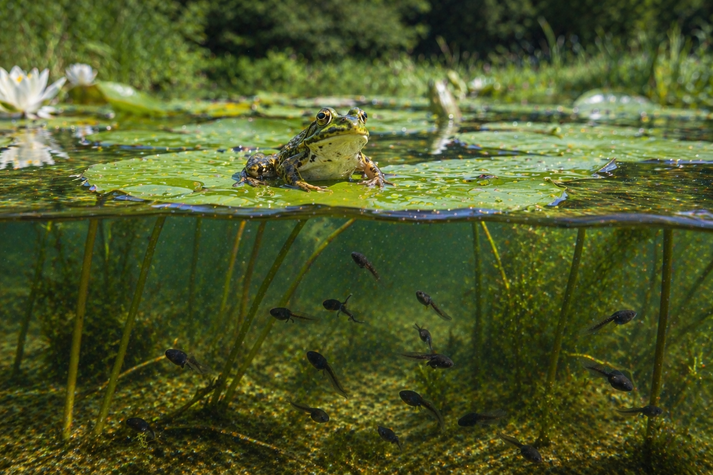
Amphibians, like frogs, live part of their lives in water and part on land.
Frogs lay their eggs in water. The eggs hatch into tadpoles, which look more like fish. Tadpoles have tails and breathe through gills.
As they grow, they change. They develop legs, lose their tails, and begin to breathe air with lungs.
Frogs also have webbed feet that help them swim quickly through the water.
Small but Mighty: Invertebrates
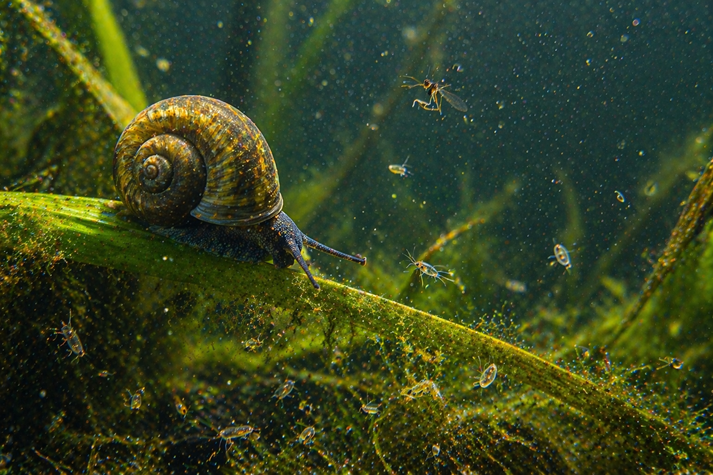
Not all animals in lakes and ponds are easy to see.
Some, like snails, move slowly along plants and surfaces. Snails have soft bodies and hard shells that protect them from danger.
Others are tiny, like zooplankton. These microscopic animals float in the water. Even though they are small, they are an important food source for many other animals.
Insects also live in and around water. Some spend part of their life underwater before flying as adults.
Survival Skills: How Animals Stay Alive
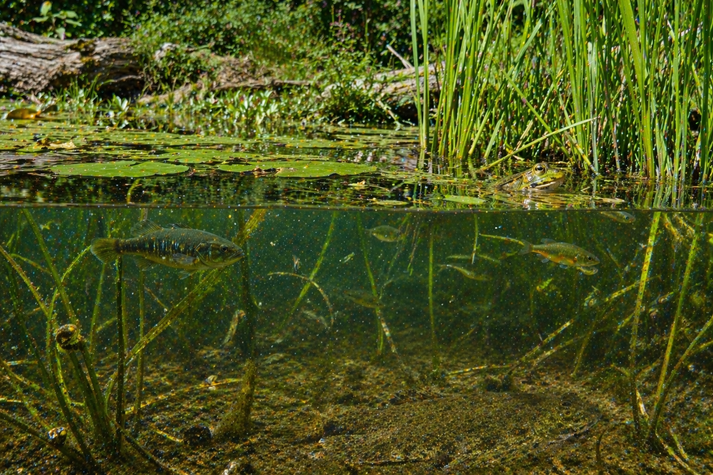
Animals in lakes and ponds must find food and avoid being eaten.
Some animals use camouflage to blend in with their surroundings. Others hide in plants for protection. Some swim quickly to escape danger.
Every animal has a role. Fish may eat smaller animals. Frogs may eat insects. Tiny organisms help support the entire food chain.
All of these living things depend on each other to survive.
A Busy Underwater World
Lakes and ponds might look quiet, but they are full of activity.
Fish are swimming. Frogs are jumping. Tiny creatures are floating and drifting. Animals eat, hide, and grow every day.
You just explored the different types of animals that live in lakes and ponds and how they survive in their environment.
Now it’s time to see if you can recognize these animals and their survival skills in action.

Supplies
Additional Resources


 FAVORITE
 Like
Like