Sign Up
School Account Sign Up

Lesson ID: 11435
Meet the Tasmanian devil—a loud, sharp-toothed marsupial with a pouch, a scream, and the strongest bite of any mammal on the earth!




The Loudest Little Beast in the Bush
With a bark like a chainsaw and jaws like a bear trap, the Tasmanian devil might be the loudest, crankiest, and most misunderstood marsupial on the planet.
It may be small, but this furry fireball has one of the strongest bites of any mammal, a scream that echoes through the forest, and a face that’s made for chomping—not cuddling.
Don’t let the name scare you—dig in and discover what makes this nighttime noisemaker so wild and weird.
What Is a Tasmanian Devil?
Tasmanian devils are carnivorous marsupials, meaning they eat meat and carry their babies in a pouch.
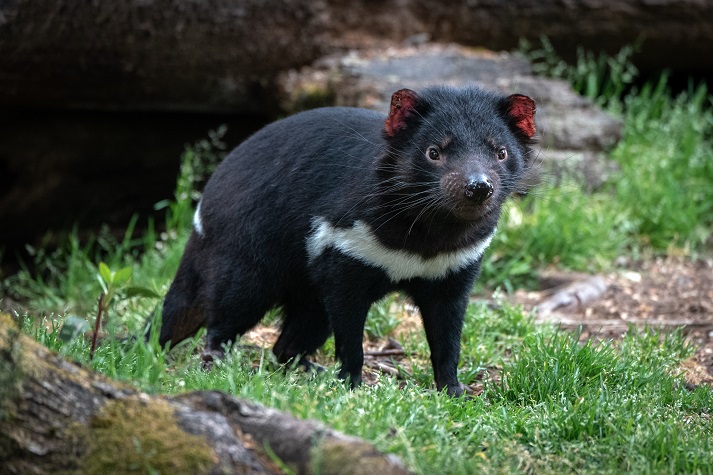
They are the largest meat-eating marsupials in the world, growing up to 2.5 feet long and weighing around 20–30 pounds, with males larger than females.
Habitat and Behavior
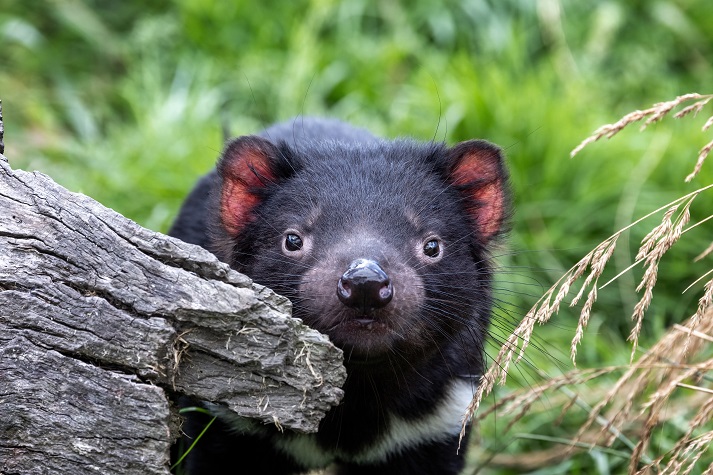
Tasmanian devils live in forests, coastal scrublands, burrows, caves, and hollow logs. They are nocturnal, so they rest during the day and come out at night to find food.
Even though they look like a cross between a bear cub and a large rat, they’re built for survival. Their oversized heads, long whiskers, and keen senses of smell and sight help them hunt and scavenge in the dark.
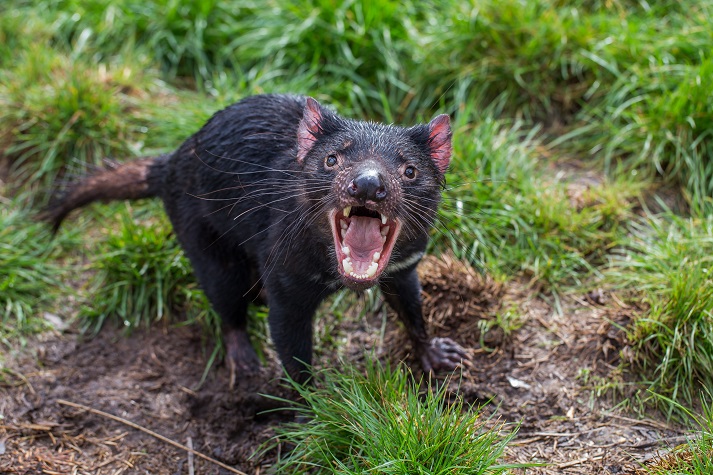
They’re known for being noisy, especially when feeding. They growl, snort, and let out high-pitched screeches to scare off other animals from a meal—this earned them the “devil” nickname from early European settlers.
What Do They Eat?
These creatures are strictly carnivorous. They eat birds, frogs, insects, small mammals, and dead animals (they love scavenging).
They even eat the bones and fur of their meals. Their powerful jaws and sharp teeth can crush through almost anything, and they often feed communally, growling and snapping as they fight for the best bites.
Baby Devils in the Pouch
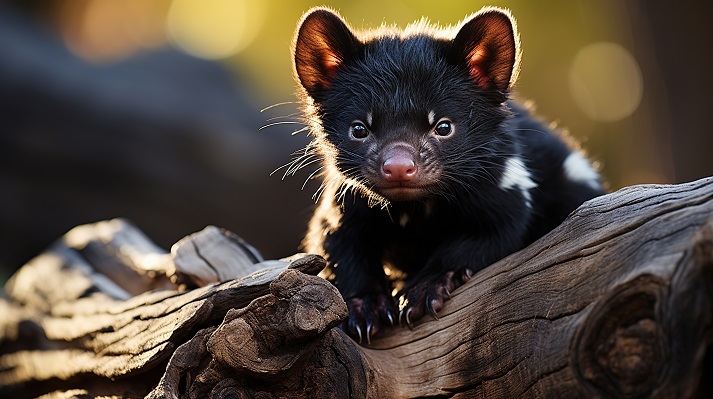
After only three weeks of pregnancy, a female devil gives birth to up to 30 tiny babies. Each one is smaller than a raisin!
But here’s the catch—she only has four nipples in her pouch. That means only the first four babies to crawl inside survive.
These lucky joeys stay in the pouch for about 4 months, then ride on their mother’s back while she teaches them to find food. By 8 or 9 months, they’re ready to live on their own.
Why Are They Endangered?
Tasmanian devils face a major threat: a contagious cancer called devil facial tumor disease (DFTD). It spreads from one devil to another when they bite each other during feeding or fighting.
The tumors make it hard for them to eat, and many starve.
This disease has dropped the wild devil population from about 140,000 to 20,000. Conservation programs are working hard to breed healthy devils and protect them from extinction.
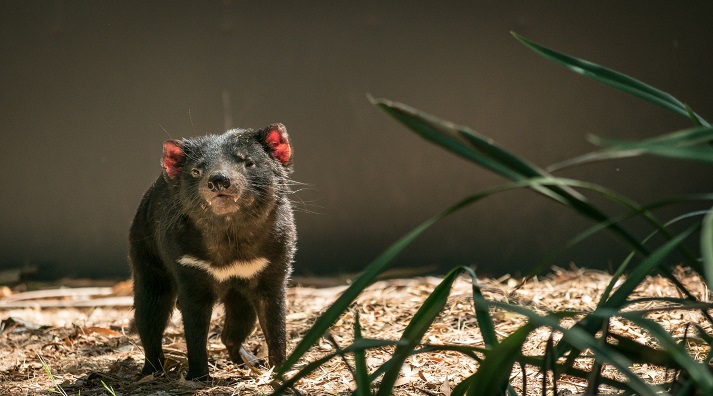
You’ve met the fierce, noisy, bone-crunching Tasmanian devil—now it’s time to test your skills and see what you remember in the Got It? section!

Supplies
Additional Resources


 FAVORITE
 Like
Like