Sign Up
School Account Sign Up

Lesson ID: 11429
What has fur, drinks milk, and keeps babies in a pouch? Discover the wild world of marsupials and what makes these mammals so unique!




Backpack Babies?!
Imagine carrying your baby brother or sister around in a built-in front pack everywhere you go!
No straps. No zippers. Just a warm, furry pouch.
That’s exactly what some amazing animals do!
From bouncy kangaroos to sneaky Tasmanian devils, marsupials are mammals with one big secret—most of them raise their babies in a pouch.
Get ready to meet some of the wildest creatures on the planet. They jump, they climb, they glide—and they do it all with a joey in tow!
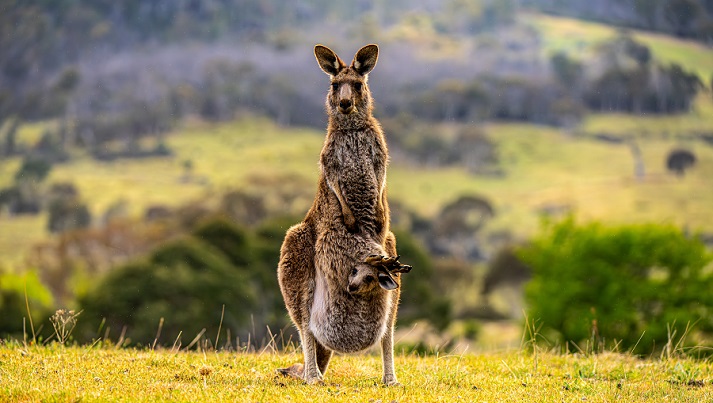
What Is a Marsupial?
Marsupials are a special group of mammals.
Like other mammals, they have backbones, are warm-blooded, have fur or hair, and feed their babies milk. But marsupials do something very different: they give birth when their babies are still tiny and not fully developed.
These newborns crawl into a pouch on their mother’s belly, where they stay safe and warm while they grow.
That pouch is like a cozy baby room on the go!
Where Do Marsupials Live?
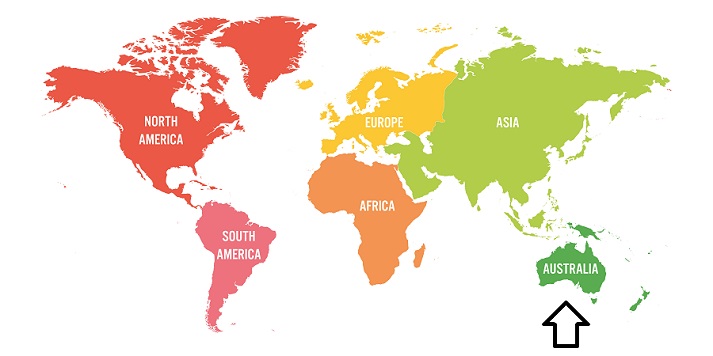
Most marsupials live in Australia and the nearby islands, but a few are found in the Americas.
In fact, the only marsupial found in the United States is the opossum! Other well-known marsupials include kangaroos, koalas, sugar gliders, wombats, numbats, and Tasmanian devils.

How Long Do They Stay in the Pouch?
Each marsupial species has its own pouch schedule! Some babies stay just a couple of weeks, while others take months to grow strong enough to leave.
Here's how long a few different joeys stay tucked in.
Sugar gliders: 16 days
Tasmanian devils: 4 months
Koalas: 6 months
Kangaroos and wombats: 6–8 months
Wallabies: 9 months
That’s a lot of pouch time!
Why Do They Matter?
Marsupials are a big part of the animal kingdom, and they help keep ecosystems healthy.
Some spread seeds, others keep insect and plant populations in balance, and all are fascinating examples of how animals adapt to their environment.
Ready to Practice?
You've just learned some amazing facts about marsupials—from their cozy pouches to the faraway places they live.
Now, it’s time to check what you remember and try out what you’ve learned. Put your marsupial knowledge to the test in the Got It? section!

Supplies


 FAVORITE
 Like
Like