Sign Up
School Account Sign Up

Lesson ID: 11285
From bison to zebras, explore the wild world of grasslands and discover how life survives where trees are few and the sky never ends.




Where the Wild Grass Grows!
Imagine a place where trees are few, the sky stretches wide, and tall golden grasses dance in the breeze. You might spot a lion crouching low in the shade, a herd of bison thundering across open plains, or even tiny owls nesting in underground burrows.
Welcome to the grasslands—Earth’s rolling oceans of grass!

Grasslands are found all over the world and are home to incredible plants, powerful predators, and some of the most fertile soil on the planet.
What Is a Grassland?
Grasslands are wide open spaces where grasses are the main plants. You won’t find many trees here—it's too dry for them to grow very tall or in big groups.
But grasses? They grow strong, deep roots that help them survive droughts, fires, and hungry grazers.
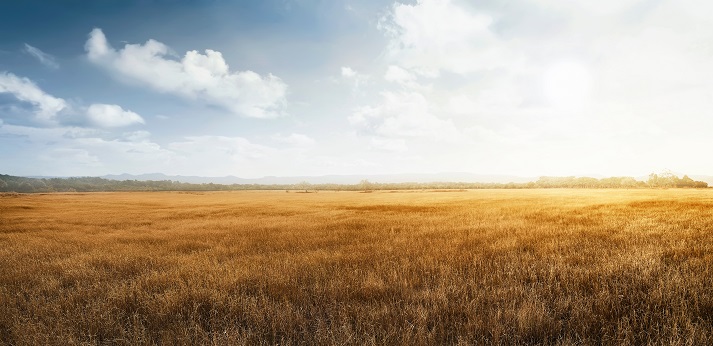
Grasslands exist on every continent except Antarctica.
They may look different depending on where you are, but they all share one thing: grasses are the stars of the show.
Two Main Types: Temperate and Tropical
There are two types of grasslands, and each has its own special features.
Temperate Grasslands (Cool-Season Grasses)
Found in North America, South America, Central Asia, and South Africa.
Called prairies (U.S.), pampas (South America), steppes (Eurasia), or veldts (Africa).
Summers are hot, winters are cold.
Rain falls mostly as snow in winter, which melts into the soil for dry summers.
Very few trees grow here because it’s too dry.
Grasses grow tall or short depending on rainfall.
The soil is rich and great for growing crops.
Animals include bison, pronghorns, coyotes, badgers, and ground-nesting birds like larks and owls. Many burrow underground to escape the heat or predators.
Tropical Grasslands (Warm-Season Grasses)
Called savannas.
Found in Africa, South America, India, and Australia.
Always warm, with wet and dry seasons.
Gets more rain than temperate grasslands—about 20–60 inches a year.
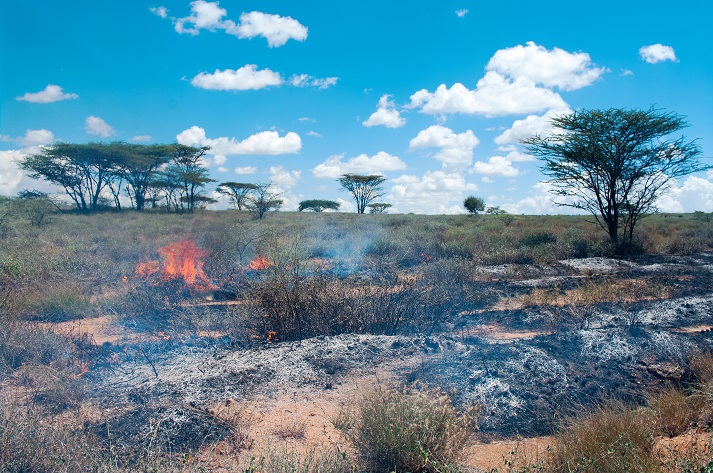
Trees grow, but are kept in check by grazing animals and wildfires.
Animals include elephants, zebras, giraffes, lions, cheetahs, and leopards. Many are active at night when it’s cooler.
A Grassy World
Even though grasslands may look different, they share some surprising traits.
They support huge herds of plant-eating animals.
Many creatures have adapted to open space by camouflaging or digging burrows.
These regions are crucial for farming because of their deep, nutrient-rich soil.
They are always changing—wildfires, rainfall, and animals constantly reshape them.
Time to Practice What You Know!
You've learned the big-picture view of grasslands—what they are, where they grow, and how they work.
Next up: test your grassy knowledge and dig into an activity to bring the biome to life!

Supplies
Additional Resources


 FAVORITE
 Like
Like