Sign Up
School Account Sign Up

Lesson ID: 11048
Discover how to turn your memories into powerful stories in this lesson on narrative writing and the art of prewriting.




What’s Your Story?
Think about the last time you told a funny story that made your friends laugh—or shared something embarrassing that made you blush.
Guess what? You were already writing a personal narrative, just without a keyboard.

Telling stories is what humans do best—it’s how we connect, remember, and make sense of our lives.
That starts with prewriting—the secret planning stage that turns random memories into meaningful stories.
Step One: What Is a Personal Narrative?
A personal narrative is a true story about something that happened to you. It’s not your entire life story—it’s one slice of your life.
Think of it as a snapshot, not a full photo album. A moment that changed you, taught you something, or just makes you smile every time you remember it.

Here are the six must-have ingredients for a great personal narrative.
First Person: You’re the storyteller, so use “I.”
Example: I raced down the hill, my heart pounding.
Dialogue (a little goes a long way): Use conversations to make your story come alive, but keep it natural.
Example: “Watch out!” I yelled as the ball zoomed toward us.
Action: Something needs to happen! Readers want movement, not a diary entry.
Example: The wave crashed, and my surfboard shot out from under me.
Focus and Purpose: Pick one event that matters to you and stick to it. Don’t tell your entire summer—just that one wild afternoon when you learned to ride your bike.
Sensory Details and Imagery: Help your readers see, hear, smell, taste, and feel what you experienced.
Example: The salty air stung my nose as I laughed so hard my sides hurt.
The “So What?”: Why does your story matter? What did you learn, realize, or feel?
Example: That day, I learned that being brave doesn’t mean not being scared—it means trying anyway.
Step Two: Avoid the Rookie Mistakes
Writers before you have made a few classic blunders. Avoid these traps.
Think of your story like a movie: you don’t need to show every scene, just the ones that matter.

Step Three: Brainstorm Like a Pro
Now that you know what a personal narrative is, it’s time to find your story.
Start with this question.
Write down every idea that comes to mind. Don’t judge them yet. Just list them all. Here are some examples.
The day you tried something new (and failed—or succeeded)
The first time you met a best friend or a new pet
A time you got lost but figured your way out
A day that changed how you saw someone
A moment you’ll never forget, even if you wanted to
You can sketch quick pictures or jot down keywords to remember details—whatever helps ideas flow.

Step Four: Choose the Best One
Once you’ve got your list, look for the story that:
Still feels vivid in your memory
Has clear emotions or action
Taught you something or shows who you are
If you can picture the sights, sounds, and feelings of that moment, you’ve found your winner.
Step Five: Plan Your Story
Before you start writing, plan your story’s path from start to finish. A strong personal narrative usually follows this pattern.
Beginning: Introduce the setting and characters quickly. Start near the action.
Middle: Show what happened. Use vivid language and dialogue.
End: Wrap it up with what you learned or how you changed.
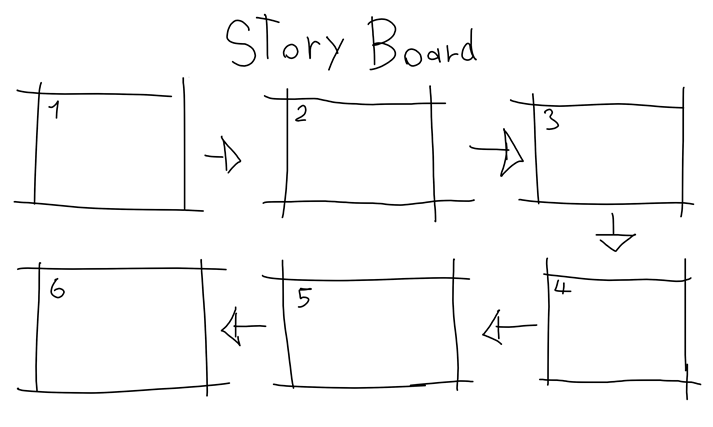
You can use a simple outline or storyboard to keep your thoughts organized. Draw boxes—one for each major part of your story—and jot or sketch what happens in each.
Step Six: Set the Scene for Success
Imagine your story as a mini-movie in your mind.
What does the place look like?
What are you doing?
What are you feeling?
These small details help readers step inside your story and feel what you felt.
Step Seven: The Heart Behind the Story
Every great personal narrative has heart. It’s not about what happened—it’s about why it mattered.
Whether your story is funny, sad, scary, or just strange, that emotional truth is what your reader will remember.

You’ve explored what makes a strong personal narrative and how to prepare for it. Now, it’s time to put those ideas into action.
In the Got It? section, you’ll practice the prewriting process—brainstorming topics, choosing the best one, and starting to organize your thoughts so your story is ready to grow.

Supplies
Additional Resources


 FAVORITE
 Like
Like