Sign Up
School Account Sign Up

Lesson ID: 10892
Crack the secret code in the dictionary! Learn what abbreviations mean and use them like a pro.




Crack the Code of the Dictionary
Have you ever opened a dictionary and felt like it was speaking in secret code? Tiny letters with dots… strange shortcuts… what do they mean?
Good news: you are about to become a code breaker.
Dictionaries use abbreviations, which are short forms of words. These abbreviations help save space and make entries easier to read.
Once you understand them, you can learn a lot more about any word—fast.
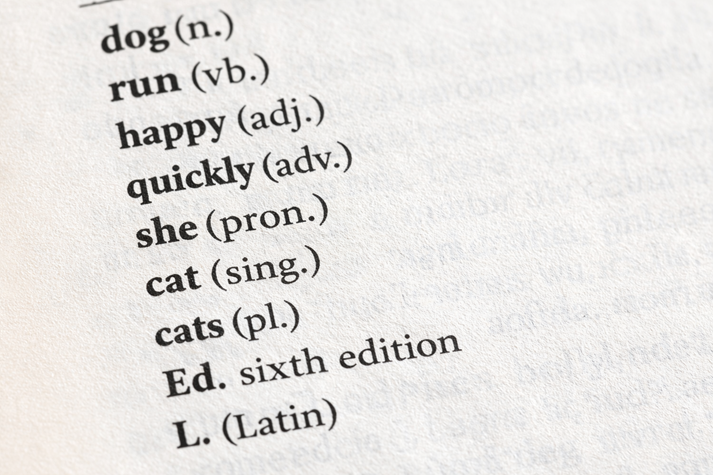
What Is an Abbreviation?
An abbreviation is a shortened way to write a word. For example:
Dr. means Doctor.
Jan. means January.
In a dictionary, abbreviations give you important clues about a word, like how it is used or what kind of word it is.
Why Do Dictionaries Use Abbreviations?
Printed dictionaries (the kind made of paper) use abbreviations to save space. Imagine writing “noun” every single time—those pages would get huge!
Online dictionaries often spell words out instead, but many still use abbreviations. Knowing them helps you read any dictionary, anywhere.
Common Dictionary Abbreviations You Should Know
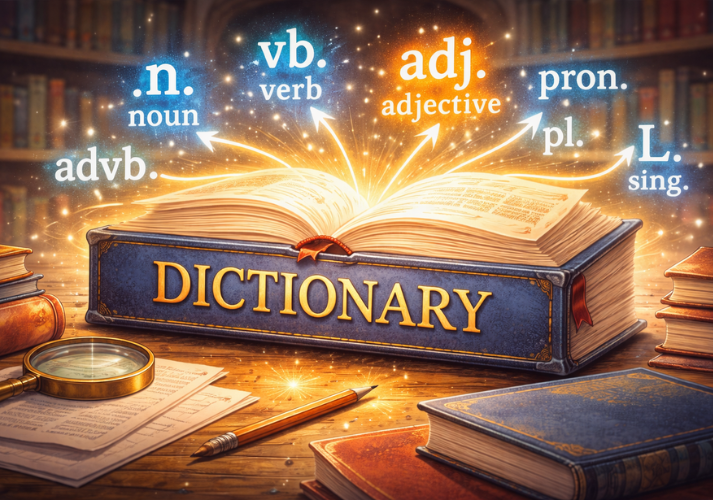
Here are some of the most common abbreviations you will see:
How These Help You
When you look up a word, these abbreviations tell you:
That is a lot of information packed into just a few letters.
Try It in Your Head
If you saw this in a dictionary:
run (vb.)
You already know “run” is a verb. That means it shows action.
Nice work—you are already reading dictionary code.
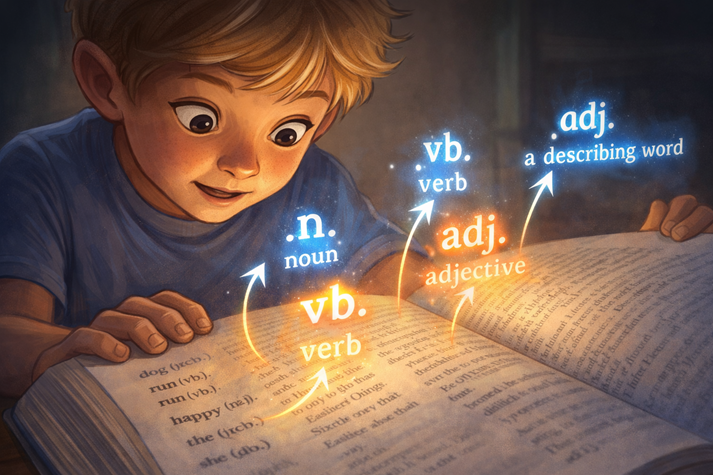
You just learned how to read the secret shortcuts in a dictionary. Now it is time to practice using them yourself and show what you know.

Supplies
Additional Resources





 FAVORITE
 Like
Like