Sign Up
School Account Sign Up

Lesson ID: 10798
Upgrade your writing superpowers by mastering word choice, connotation, and meaning to make your ideas impossible to ignore.




The Secret Power of Words
Words are more than just building blocks of sentences—they’re tools, colors, and music all rolled into one. The words you choose can make your writing sparkle like fireworks or sink like a leaky boat.
Authors call this intentional selection of words craft, and when you understand it, you can transform your writing from “just okay” into unforgettable.
Think about it: a writer isn’t just telling you a story—they’re guiding your feelings, shaping your mental images, and making you pause at just the right moments.
Sometimes that magic comes through what you hear when words are read aloud—this is audible craft. At other times, it’s in what you see on the page—this is visual craft.
Whether it’s a surprising word choice, playful punctuation, or a vivid image that lingers in your mind, it’s all part of the author’s plan.
Why Word Choice Matters
With more than a million words in the English language, you have a lot to choose from—but the “right” word depends on what you want your reader to feel or understand. A strong word choice does a lot.
It creates a specific tone (serious, playful, mysterious, or anything in between).
It paints a picture in the reader’s mind.
It influences how the reader feels about a character or idea.
It makes your writing stand out and feel alive.
Writers often avoid overused “workhorse” words, such as good, bad, or ran, and replace them with more precise and interesting alternatives.
Instead of “bad,” you might say ill, anxious, or depressed, depending on what you mean.
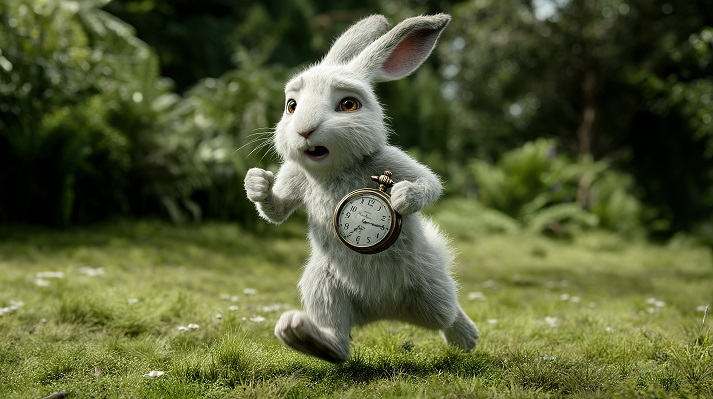
Instead of “ran,” you might choose scurried, skipped, or bolted.
Connotation and Denotation: The Two Sides of Meaning
Every word carries two kinds of meaning.
Denotation: The dictionary definition.
Connotation: The emotional or cultural feeling attached to the word.
For example, calling someone “slender” feels more positive than calling them “skinny” or “gaunt,” even though all three terms relate to thinness.
Your choice can instantly change the mood of your writing.
You can even rank words on a scale from positive to negative connotation.
Slender → more positive
Thin → neutral
Gaunt → negative

Understanding connotation helps you shape your reader’s emotional response.
Explicit and Implicit Meaning
When a meaning is explicit, it’s stated clearly—you can point right to it in the text.
When it’s implicit, it’s hinted at, and you have to figure it out by reading between the lines.
For example, the theme of a story is usually implicit—you find it through clues, patterns, and word choices rather than having the author tell you outright.
The Author’s Toolbox
Great authors—whether they’re Jane Austen describing “fine eyes,” Robert Frost writing about woods “lovely, dark and deep,” or Abraham Lincoln opening with “Fourscore and seven years ago”—choose words carefully.
Evoke vivid mental images.
Set the rhythm and flow of the writing.
Connect deeper meanings across sentences and ideas.
And here’s the secret: you can do this too. By noticing what writers do and understanding why they do it, you can make intentional choices in your own work to match the tone, pace, and feeling you want.
Your First Step to Mastery
Now that you know how authors use craft, word choice, connotation, and meaning to shape their writing, it’s your turn to put these tools into practice.
Head to the Got It? section to dive into an activity where you’ll spot great word choices in real writing and experiment with replacing words to change the mood and effect.

Supplies
Additional Resources





 FAVORITE
 Like
Like