Sign Up
School Account Sign Up

Lesson ID: 10724
What kind of government would you create? Learn about democracies, monarchies, dictatorships, and communism—then take the lead in this engaging and interactive lesson!



From Crowns to Constitutions to Control
Dive into the wild and fascinating world of governments—because behind every country’s laws, elections, or even parades is a system that makes it all work (or sometimes, not work at all)!
What Is Government, Anyway?
A government is a group of people—or sometimes just one very powerful person—who leads a country.
Governments create and enforce laws, protect citizens, and organize the economy. But not all governments are created equal. Some give a lot of freedom to the people, while others keep power tightly locked away.
Democracy: Power to the People!
The word democracy comes from Greek and means rule of the people. In a democracy, the people hold the power by voting.
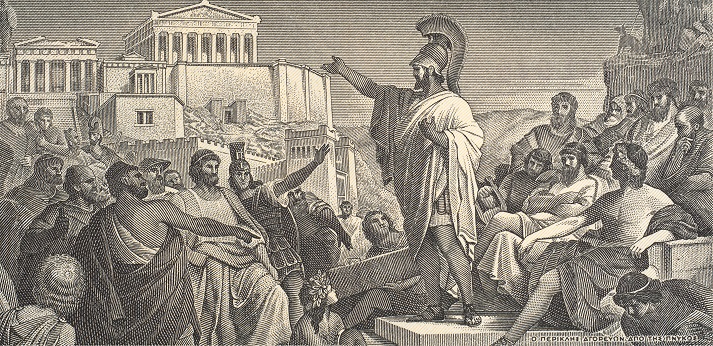
At first, this happened directly—citizens voted on laws themselves, like in ancient Athens. Today, most democracies are representative, meaning citizens vote for leaders who make decisions on their behalf.
There are rules in place to maintain fairness. In strong democracies:
Everyone has the right to vote.
Leaders follow a constitution, which serves as a rulebook for government.
Power is split into three branches:
Legislative (makes laws)
Executive (carries out laws)
Judicial (judges whether laws are fair)
Everyone, even leaders, must follow the law.
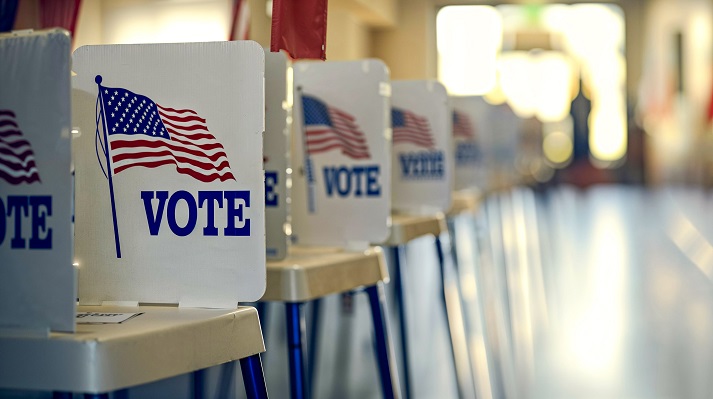
Democracy aims to protect the rights of all people, no matter their race, gender, religion, or political beliefs. But when the majority ignores or harms minorities, democracy stops working.
Monarchy: Born to Rule
In a monarchy, one person rules for life, usually a king or queen who inherits power. Long ago, monarchs claimed a higher power chose them. This belief was called the divine right of kings.
There are two main types.
Absolute monarchy: The monarch has total control.
Constitutional monarchy: The monarch is more like a national symbol. Elected officials make real government decisions. Modern examples include the United Kingdom and Japan.
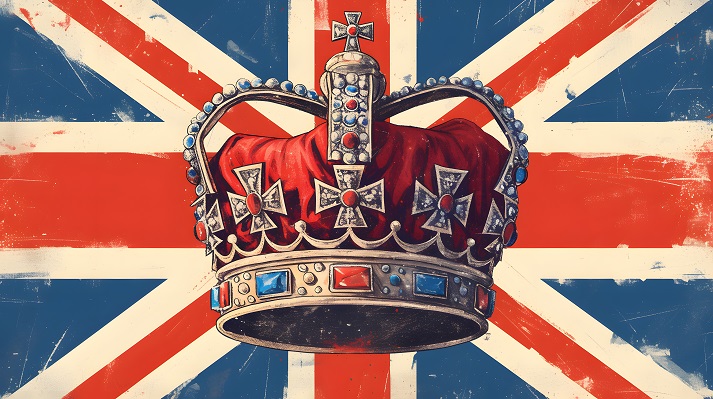
Monarchs often pass power to their children, thereby maintaining leadership within the family for generations. Today, many monarchies have changed to give people more say in how they’re governed.
Dictatorship: One Person, Total Power
A dictatorship is a form of government where one leader holds all the power and doesn’t share it.
Unlike a monarch, a dictator usually takes power by force or during a crisis and refuses to give it up. These rulers often control what people can say, watch, or even believe.
Dictatorships are often:
Authoritarian: People have few rights.
Oppressive: Citizens who disagree with the leader may be punished.
Controlling: Leaders spread propaganda, or misleading info, to stay popular and hide the truth.

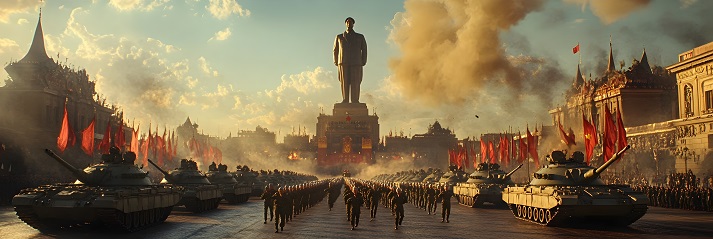
Notable examples in history include Adolf Hitler in Nazi Germany and Joseph Stalin in the Soviet Union.
Some modern dictators don’t call themselves dictators—they use titles like “president” or “supreme leader”—but the signs are still there: one person in charge, no fair elections, and no freedom to speak out.
Communism: Everyone Shares Everything?
Communism is more than just a government—it’s also an economic idea. The goal is to create a classless society where everyone is equal and all property is shared.

This system was imagined by Karl Marx, who believed capitalism created unfairness by giving wealth to a few and poverty to many.
In true communism:
The government owns all land, factories, and businesses.
Goods are shared equally.
Eventually, the government fades away, and everyone lives in harmony.
Sounds ideal, right? But in practice, communism has often led to strict government control, lost freedoms, and dictatorship.
Many countries that tried it—such as the Soviet Union and North Korea—ended up with leaders who retained all the power for themselves.
Other Forms of Government You Might See
Here are a few other types of governments found around the world.
Theocracy: Religious leaders rule in the name of a god. Example: Iran.
Oligarchy: A small group holds power, often the rich or powerful.
Anarchy: No government at all. Complete chaos.
Republic: Citizens elect leaders to represent them (like in democracies).
Federal Government: Power is shared between a central government and smaller regions, like states or provinces (e.g., the U.S.).
Time to Think Like a Leader
Now that you know how governments work—from ruling royally to leading through fear or sharing everything—it's time to test your skills.
Head to the Got It? section and practice what you’ve learned. Whether you’re matching systems or comparing power structures, you’ll be applying your knowledge like a true citizen of the world!

Supplies



 FAVORITE
 Like
Like