Sign Up
School Account Sign Up

Lesson ID: 10680
Mountains, deserts, ghost towns, and geysers—explore the wild wonders and rich stories of the Mountain West!




Welcome to the Wild, Wide West!
If the U.S. were a movie, the West would be its action-packed finale: think cowboys, gold rushes, geysers, deserts, and massive mountains—all rolled into one stunning region.
The West is the largest U.S. region in land area and easily the most dramatic in scenery. From volcanoes and ancient cliff dwellings to Vegas lights and rodeo ropes, it’s packed with extremes and excitement.
But beyond the flash and flair, this region has shaped the American story in powerful ways—from pioneering trails and Native traditions to towering tech cities and breathtaking national parks.
Buckle up! You’re about to explore the wildest and most rugged region of the United States.
The Lay of the Land
The West includes thirteen states.
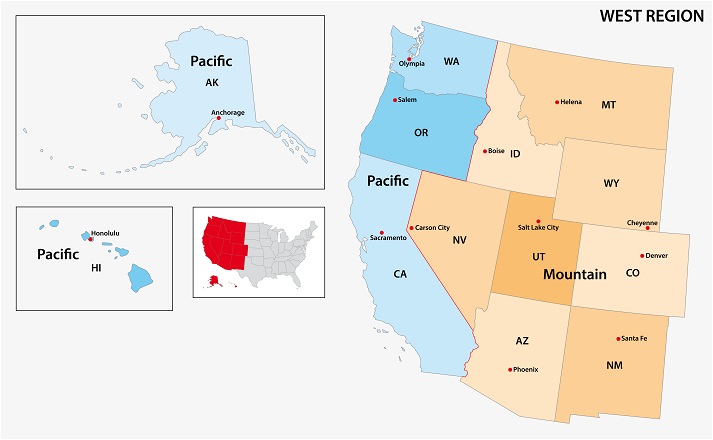
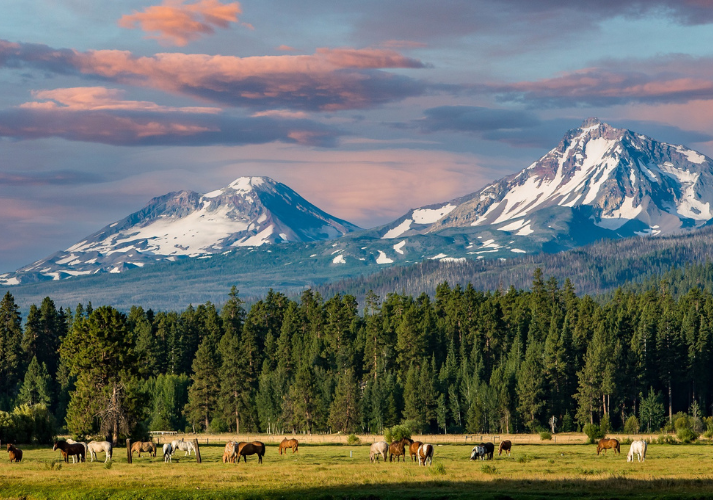
This vast area features almost every landscape imaginable—soaring mountains, scorching deserts, rainforests, volcanoes, canyons, coastlines, and icy tundras. From sea level to towering peaks, the West stretches the limits of geography.
The Rocky Mountains, which run from Canada to New Mexico, cut through many Western states, providing both scenic beauty and physical challenges.
The Cascade Range and Sierra Nevada line the western edge, while the Great Basin covers dry interior areas like Utah and Nevada. Volcanoes, such as Mt. Rainier and Mt. Saint Helens, dot the landscape, and deserts like the Sonoran Desert bloom with life in Arizona.

Weather: From Dry Heat to Mountain Snow
Two things unite the West’s climate: dryness and elevation.
It’s the driest region in the U.S., and many of its mountains are among the tallest. While coastal states like California and Oregon have more moderate climates, states like Utah and Nevada see blazing summers and freezing winters.
This unpredictable weather means the West has to work hard to farm, settle, and even survive.
Gold, Grazing, and Geysers
The West was built on opportunity and adventure.
During the 1800s, hopeful prospectors poured into the mountains in search of gold and silver. Mining towns popped up overnight, and many became ghost towns just as fast when the gold dried up.
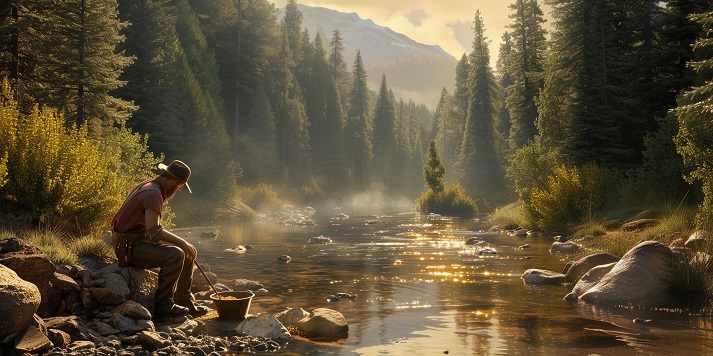
Today, mining continues, especially in states like Nevada, which leads the U.S. in gold and silver production.
Despite the dry land, agriculture and ranching thrive where there’s water. Wheat is grown in Colorado and Wyoming, and potatoes reign in Idaho.
Thanks to major dams like Hoover Dam, large-scale irrigation makes it possible to grow sugar beets, fruits, and vegetables.
Still, the West’s #1 farm activity? Raising cattle and sheep, especially in Montana and Wyoming.
Geysers, Ghost Towns, and Grand Canyons
Tourism plays a huge role in the Western economy. People travel from around the world to hike, ski, raft, and explore the region’s natural wonders.
Yellowstone National Park – The first national park, famous for geysers like Old Faithful and diverse wildlife
Grand Canyon – A mind-blowing gorge carved over the years by the Colorado River
Bryce Canyon and Arches National Park – Known for unique rock formations and arches
Sonoran Desert – Home to the iconic saguaro cactus, which blooms in vibrant color after rare rainfalls
Western Cities and Culture
The West may be wild, but it’s also wired. Some of the country’s biggest and fastest-growing cities are here.
Los Angeles, CA – Film capital and second-largest U.S. city
Phoenix, AZ – A booming desert city with a high-tech edge
Las Vegas, NV – Famous for neon lights, casinos, and entertainment
Seattle, WA, and San Francisco, CA – High-tech hubs and centers for music, coffee, and innovation
Denver, CO – A major mountain city and gateway to outdoor adventure
The West is also a region with a rich and diverse cultural legacy. It’s home to many Native American nations, from the Ancestral Puebloans (Anasazi) of Utah to the tribes of the Pacific Northwest.
Cowboy culture still lives on in rodeos, ranches, and rugged independence. And its blend of Hispanic, Asian, and Indigenous influences shapes everything from food to festivals.
From Trails to Tech
The West played a major role in American expansion. Pioneers crossed it on trails like the Oregon Trail, passing landmarks like Independence Rock and Devil’s Gate.
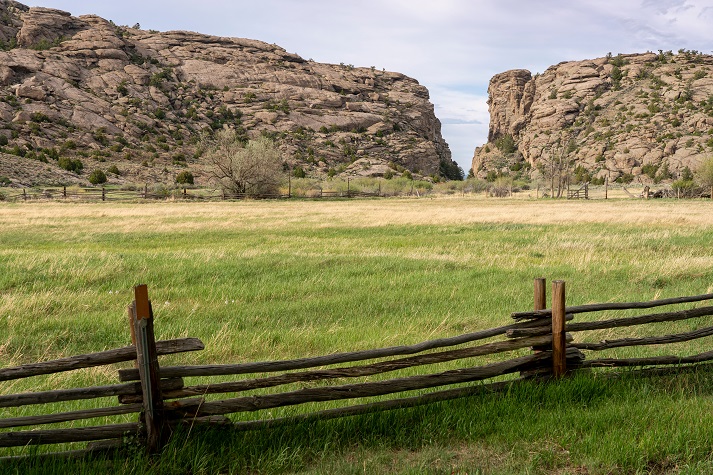
Forts like Fort Laramie were built to protect travelers and trade routes. Battles, including Custer’s Last Stand at Little Bighorn in Montana, reveal the deep and often painful history of settlers and Native Americans clashing over land and power.
Today, the region continues to grow, attracting people for its beauty, opportunities, and pioneering spirit.
You’re Halfway There!
Now that you’ve taken a scenic tour through deserts, cities, mines, and mountains, it’s time to put your brain to the test.
Head to the Got It? section to practice what you’ve learned about the U.S. West with some wild and wonderful activities!

Supplies
Additional Resources



 FAVORITE
 Like
Like