Sign Up
School Account Sign Up

Lesson ID: 10564
Learn how days, weeks, and months work together as you explore, plan, and create your own calendars!




Let’s Explore the Calendar!
You were using calendar skills without even knowing it!

A calendar helps you know what day it is, what comes next, and what’s coming soon.
It’s like a map of time that helps you keep track of your days, weeks, and months.
The Days of the Week
Every week has seven days, and they always come in the same order.
Sunday, Monday, Tuesday, Wednesday, Thursday, Friday, Saturday.

Each day has its own rhythm.
Maybe you do homeschool lessons on Monday.
You might have soccer practice on Tuesday or piano lessons on Thursday.
Friday could be movie night, and Saturday might be time for a birthday party or a family adventure.
Then it starts all over again on Sunday!

We use words like yesterday, today, and tomorrow to talk about when things happen.
If today is Wednesday, then yesterday was Tuesday and tomorrow will be Thursday. Easy!

The Months of the Year
A calendar also shows us months, which are bigger chunks of time.
There are twelve months in one year, and each month has a name and a number of days.
Here they are, in order.
January, February, March, April, May, June, July, August, September, October, November, December.
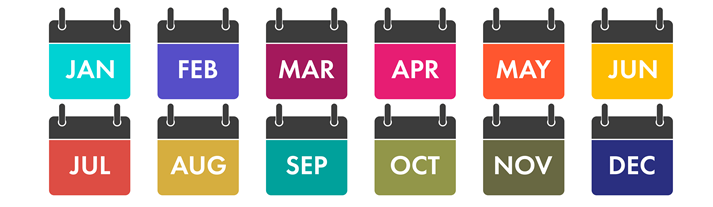
The year begins in January and ends in December.
Some months are short, like February, with only 28 days most years. Others, like March or October, have 31 days.
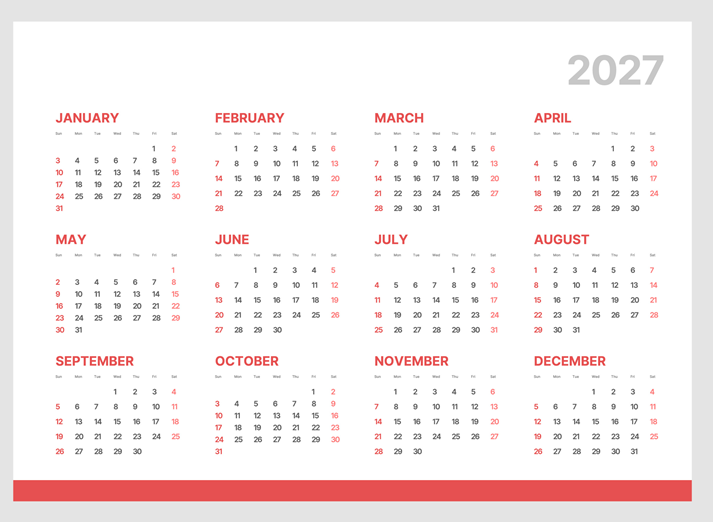
Every month brings something new!
March might bring spring flowers.
July means summer fun.
December brings the winter holidays.
Learning the order of months helps you remember when your birthday happens, when school starts, and when holidays come around.
Reading a Calendar
Take a look at a calendar like the one above for February 2014.

Each square shows one day.
The top row lists the days of the week—Sunday through Saturday.
Each row below shows a week of days.
You can find special dates by matching the day of the week and the number.
If your birthday is on February 14, find the 14 on the calendar—it’s a Friday that year!
Calendars can also show months, seasons, and years. A year is the full set of 12 months, from January all the way to December.
Why Calendars Matter
Calendars help everyone plan and remember.
Families use them to mark school days, game days, and holidays.
Scientists use calendars to track the moon and seasons.
Even animals notice patterns in days and weather—birds know when it’s time to fly south!
When you understand how to read a calendar, you can plan your own schedule and never miss something exciting again.
Now that you know how days, weeks, and months work together, it’s time to practice what you’ve learned!
Head to the Got It? section to test your new calendar skills and see how much you can remember.

Supplies



 FAVORITE
 Like
Like