Sign Up
School Account Sign Up

Lesson ID: 10474
Discover how your bones keep you moving, safe, and strong—then put your skeleton knowledge to the test with fun projects!




Stand Tall: The Amazing Skeleton Inside You
Imagine your body without bones. You’d be a floppy blob on the floor, like a melted snowman!
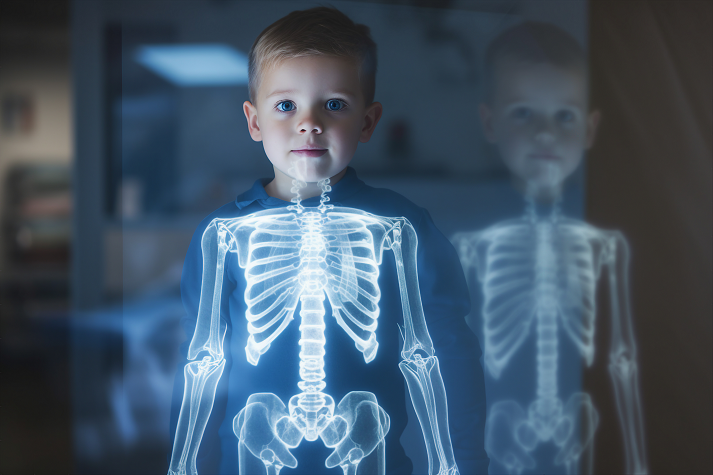
Thankfully, you’ve got a skeleton—206 bones that keep you standing tall, moving, and even making blood.
Your skeleton is like the secret superhero suit inside you. Let’s unlock its powers.
Your Skeleton’s Superpowers
Bones don’t just sit quietly inside you; they have three main jobs.
Support and shape: Without bones, your body would collapse. Your skeleton is the frame that holds everything together.
Protection: Your skull guards your brain, your rib cage shields your heart and lungs, and your spine protects your spinal cord.
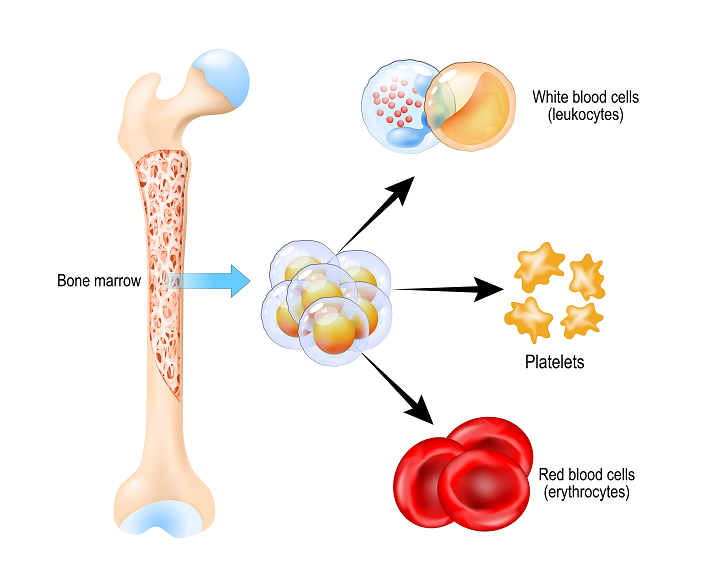
Blood cell factory: Inside bones is a squishy material called bone marrow that makes new blood cells every day. Millions of them!
How Many Bones Do You Have?
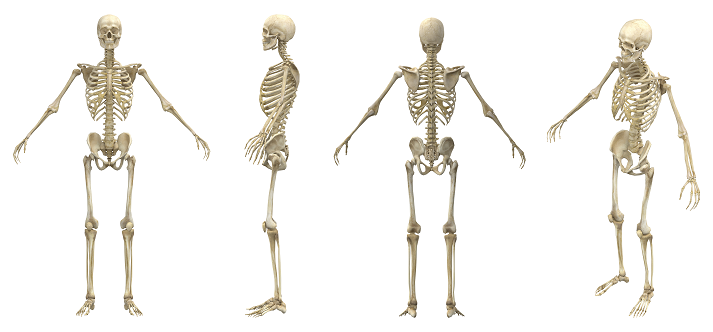
You were born with about 300 bones. Over time, some of them fused together, so as an adult, you’ll have 206 bones.
That means you’ve actually lost bones as you grew—but only by combining them into stronger ones.
Big and Small Champions
The biggest bone: the femur (thigh bone). It’s the longest and strongest bone, carrying much of your weight.
The smallest bone: the stapes in your ear, tinier than a grain of rice. Three little bones in each ear (hammer, anvil, and stirrup) let you hear sound.
What Bones Are Made Of
Bones may feel hard as rock, but inside they’re spongy with air pockets. This design makes them strong and light. Bones get their hardness from calcium, a mineral also important for your heart and nerves.
Eating foods like milk, yogurt, and broccoli helps keep bones healthy and strong.
Meet Your Main Bones
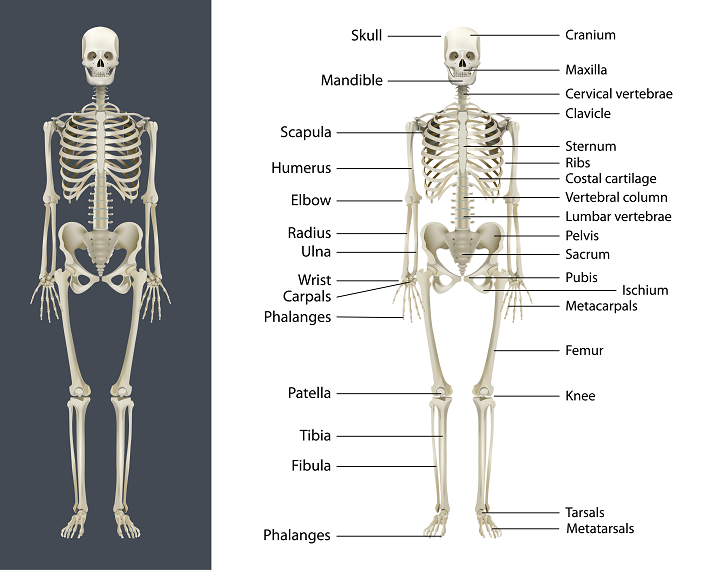
Look at some of your skeleton’s “famous players.”
Cranium – your skull that protects your brain.
Mandible – your lower jawbone, the only skull bone that moves.
Clavicle – your collarbone, the most commonly broken bone.
Humerus – your upper arm bone (nicknamed the “funny bone”).
Ribs and sternum – your rib cage, like armor for your chest.
Vertebrae – the 26 bones in your spine.
Pelvis – your hip bones, connecting legs to spine.
Patella – your kneecap.
Tibia and fibula – your shin and calf bones in the lower leg.
Carpals, metacarpals, phalanges – the bones in your wrists, hands, and fingers.
Tarsals, metatarsals, phalanges – the bones in your ankles, feet, and toes.
Joints: The Body’s Hinges
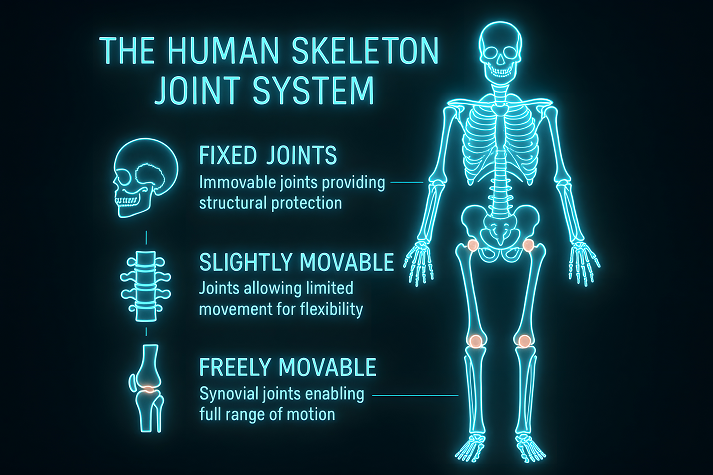
Bones can’t move on their own—they need joints where bones meet. Joints are like door hinges that let you bend, twist, and dance.
Hinge joints (knees, fingers) move back and forth.
Ball-and-socket joints (hips, shoulders) spin in circles.
Saddle joint (thumb) lets you grip and write.
Fixed joints (skull) don’t move at all.
Break It and Fix It
Bones can fracture (break). Sometimes it’s a tiny crack, other times a big snap. But bones are alive, and they heal!
New bone cells grow to fuse the broken ends together. Doctors may use a cast to hold bones in place so they heal straight.

Fun Bone Facts
Your teeth are the hardest parts of your skeleton.
The skeleton is split into two parts.
Axial bones (skull, spine, ribs) keep you upright.
Appendicular bones (arms, legs, hips) help you move.
Bones are constantly replaced—your skeleton is basically brand-new every 7 years!
Time to Put Knowledge Into Action
Now that you know how your skeleton works—supporting, protecting, moving, and even making blood—it’s time to test your bone smarts.
In the Got It? section, you’ll practice identifying bones and see just how well you know your inner superhero suit.

Supplies
Suggested Reading


 FAVORITE
 Like
Like